
This story was originally published by Grist. Sign up for Grist’s weekly newsletter.
Regina is haunted by the specter of mold.
She found the insidious spores in the closet, behind the refrigerator, and around the bathtub for two years after the dishwasher flooded her apartment in Asheville, North Carolina.
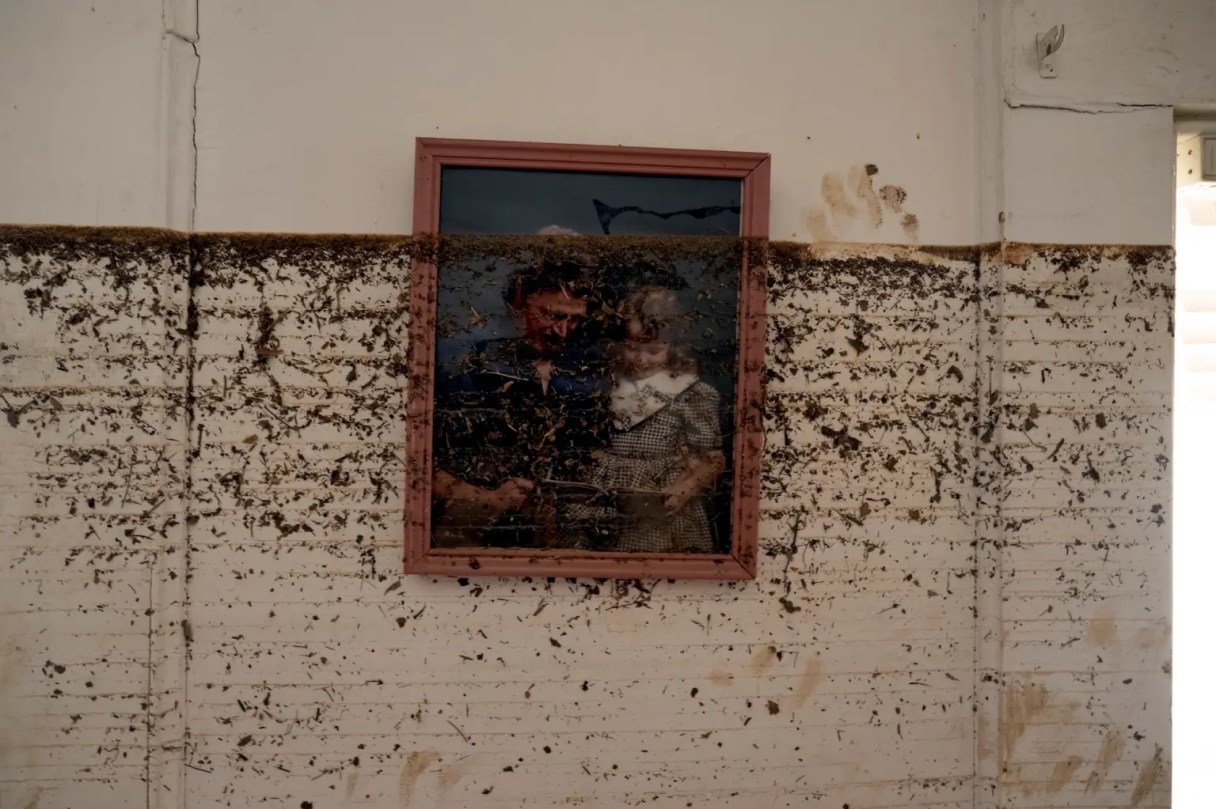
The infestation only got worse after Hurricane Helene. Rainwater rushed into her son’s third-floor bedroom at the Evergreen Ridge Apartments through gaps in the window frame, warping and discoloring the wall. After the 2024 storm, faint brown spots dotted the panes, and the trim appeared loose. When the AC went out last summer, she worried the mess would spread in the hot, humid air. Her son has had allergic reactions to mold before, including itchy eyes and coughing, and the threat of it happening again kept her up at night. She scrubbed the apartment weekly, only to watch the spores creep back. As a single mom who works long shifts as a nurse, she felt she couldn’t keep up with the creeping damage.
“My cabinets are falling apart,” she said. Regina, who asked that her real name not be used for fear of repercussions, walked through her bathroom, pointing out where the damp persisted. “You can touch it,” she said. “It falls apart. And that’s from water damage, obviously.”