
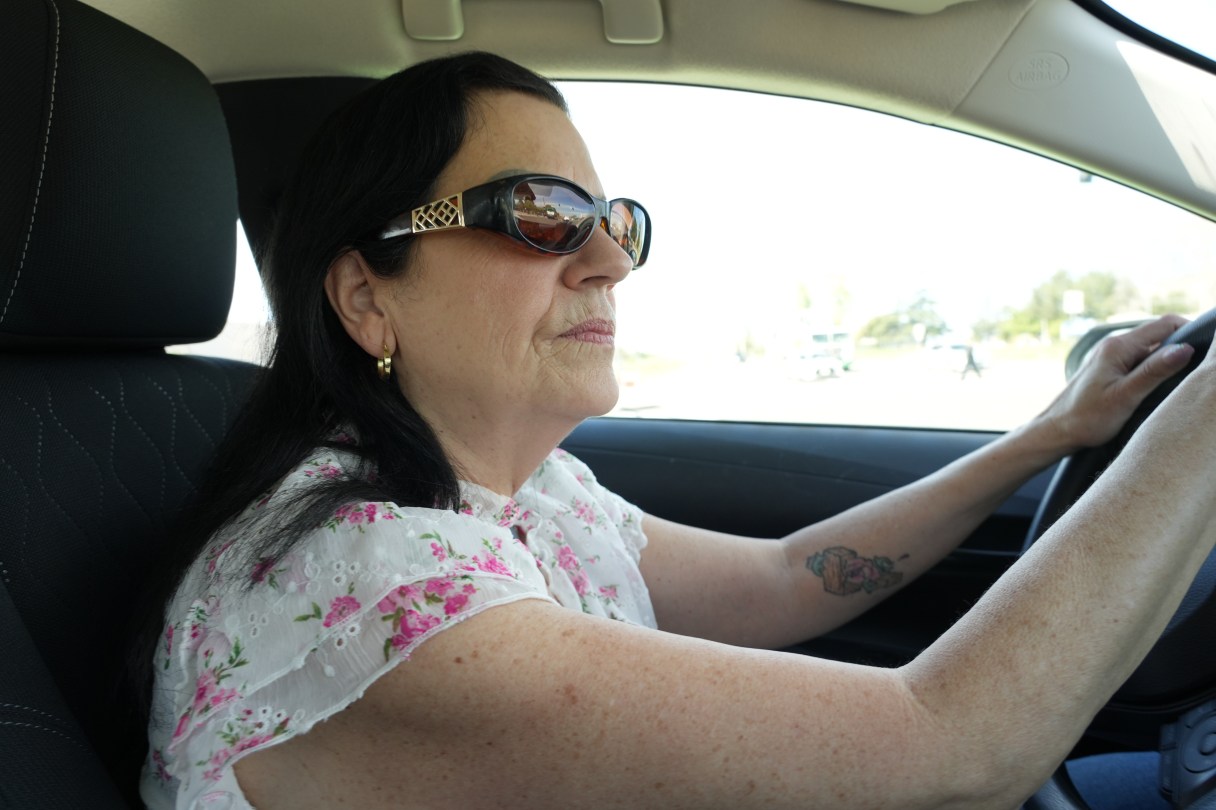
Leslie Sherman-Shafer, an Uber driver in the San Francisco Bay Area, likes to start each shift with a full tank of gas.
It used to cost her around $25 to fill up her Toyota Corolla. She’s spent closer to $40 since the Iran war began and pushed up the average U.S. price for a gallon of regular gasoline by $1. Sherman-Shafer, a retired dental office assistant who picks up Uber passengers five days a week, said she’s putting in extra hours to cover the difference.
“We don’t get reimbursed for gas. We rely on the generosity of the tip,” Sherman-Shafer said. Some passengers have tipped more to compensate for higher gas prices, but most don’t tip at all, she said.
Driving a car, van or truck is a big part of many Americans’ workdays. Nearly 27% of civilian workers cited driving as a physical demand of their jobs last year, according to the U.S. Bureau of Labor Statistics. Millions of drivers use personal vehicles for their work, from delivery and ride-share providers like Sherman-Shafer to self-employed electricians, nannies, home health care aides and real estate agents.
As the war enters a fifth week and continues to disrupt global oil supplies. many of those workers are now scrambling to make ends meet. The national average price for gas reached $3.99 per gallon on Monday, up 34% from a month earlier, according to AAA.