
Tuesday, November 17, 2026Nov 17

Free Press Opinion: The fallout of California’s minimum wage folly

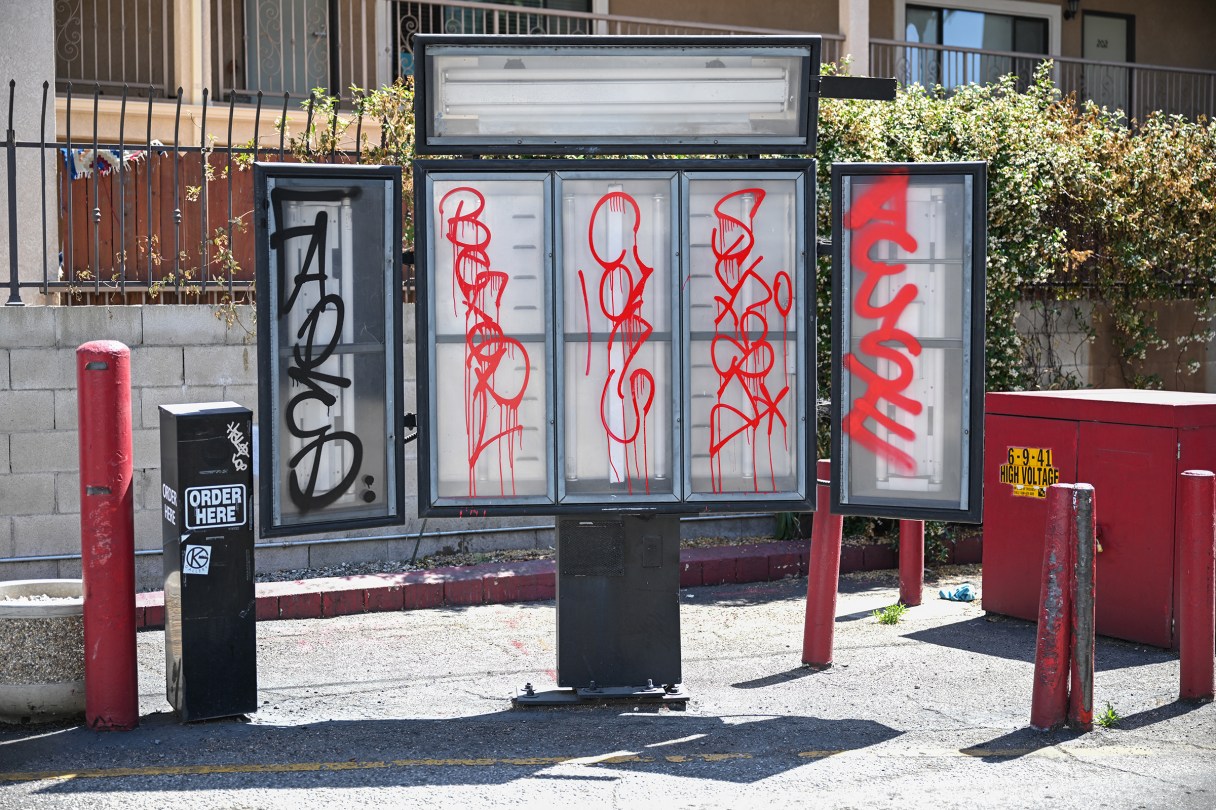
Photo by Patrick T. Fallon via AFP via Getty Images/TNS / An empty drive-thru menu display board stands outside of a closed Arby's restaurant and drive-thru in Hollywood, California on June 20, 2024. The Arby's franchise location owners decided to hang up its hat after being open for 55 years, closing due to economic conditions, including the end of the building lease, loss of foot traffic after the initial COVID-19 pandemic, remote office working, a changing neighborhood, inflation, rising food costs, required building upgrades, repairs and a rise in the minimum wage for California fast-food workers, according to the general manager and son-in-law of the original owner.

Some things in life are difficult. Predicting the negative consequences of exorbitant and rapid minimum wage hikes isn’t one of them.

In 2023, California Gov. Gavin Newsom signed a $20-an-hour minimum wage law for fast-food workers. It went into effect in April 2024. For all workers, the minimum wage in California is $16.90 an hour.

This reform hasn’t fixed California’s cost-of-living issues or kept people from fleeing.

A working paper from the University of California, Santa Cruz looked at the aftermath. The research, led by UC Santa Cruz economics lecturer Stephen Owen, found “many unintended consequences of this legislation.”

“The results indicate a plethora of negative outcomes such as higher menu prices for consumers, reductions in employee working hours, widespread elimination of overtime and loss of benefits for employees,” Mr. Owen and his team noted. “Further decreases in employee opportunities are being driven by automation and the adoption of labor replacement technologies is accelerating.”