
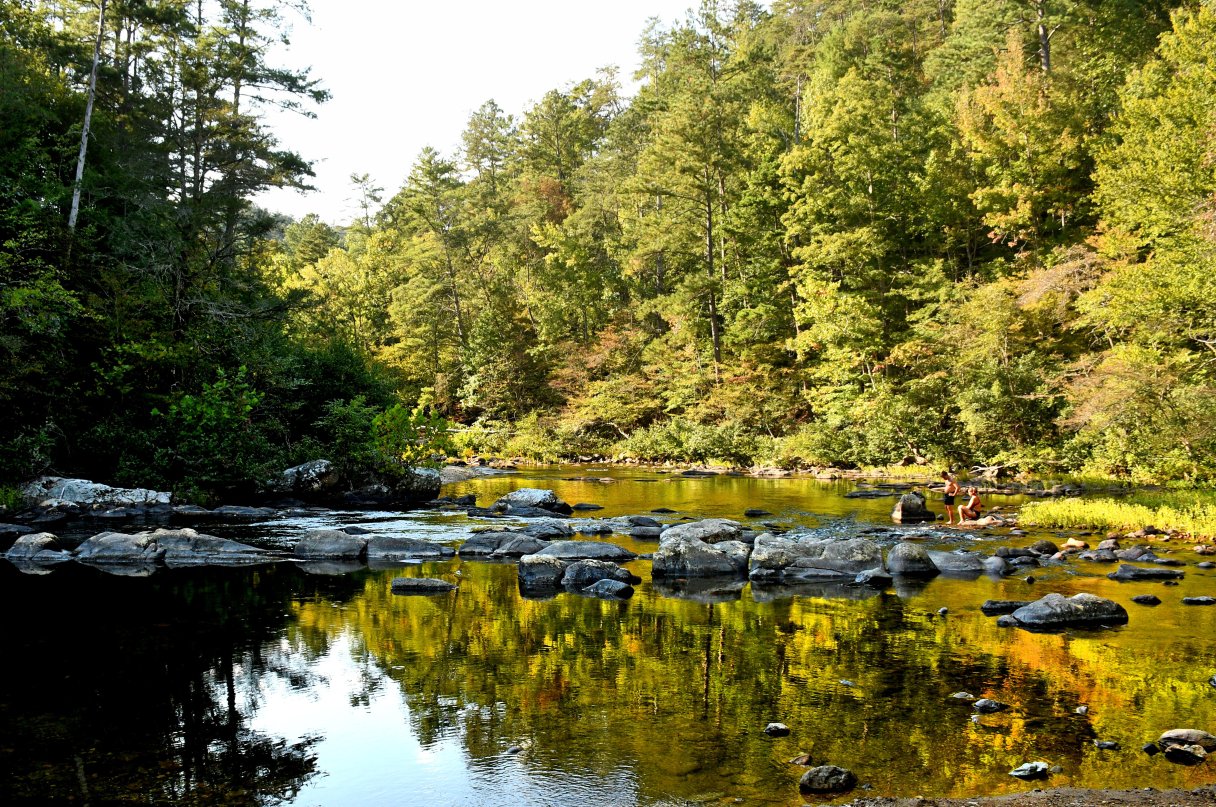
On a busy spring weekend in Tennessee, as families load kayaks, string up fly rods or set up tents in the Great Smoky Mountains National Park, most visitors aren’t thinking about aging road conditions and wastewater systems. Instead, they’re thinking about a quiet hike to a waterfall, beautiful views from a mountaintop or catching fish with their children.
As a business owner in Townsend, a gateway community to the park, my livelihood depends on visitors drawn to Tennessee’s public lands. When our parks and public lands are well maintained, local businesses like mine thrive, and Tennesseans benefit from a growing tourism economy.
But when park roads close unexpectedly or deteriorating infrastructure limits visitor access, our phones start ringing – and not in a good way. Trips to the mountains are postponed and seasonal employees lose work. All across Tennessee, from the Appalachian Trail to the Shiloh battlefield, the condition of our public lands directly affects small businesses like mine.
That’s why the bipartisan Great American Outdoors Act of 2020 was so important. It created the National Parks and Public Lands Legacy Restoration Fund (LRF), which provided dedicated funding for long-overdue maintenance within our federal lands. The fund expired last year, and Congress is considering the America the Beautiful Act to extend funding for eight years.
Here in Tennessee that investment has delivered real results.