
Saturday, November 14, 2026Nov 14

Free Press Opinion: How America drilled its way out of the oil-supply straitjacket

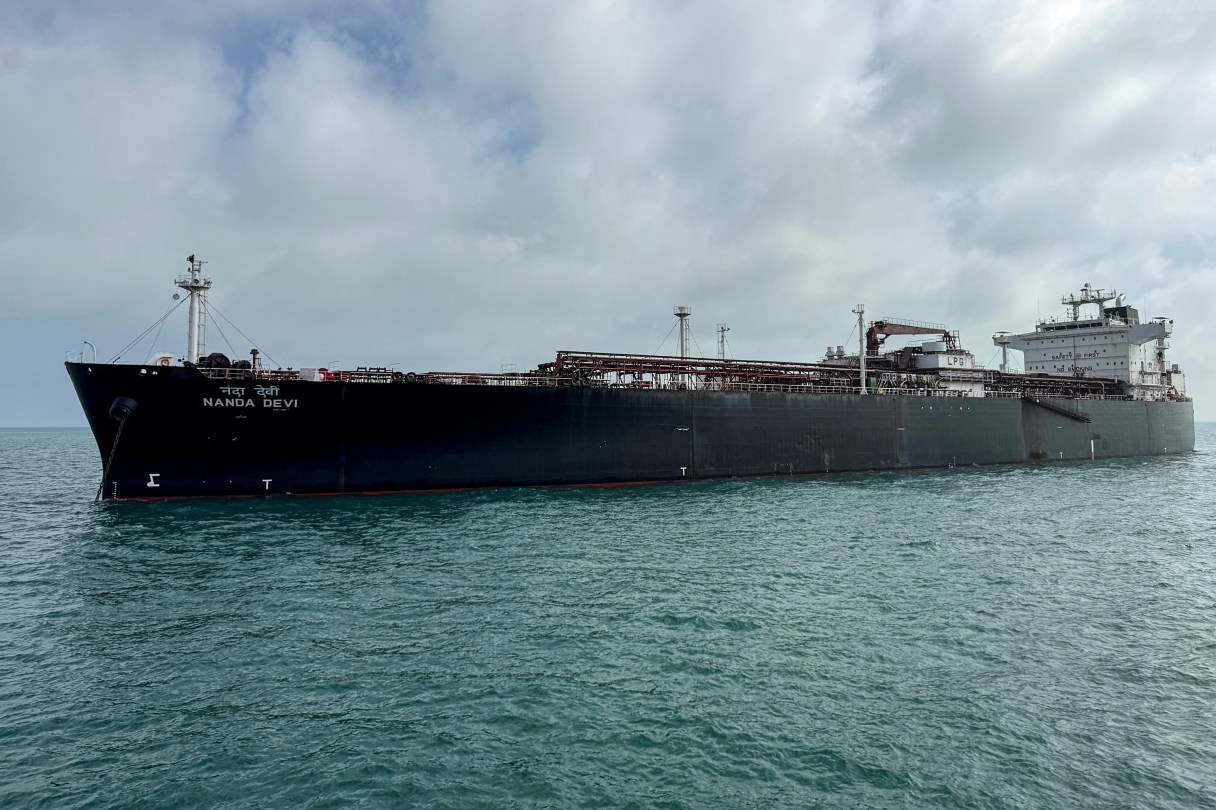
AFP via Getty Images/TNS / Indian vessel 'Nanda Devi' carrying liquefied petroleum gas (LPG) arrives at Vadinar Port in the Jamnagar district of Gujarat state on March 17, 2026, after Iran allowed it to pass through the Strait of Hormuz, a key energy corridor that remains disrupted by the Middle East war. Indian-flagged tankers 'Shivalik' and 'Nanda Devi', carrying around 92,700 metric tonnes of LPG, had reached ports in Gujarat state, marking a rare exception in commercial passage through the chokepoint.

Three weeks into the Iran War, the main impact so far has been oil prices. The dog that hasn’t barked is oil shortages.

While Chinese motorists were lining up for miles to fill up on gasoline, and Asia has been desperately scrambling to find supply, here in America there’s been nothing like the 1970s oil shortages.

And the reason is one of Trump’s top priorities: Drill Baby Drill.

As recently as 2006, America imported a net 13 million barrels of petroleum products per day — roughly two-thirds of what we used, and roughly one in every seven barrels exported in the world.

That’s now flipped to us exporting 2.5 million barrels a day, according to the U.S. Energy Information Agency — making America the biggest oil exporter in the world.