
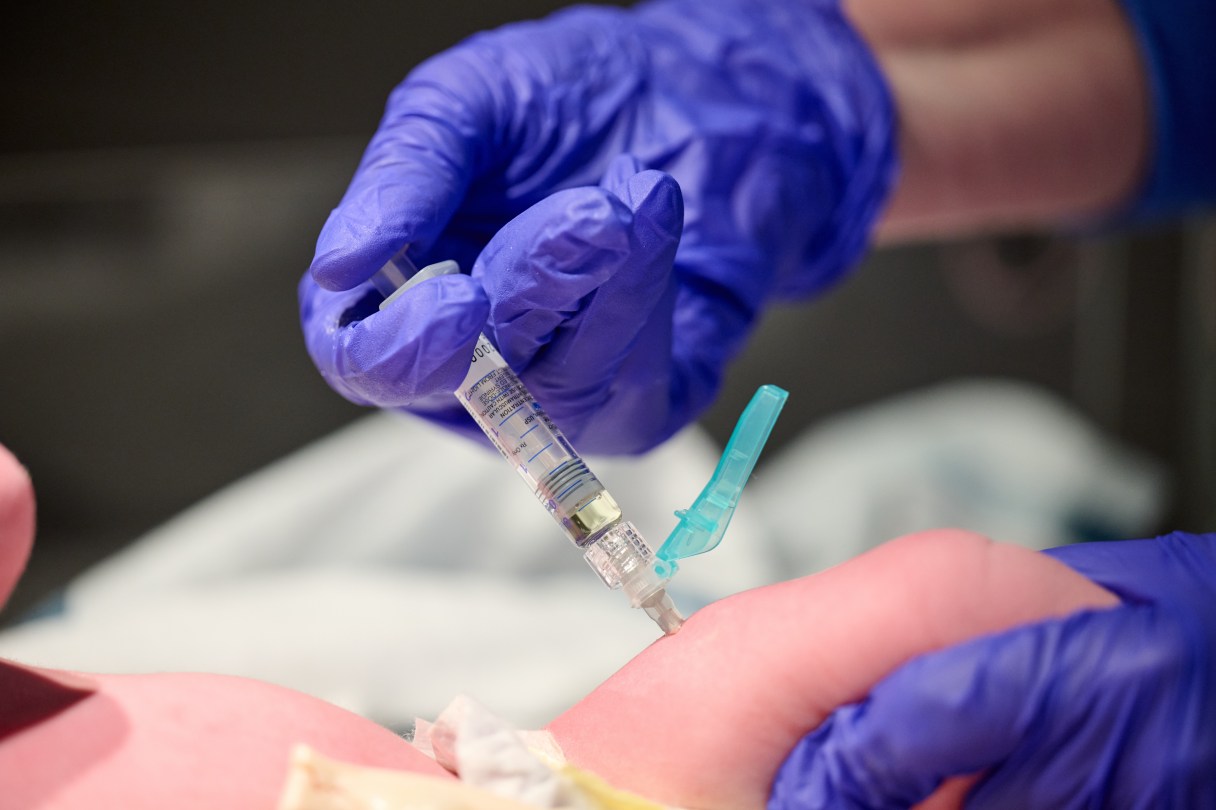
One day at an Idaho hospital, half the newborns Dr. Tom Patterson saw didn’t get the vitamin K shots that have been given to babies for decades to prevent potentially deadly bleeding. On another recent day, more than a quarter didn’t get the shot. Their parents wouldn’t allow it.
“When you look at a child who’s innocent and vulnerable — and a simple intervention that’s been done since 1961 is refused — knowing that baby’s going out into the world is super worrisome to me,” said Patterson, who’s been a pediatrician for nearly three decades.
Doctors across the nation are alarmed that skepticism fueled by rising anti-science sentiment and medical mistrust is increasingly reaching beyond vaccines to other proven, routine, preventive care for babies.
A recent study in the Journal of the American Medical Association, which analyzed more than 5 million births nationwide, found that refusals of vitamin K shots nearly doubled between 2017 and 2024, from 2.9% to 5.2%. Other research suggests that parents who decline vitamin K shots are much more likely to refuse getting their newborns the hepatitis B vaccine and an eye ointment to prevent potentially blinding infections. Rates for that vaccination at birth dropped in recent years, and doctors confirm that more parents are refusing the eye medication.
“I do think these families care deeply about their infants,” said Dr. Kelly Wade, a Philadelphia neonatologist. “But I hear from families that it’s hard to make decisions right now because they’re hearing conflicting information.”