
Senate Democrats are absolutely right in doing everything they can, including holding up funding for the Department of Homeland Security, to impose limits on behavior by U.S. Immigration and Customs Enforcement agents. But it is not enough. There also must be congressional action to address the inhumane conditions in ICE detention centers and the lack of protections for those facing deportation. The current law is grossly inadequate and many people will suffer as a result.
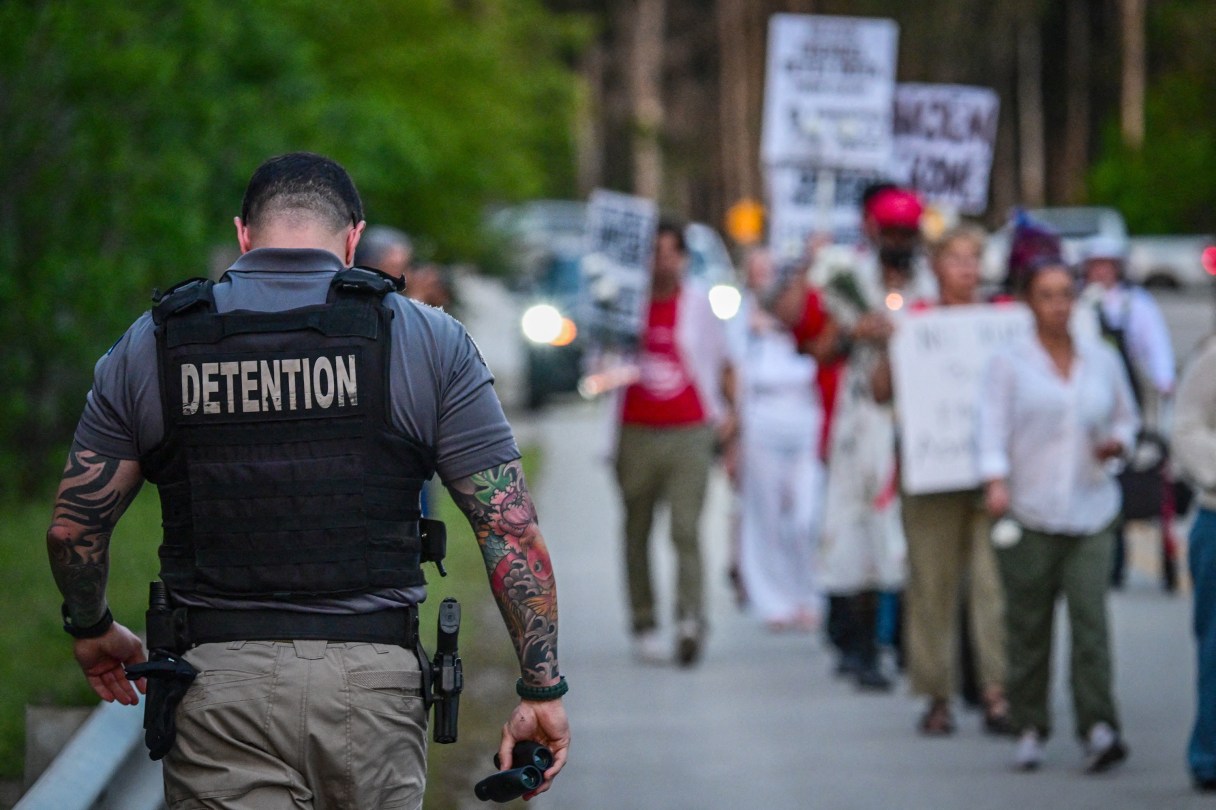
Since October, 23 people have died in ICE custody, already surpassing the total for the prior fiscal year and on pace to be the deadliest period in two decades. Detainees in ICE facilities report worms in their food, unsafe drinking water, overflowing sewage and weeks without medical attention. Under the Trump administration, ICE has dramatically increased its use of solitary confinement as punishment — isolating more than 10,500 people between April 2024 and May 2025 — some just for asking guards their names or for filing civil rights complaints.
If prisoners were treated this way in federal or state facilities, it would be acknowledged as cruel and unusual punishment in violation of the 8th Amendment. But those in immigration detention cannot invoke this constitutional protection because of the Supreme Court’s decision in Fong Yue Ting vs. United States (1893), where the court held that deportation is a civil, not criminal, proceeding and therefore is not punitive. As a result, the cruel and unusual punishment clause is not deemed to apply at all.
Constitutional protections also do not apply, including prohibiting unreasonable searches and seizures, providing a lawyer and requiring a jury trial. In INS vs. Mendoza-Lopez (1984), the court declared that, “Various protections that apply in the context of a criminal trial do not apply in a deportation hearing.”
Unlike criminal defendants, immigration detainees have no right to appointed counsel for their deportation proceedings. They must find and fund their own representation — a near-impossible task for someone being held in a remote detention facility, often far from their home community and sometimes without access to a phone.