
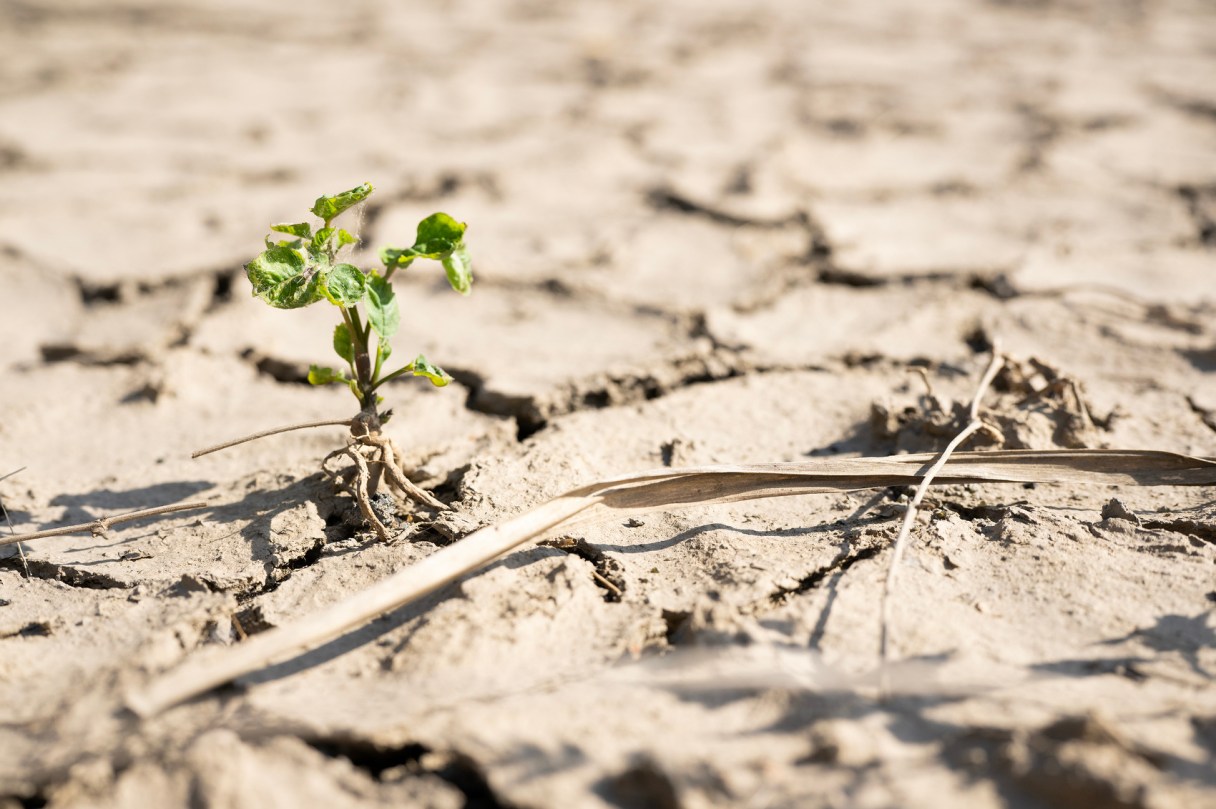

Southeast Tennessee, North Georgia and most of the rest of both states are in the grips of an ongoing severe to extreme drought, and the risk of wildfires will remain high until rains sweep through the area Saturday night.
In the Chattanooga region, the most recent U.S. Drought Monitor shows almost half of McMinn, Polk and Monroe counties in extreme drought, along with the northern half of Georgia from Walker to Rabun counties and much of Central Georgia.
Western North Carolina’s Cherokee, Graham and Swain counties along the state line are also in extreme drought, with many neighboring counties in the same category.
The monitor classifies conditions according to dryness, worsening across five levels from abnormally dry to moderate, severe, extreme and exceptional levels of drought. Polk County authorities and the U.S. Forest Service report firefighters are battling a 500-acre wildfire in the Cherokee National Forest.
A burn ban was issued Friday by the Chattanooga-Hamilton County Air Pollution Control Bureau to continue through Sunday, and the Tennessee Climate Office reports dry conditions are spreading across the state.