
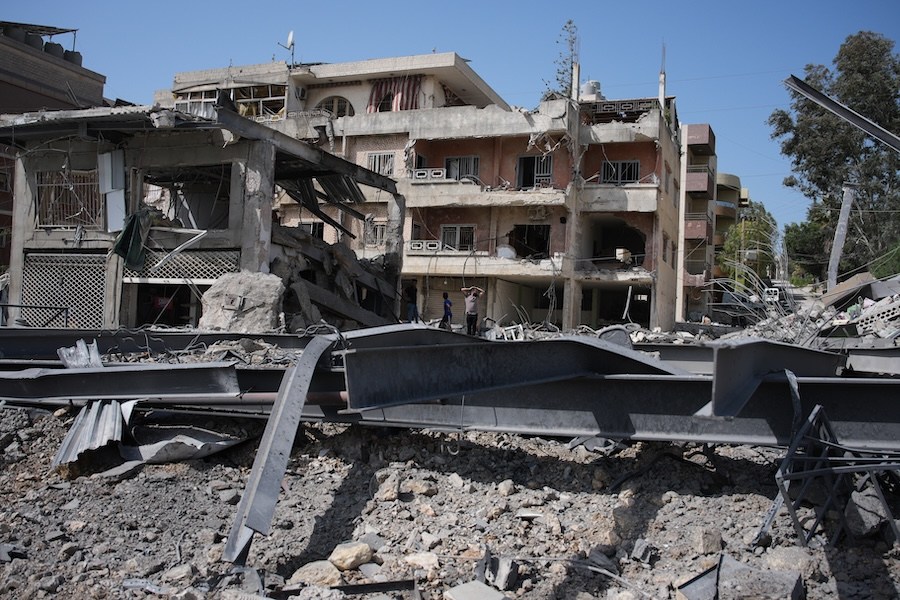
BEIRUT (AP) — A truce took hold Friday between Israel and Lebanon’s Hezbollah, providing relief on both sides of the border and an opening for Iran and the United States to reach a deal to end the wider war.
The ceasefire appears to have led Iran to reopen the Strait of Hormuz, easing the global energy crisis. But major obstacles remain, as Hezbollah has not formally agreed to the truce and wants Israel to withdraw. Israel says it is “not finished” dismantling the Iran-backed militant group and has announced plans to occupy a swath of southern Lebanon.
The 10-day truce appeared to be mostly holding on its first day, as thousands of Lebanese returned to their homes in the south. Hezbollah had launched missiles into Israel in early March, two days after the U.S. and Israel launched their war on Iran. Israel had responded with heavy bombardment and a ground invasion.
Here’s a look at the ceasefire deal.
The agreement says only Israel can act in self-defense