
George Washington made the office one of honor. Andrew Jackson, of democratic vigor. Abraham Lincoln brought heretofore unseen energy to the executive and Franklin Roosevelt put the office, and himself, at the center of Washington policymaking. Lyndon Johnson marked the White House with his domineering ambition and Richard Nixon did the same with his crushing paranoia.
We have had, depending on who held the office, aristocratic presidencies, participatory presidencies, plebiscitary presidencies and of course, imperial presidencies.
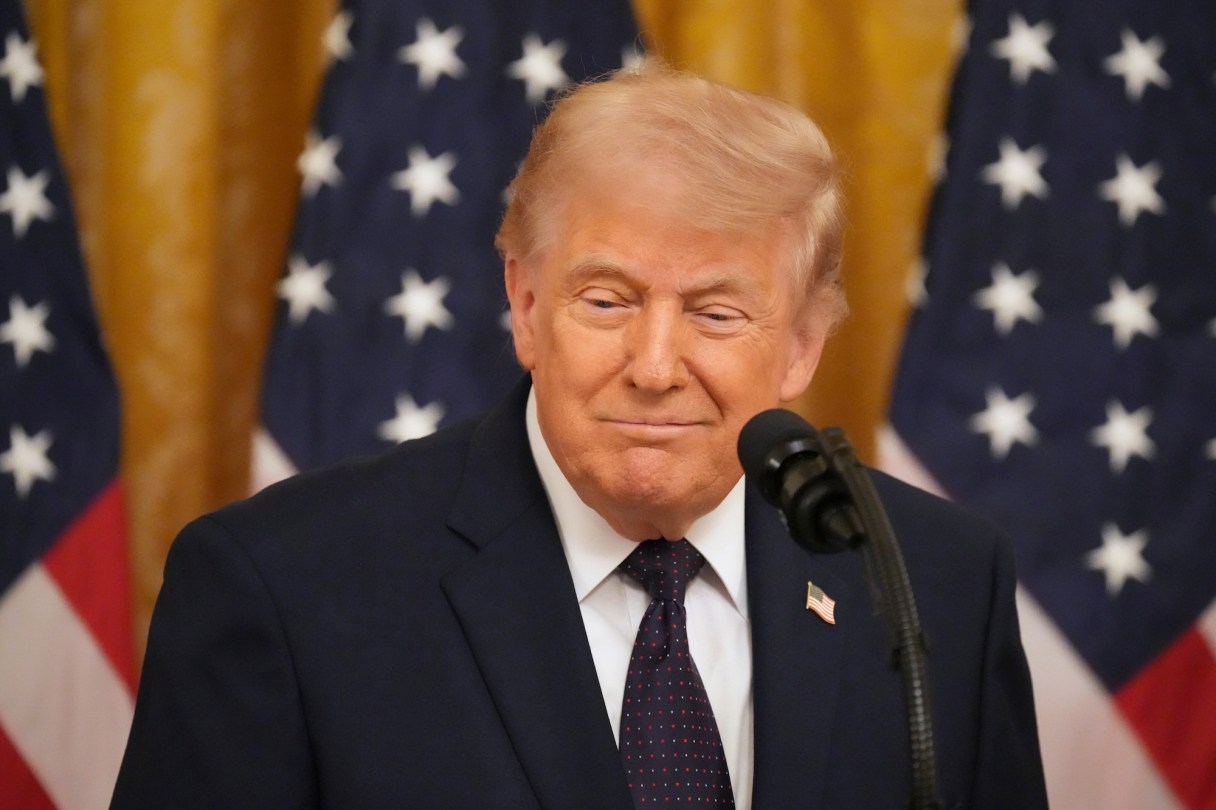
You know where this is going. Where does Donald Trump fit? How has he changed the presidency?
With his unilateral actions, authoritarian power grabs and strongman aspirations, we tend to think of Trump as the imperial president par excellence — the “unitary executive” made flesh. Inherent in this is a radical vision of the plebiscitary presidency: of the president as the sovereign embodiment of the people’s will, untethered by law and free to interpret and deploy the Constitution as he sees fit.
This reflects the personal imprint of President Trump as much as it does a generational effort by conservative legal elites to make each successive Republican president more powerful and less accountable than the last. Trump, remember, comes from the personalist world of the family firm, where his word is law. If our experiences build habits of mind that shape and define our response to new stimuli — and they do — then Trump was trained by life to be an autocrat.