
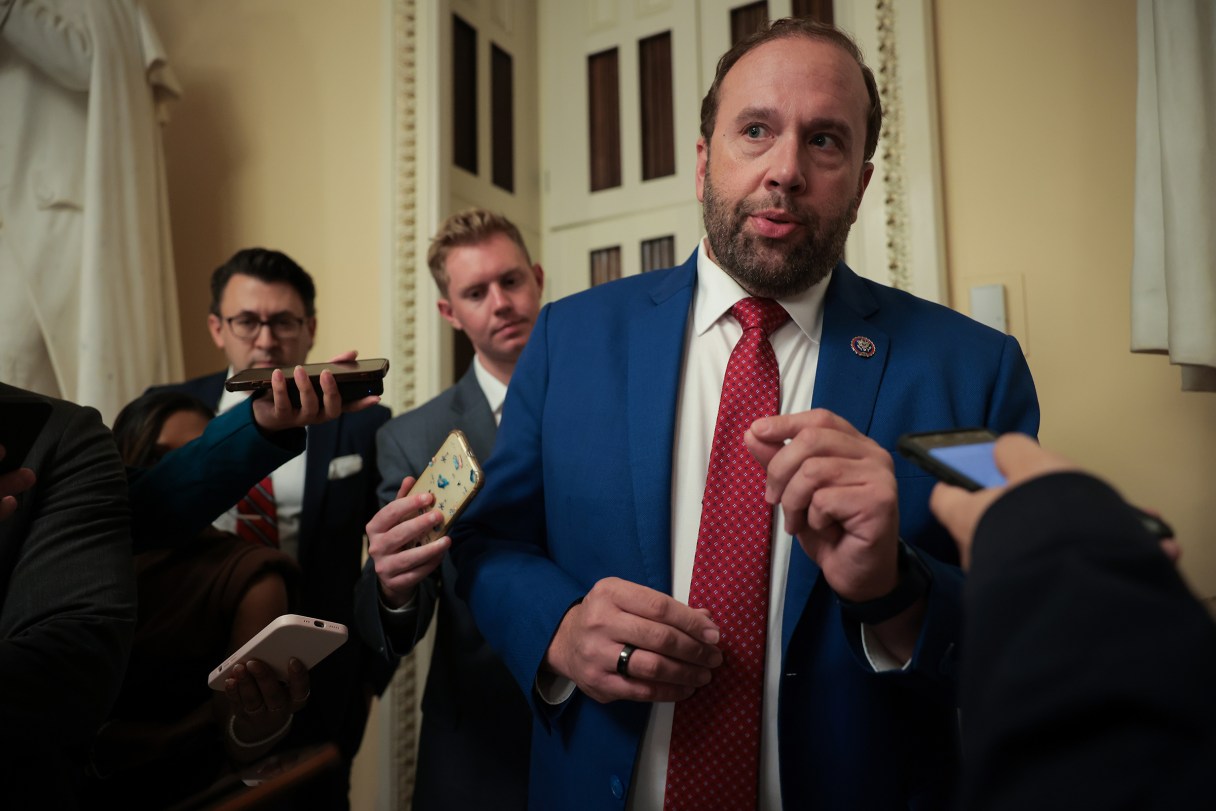
Earlier this spring, the House Ways and Means Committee confronted hospital CEOs with horror stories Americans know far too well. Chairman Jason Smith highlighted outrageous bills detached from reality, remarking that “patients [are] at the mercy of hospital empires.”
A family in California was charged $300,000 for a toddler’s snake bite. A man in Florida was billed $13,000 for an emergency CT scan. A hospital sued an Alabama woman for $37,000 — the full cost of an appendix procedure plus interest, even after she faithfully paid every bill that came to her over three years.
Smith is right: Big hospital billing practices aren’t working for patients or taxpayers.
Hospital care is the largest and fastest-growing component of U.S. health spending. Since 2000, hospital prices have risen three times faster than inflation and more than twice as fast as wages. Despite technological advances and economy-wide productivity gains, hospital care remains deeply inefficient and uncoordinated. Americans are delaying care, struggling with medical bills and facing rising premiums.
Government policy created this mess. Washington and state governments have long protected big hospital systems from competition, encouraged mergers and rewarded inefficiency. For hospitals, this “crony capitalism” means pricing power and market leverage. For patients, it means fewer choices and high costs.