A country with one of the fastest-rising scientific profiles operates under sweeping international sanctions, has limited access to Western research infrastructure and is rarely mentioned in American conversations about global innovation. That country is Iran.
Its rise, alongside China’s dominance in critical fields and India’s rapid scientific expansion, signals something Washington has been slow to recognize: The global map of science and engineering is being redrawn, and the United States is not driving that change.
For decades, scientific leadership was concentrated in a small group of nations, reinforcing assumptions about where innovation would originate. Those no longer hold. The capacity to produce consequential research is increasingly driven by a growing number of competing centers of scientific and technological strength.
The U.S. remains the world’s leading research power and continues to dominate medicine, life sciences and biology based on analyses of research output, effects and quality. But that leadership is no longer as singular as it once was. China now leads globally in several critical fields, including engineering, the physical sciences and agriculture.
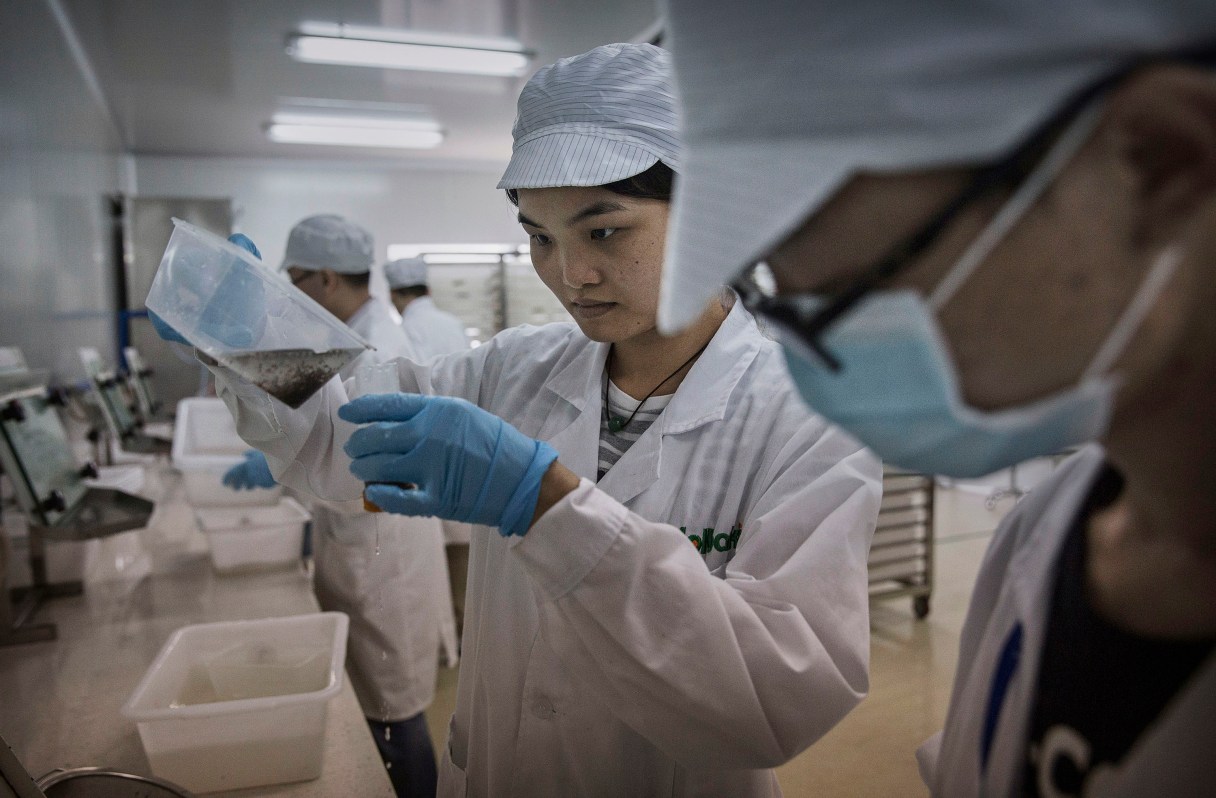
Perhaps most surprisingly, Iran has advanced sharply across engineering, agriculture and public health.
Data from the U.S. National Science Foundation and the Australian Strategic Policy Institute point to the same trend: The race for scientific leadership is widening and accelerating. What is emerging is a reordering of global scientific capacity, with direct implications for American competitiveness, technological leadership and national security.
These shifts are not random. They reflect a restructuring in how nations build scientific capacity through sustained and targeted investment in education and research and deeper integration into global research networks.
In the U.S., political targeting of major research universities and federal research agencies, including the National Institutes of Health and the National Science Foundation, combined with sweeping funding cuts and deepening uncertainty across higher education, threatens to hollow out the very foundations of American research leadership. The timing could hardly be worse.
As global competition for scientific talent and technological dominance intensifies, the U.S. risks driving away the world’s brightest minds. America stands to forfeit its hard-won advantages, which took generations to build and cannot be quickly rebuilt once lost.
Iran offers one of the clearest examples of how the scientific world is being reordered.
Decades of investment in higher education have produced a large and technically trained population. Iran has expanded its academic system dramatically, from roughly 20 universities before the 1979 revolution to more than 600 today, alongside thousands of additional higher education and research institutes. Student enrollment has grown from about 150,000 to nearly 4 million, according to data from UNESCO and the World Bank, creating one of the largest pipelines of technically trained graduates in the world.
The expansion of higher education among women has also played a critical role. Women now constitute a majority of university students in Iran and have substantial representation across scientific and technical fields, significantly expanding the country’s potential research capacity. In the United States, by contrast, women remain underrepresented in several STEM fields, particularly engineering, computer science and the physical sciences.
Sanctions have also had an unintended effect in Iran. By limiting access to imported technology and external funding, they have made domestic research capacity a necessity. In some areas, constraint has accelerated local innovation.
International collaboration has proven resilient. Iranian researchers continue to co-author with colleagues abroad, particularly in China and, to a lesser extent, Russia. Connections to the United States persist, often through diaspora networks. Scientific collaboration appears harder to constrain than trade.
Iran is not an outlier. Similar patterns are emerging across other rising research nations, where scale, incentives and strategic focus are accelerating scientific output and global influence.
For U.S. policymakers and other established research leaders, the message is clear: Scientific leadership can no longer be treated as a secure legacy advantage. The question is not whether recent shifts will continue, but whether today’s leading nations are prepared to respond with urgency, strategy and clarity.
For the United States, that means strengthening long-term federal support for scientific research, protecting the independence and global competitiveness of American universities, investing in STEM education and talent development, and preserving the country’s ability to attract leading researchers and innovators.
Failure to do so risks not only diminishing America’s scientific leadership, but also weakening its long-term economic competitiveness, technological influence and national security in an increasingly innovation-driven world.
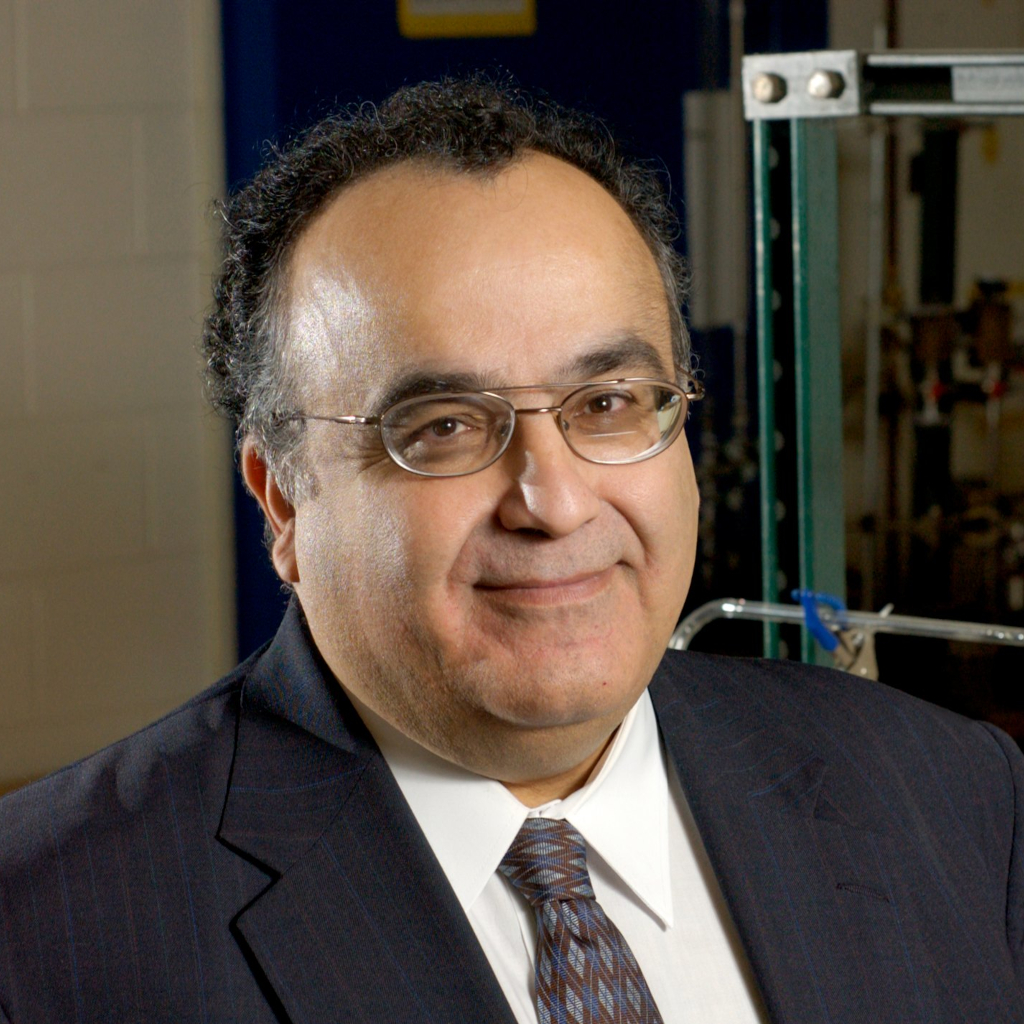
Amir Faghri is an adjunct professor at UCLA and dean emeritus of engineering at the University of Connecticut. He is the founder and chief executive of ScholarGPS.
LOS ANGELES TIMES