
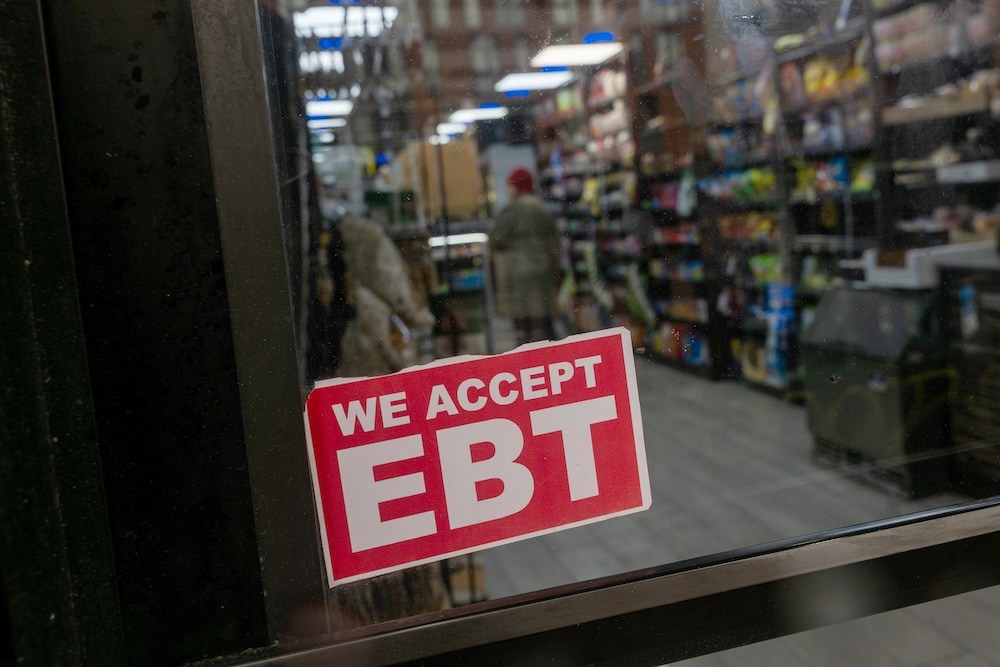
Upcoming funding shifts in the federal food stamp program are poised to cost states billions of dollars, heightening fears that more Americans will lose access to the nation’s largest food assistance program.
Last year’s One Big Beautiful Bill Act made major changes to the Supplemental Nutritional Assistance Program, or SNAP, including new eligibility and work requirements. Already, more than 4 million Americans have lost SNAP benefits, putting more pressure on food banks and food pantries across the country.
But beginning in fall 2027, states for the first time must begin to fund some SNAP benefits themselves. Analyses of newly released data from the U.S. Department of Agriculture show states could be on the hook for more than $9 billion. Some states, county officials and advocates fear this will remove more Americans from the safety net program and even push some states to consider dropping out of SNAP altogether.
The new law will penalize states depending on their payment error rates — a technical calculation by the feds of SNAP overpayments and underpayments, not fraud. States with a payment error rate above 6% will have to fund 5% to 15% of their benefit payments. Previously, the feds provided the aid.
In USDA’s most recent analysis, the error rate slightly improved across the states in fiscal year 2025, but officials said states still made a collective $10.1 billion in improper payments.