


Most Americans’ knowledge of the beef industry is limited to the fact that beef prices at restaurants and local supermarkets are higher than ever.
The composite all-fresh retail price of beef was a record $9.72 per pound in the third quarter of 2026, after posting a new record high each quarter since the third quarter of 2023, according to the most recent data from the federal Department of Agriculture’s Economic Research Service.
Demand for beef remains high despite the high prices, which are partially due to the low supply of cattle in the U.S.
Chattanooga contractor builds premier Brangus cattle farm in Northeast Alabama
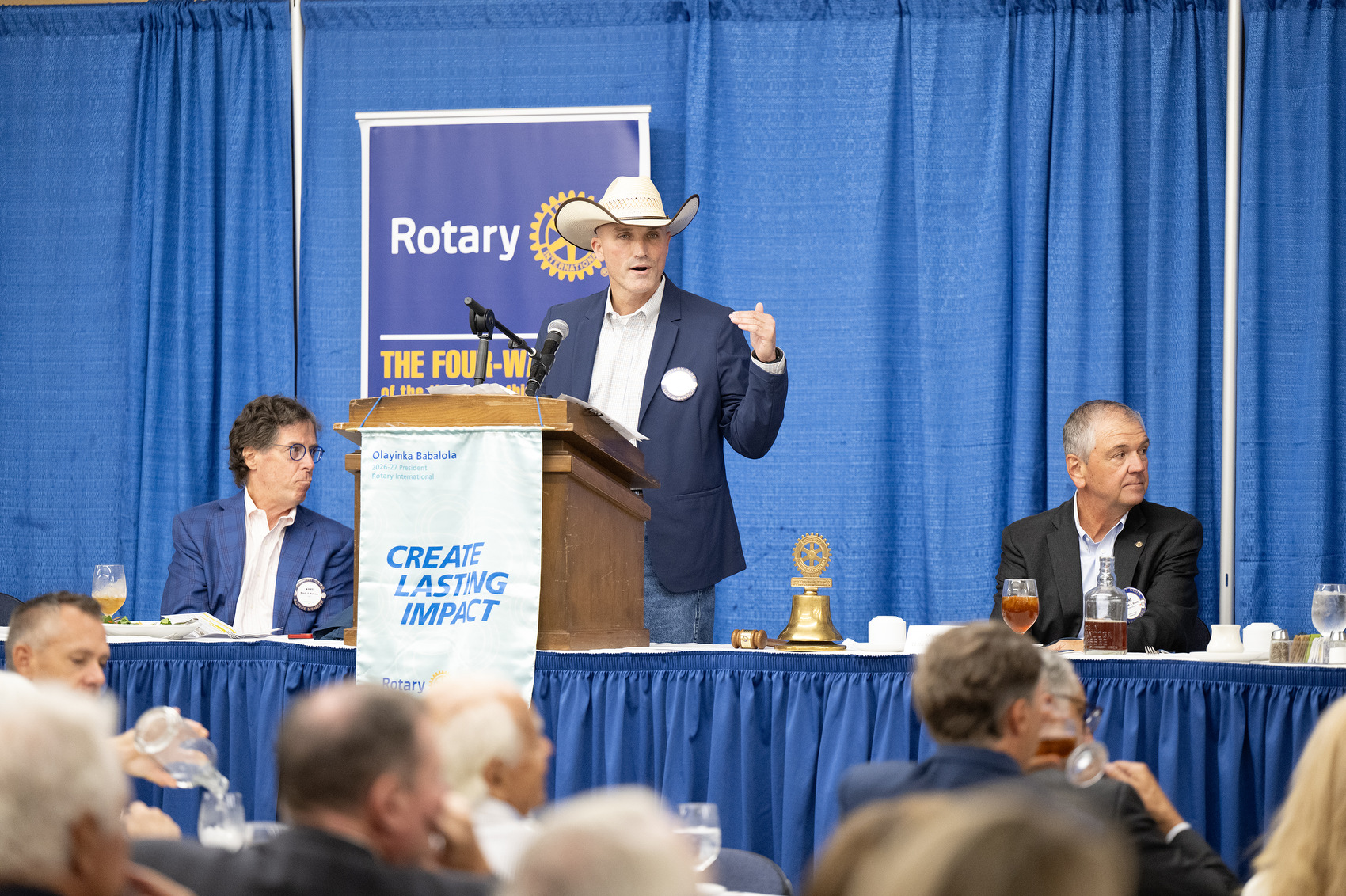

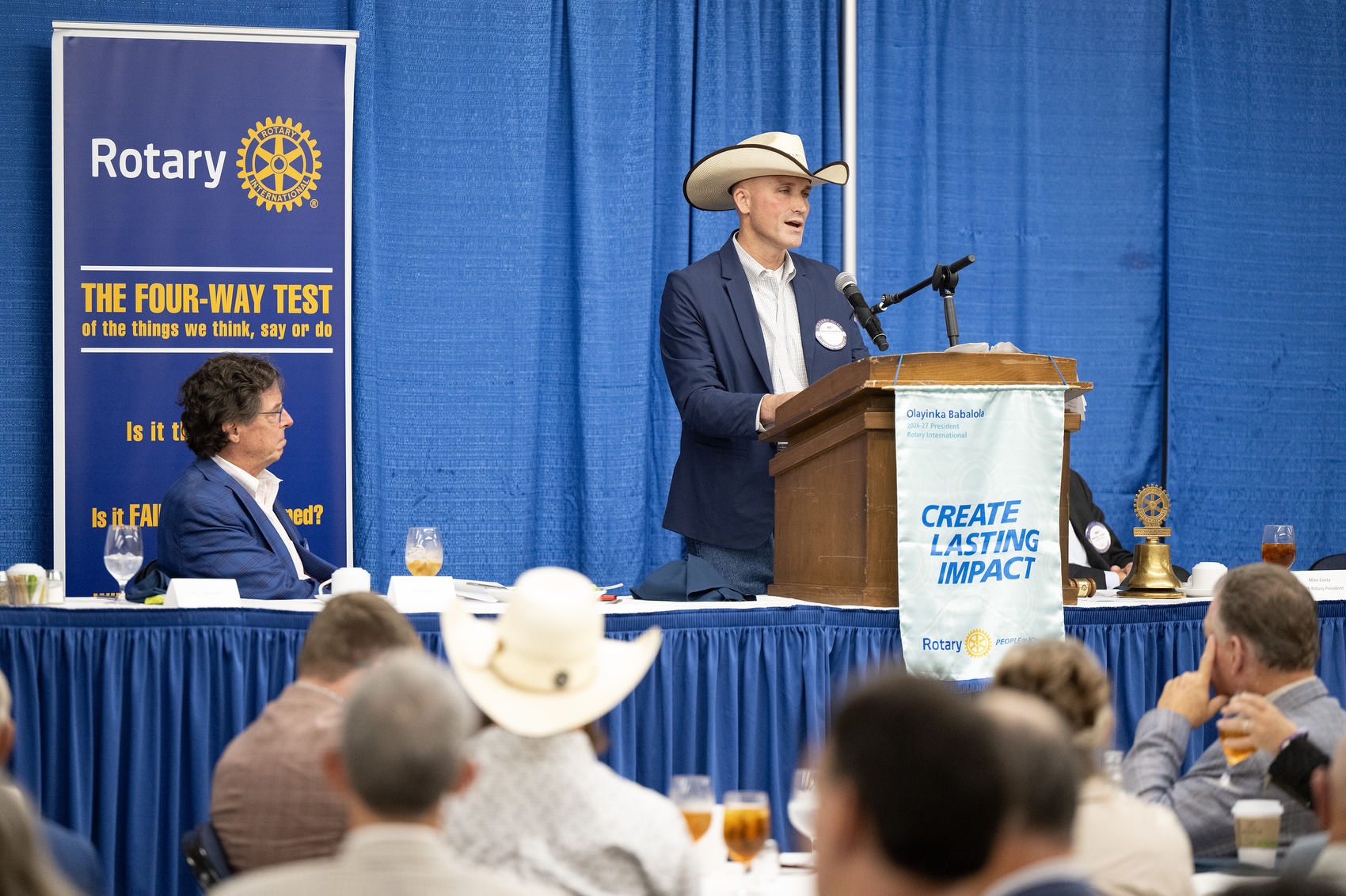

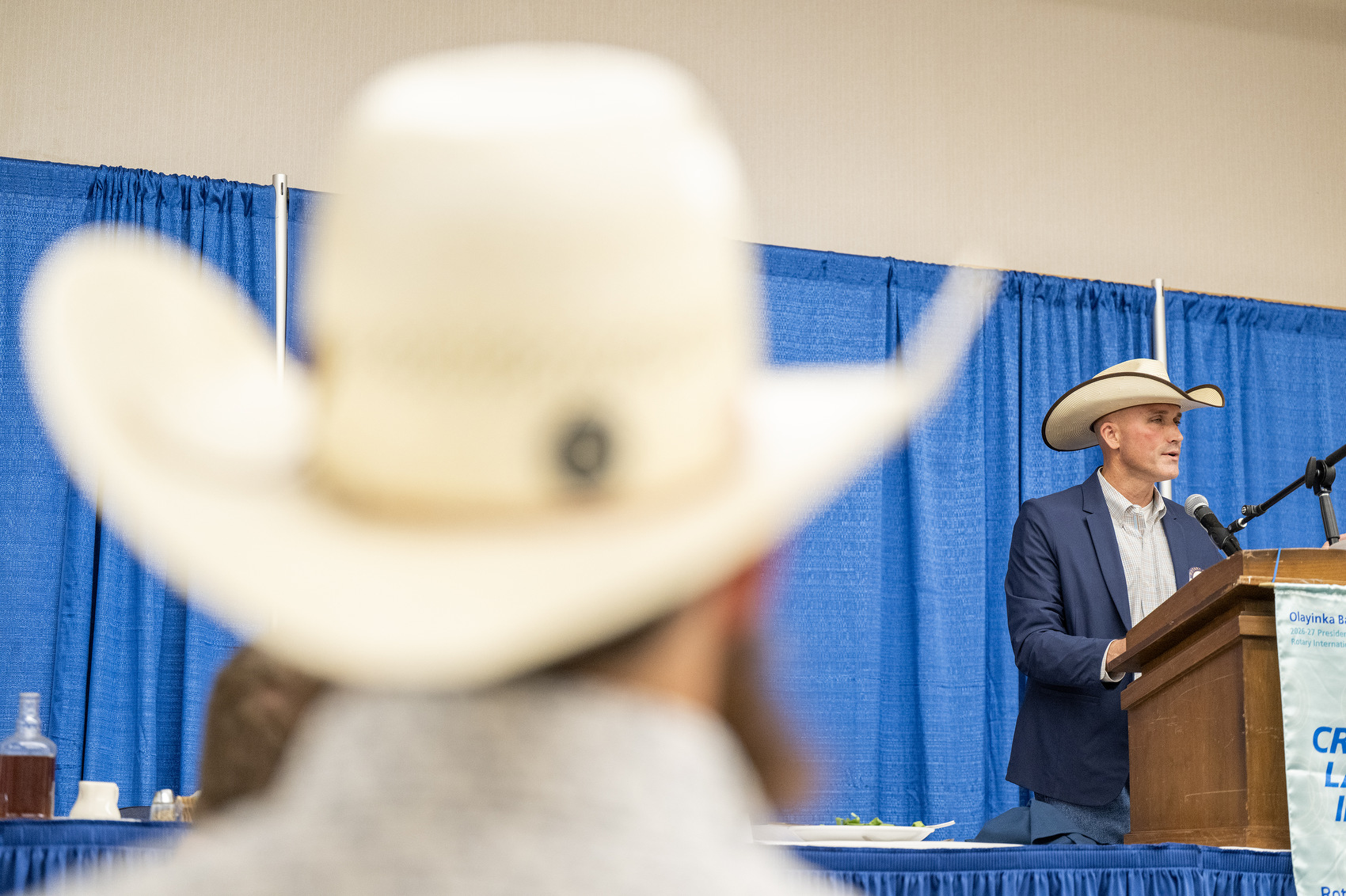
Domestic cowherd numbers have reduced drastically over the past 45 years, Nic Cornelison, a local contractor and Brangus cattle farmer and breeder, said Thursday at a Chattanooga Rotary Club meeting.
Along with serving as president of Chattanooga-based commercial general contractor P&C Construction, Cornelison manages Lake Majestik, a 5,000-acre farm in Northeast Alabama with 1,800 heads of Brangus cattle.
(READ MORE: P&C Construction leaders mark 25 years)
“That puts them in the top 10 international breeders for that type of cattle,” Kurt Faires, vice president of the Chattanooga Rotary Club, said when introducing Cornelison. “It’s huge business.”
Main beef breeds found in the U.S.
Angus: Hornless and hardy with solid red or white coat; known for superior meat marbling producing tender and juicy beef.
Brahman: Known for their distinctive humps, floppy ears and loose skin, which makes them especially tolerant to heat. Mothers are protective and produce high-weight calves.
Brangus: A composite breed of Angus and Brahman. Traits include high fertility, high-weight calves, strong maternal qualities and hardiness in most climates.
Charolais: Large and heavily muscled with white or cream coats; known for rapid growth and high meat yield.
Hereford: Deep red body with white face, chest and underline; known as hardy, gentle and efficient at converting grass to high-quality beef.
Simmental: Red and white or gold and white spotted coat with white head; known for high milk and meat production.
Source: Nic Cornelison; Lake Majestik Farms; Oklahoma State University Department of Animal and Food Sciences
On the first day of this year, U.S. producers had 86.2 million head of cattle, the lowest number since 1951, according to data from the USDA.
The number of cattle farmers in America today is less than 5% to 7% of what it was 40 years ago, Cornelison said.
“Frankly, because today they’re bringing a fortune, people are moving away from farms,” said Cornelison, whose great-grandfather once worked the land in Flat Rock, Alabama, where Lake Majestik Farm now operates. “They don’t want to do that. It’s lots of work and risk with very little reward.”
The reduction in cattle inventory is driven by a variety of factors, including drought, high market prices and farmers choosing to slaughter heifers rather than retain them, Cornelison said.
While the cowherd population is decreasing, the number of pounds of beef produced has increased due to genetic advancements, he said.
“We are better at managing feed efficiency, and total herd health has improved drastically,” Cornelison said.
He is also a founding member of Geneplus Brangus, a marketing company focused on Brangus and Ultraback cattle and genetics.
Brangus is a composite breed of cattle — five-eighths Angus and three-eighths Brahman. The Angus breed is known for its superior beef qualities, and Brahman cattle are prized for their survivability, he said.
“They’re great mothers, but they will kill you because they’re dead serious,” Cornelison said of the Brahman breed.
In addition to Brangus, Cornelison is also a top international breeder of Ultrablack cattle, a composite breed of Angus and Brangus.
He emphasized the importance of crossbreeding for efficiency and the strict culling practices at Lake Majestik farms.
“We literally cut their nuts off if they don’t meet the ground,” Cornelison said. “There’s no forgiveness. You either make it or you don’t.”
His operations have a global reach, including the international export of embryos and thousands of units of bull semen for artificial insemination.
Six or seven years ago, Cornelison sold Brangus embryos to the Thai government, and officials told him they planned to put them in water buffalo.
“I was like, ‘What? How is that going to work?'” Cornelison said.
Farm-fresh beef from Lake Majestik Farm can be found in restaurants around Chattanooga, and it can also be purchased from a cooler at the P&C Construction office at 1037 W. Main St. or by contacting the farm at 256-242-3124.
Contact business reporter Emily Crisman at ecrisman@timesfreepress.com or 423-757-6508.