
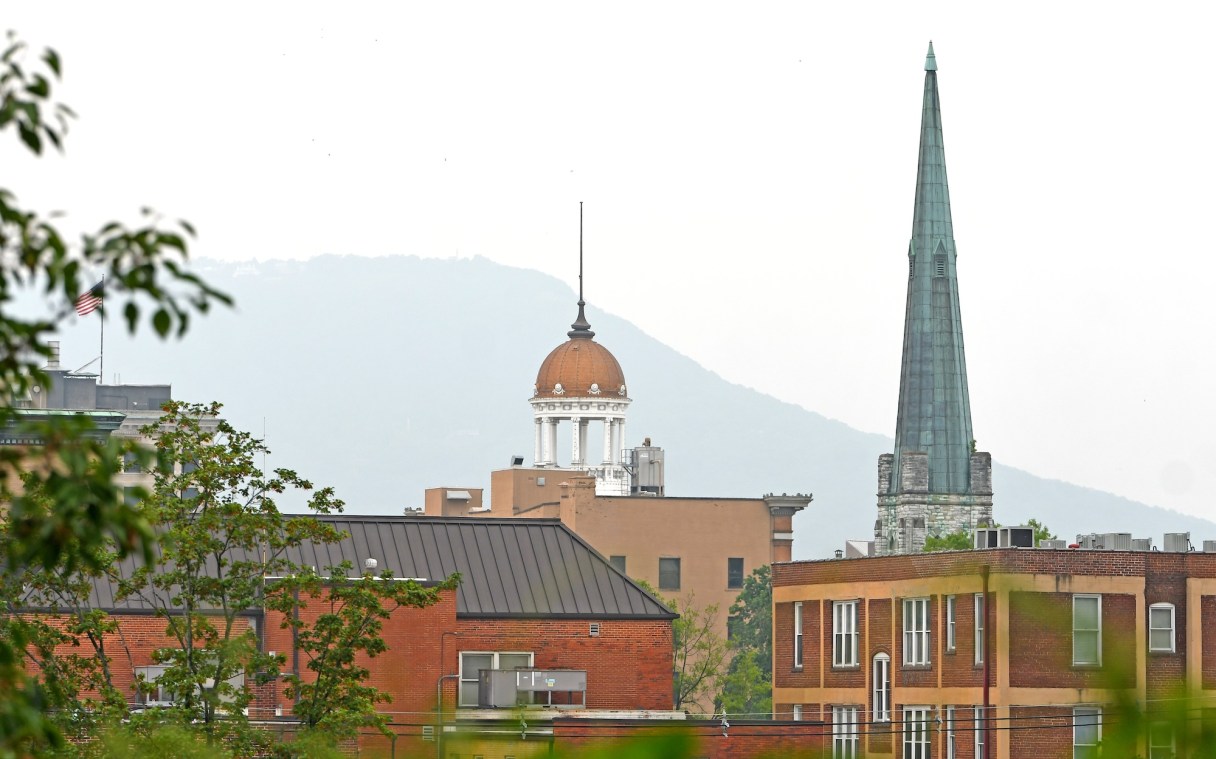
When I saw that a public workshop was offered at the downtown public library featuring Preserve Chattanooga, I knew where I’d be that afternoon. The mission of Preserve is to protect the architectural heritage of Chattanooga through preservation, education and advocacy. That’s a dream of any urban planner, which I was decades ago in Chicago. I designed my master’s degree in urban planning to focus on arts and culture and got involved in Chicago’s museums and historic architecture.
How exciting to hear about developing an historic preservation plan for our city! Chattanooga’s last plan was formed back in 1977. It’s time to build consensus, advocate public policies, secure funding and enhance lives with a new plan. The session began with Phil Walker outlining the process of our discussion and the plan formation. Phil heads The Walker Collaboration, which focuses on developing collective visions for urban planning, historic preservation and revitalizing neighborhoods.
Prefacing the discussion was Phil Thomason, an expert in preservation. He reviewed Chattanooga’s historic themes: Native Americans and the Trail of Tears, railroads during the Civil War and part of our industry hub post-war. Later, Chattanooga’s African American community was a hub of civil rights activism. Phil explained that over time, many neighborhoods were annexed into the city and are now protected local historic districts, including Fort Wood and St. Elmo.
In recent years, there has been growth in restorations, especially in Moccasin Bend and Civil War sites. But while we hear stories about their existing preservation programs and policies, unprotected historic structures are often being demolished.
That’s when we heard about applications for certificates of appropriateness for historic preservation. These permits are required before exterior changes, additions or new construction in a designated historic district. I had no idea that you can, and should, apply for the permit by submitting project descriptions, materials and site plans to your local Historic Preservation Commission or city planning department.
Unfortunately, there is a general lack of knowledge about certificates of appropriateness and little engagement around historic preservation. The disinterest was highlighted in a survey with results showing a lack of public action for preservation. Given the growth and development pressures, as well as park disengagement at the federal level, we need more activists.
The workshop suggested several practical applications — like requiring real estate projects to include historic issues; creating new historic districts and expanding current ones; more architectural resources for preservation; embedding historic zoning within the criteria for rezoning projects; and using less restrictive conservation zoning types instead of historic zoning for more public engagement.
These issues are vital to preserving Chattanooga’s history. But outreach to the public is as important. We must educate folks, make them aware and engaged. This education is undertaken by organizations like our National Park Partners.
Stories are an impactful element of this education that can involve us all. Even familiar ones are worth repeating. Take the stories in the Scenic City magazine’s blog: “Hidden in Plain Sight: Chattanooga’s History is Everywhere.” I will always remember the story of how my Mizpah Congregation synagogue became a state historical preservation site in 1979. My engagement is guaranteed!
I’ve been inspired to write stories by a Mizpah founding family member, Ruth Holmberg, who made history as editor of The Chattanooga Times from 1964 to 1992. In Ruth’s honor, I often engage us in history through the stories in these opinion columns.
You probably have stories, too. Share them, engage and motivate us to preserve our history.
Contact Deborah Levine, an author, trainer/coach and editor of the American Diversity Report, at Deborah@AmericanDiversityReport.com.