
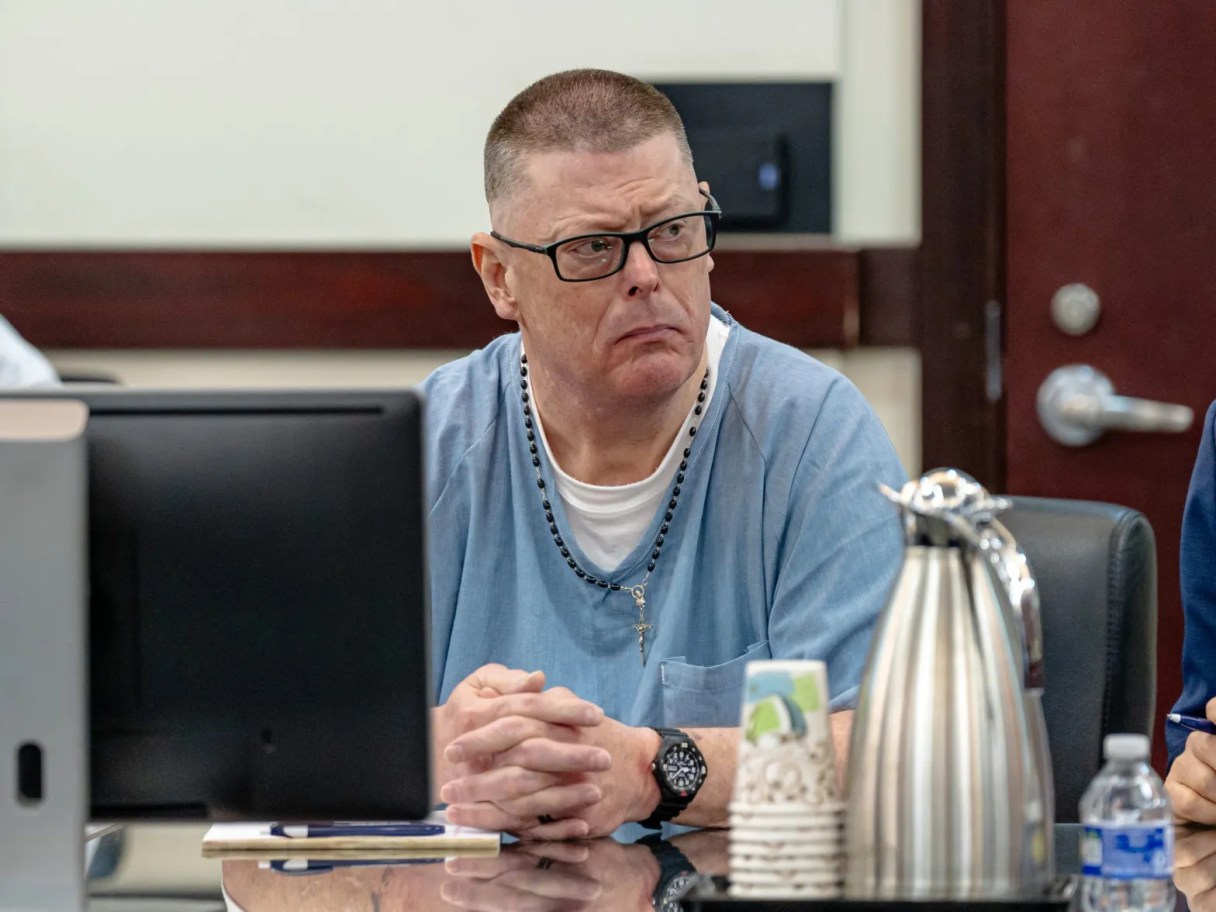
After a medical examiner recanted his sworn testimony that her son Bryan Alexander was shaken to death and a recent Tennessee Supreme Court order, Kaye Maze is seeking a legal order asking Judge Steve Dozier to correct their original convictions and hold a new trial.
The cases of Mazes and her husband, Russell Maze, have been escalating through the Tennessee Court system for the past several years. Russell Maze has twice been convicted of abusing and causing the injuries that ultimately killed his infant son, whom he and his wife called “Baby Alex,” after the child stopped breathing and was taken to the emergency room in 1999. Alex died six months later, after he was found unresponsive at daycare and rushed to the hospital.
In December 2023, the Davidson County District Attorney’s Conviction Review Unit asked Dozier’s trial court to vacate both Mazes’ convictions. Nashville District Attorney Glenn Funk wrote at the time, “This Office knows of clear and convincing evidence establishing Ms. Maze and Mr. Maze were both convicted of crimes they did not commit.” In a March 2024 hearing, after testimony from several medical experts who testified that Alex likely died due to a birth defect, Dozier declined to change his ruling.
“The Court cannot conclude that Petitioner has established by clear and convincing evidence that ‘no jury would have convicted him in light of the new evidence’ presented at this post-conviction hearing,” Dozier wrote in his opinion.
In September 2024, medical examiner Dr. Bruce Levy, who examined Alex in 2000, took the remarkable step of recanting his testimony. “If called to testify now,” he wrote in an affidavit, “I would assert Bryan Maze’s brain, at the time of his death, showed no indication, to a reasonable degree of medical certainty, of prior trauma or abuse. Instead, the residual brain lesions viewed at autopsy more likely than not resulted from a natural disease process.”