
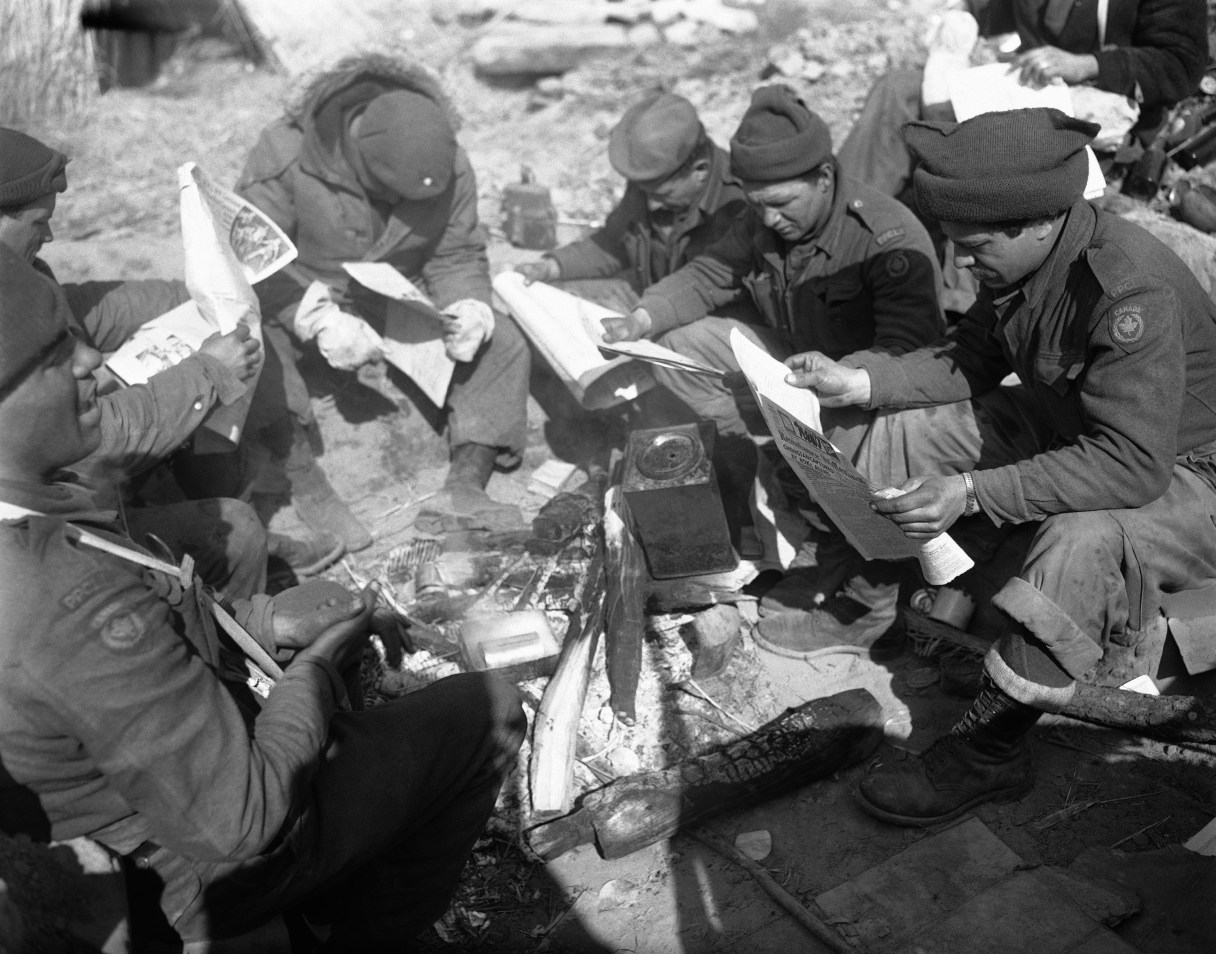
Dwight D. Eisenhower and Pete Hegseth, it appears, would not have gotten along well. They almost certainly would have disagreed on one particular military matter — the editorial independence of the venerable Star and Stripes newspaper.
As the Foundation for Individual Rights and Expression and others have recounted in recent days, the latest round of turmoil at the government-funded military newspaper is reminiscent of a standoff during World War II between Supreme Allied Commander Eisenhower and his subordinate, Gen. George Patton.
Patton, the story goes, was incensed by the disheveled, wiseacre soldiers in Bill Mauldin’s popular “Willie and Joe” comic strip in Star and Stripes. Mauldin’s chief offense was poking fun at the general’s crackdown on frontline soldiers with facial hair, or “beardos,” as Hegseth calls them today.
Eisenhower told Patton to leave Mauldin alone, and the battle was over. But there appears to be no one with as much clout to give a similar order to Hegseth, who — like his boss in the White House — has little regard for a free press.
In January, the Pentagon rescinded a longstanding directive that Stars and Stripes should be free of military censorship and that the “calculated withholding of unfavorable news is prohibited.”