
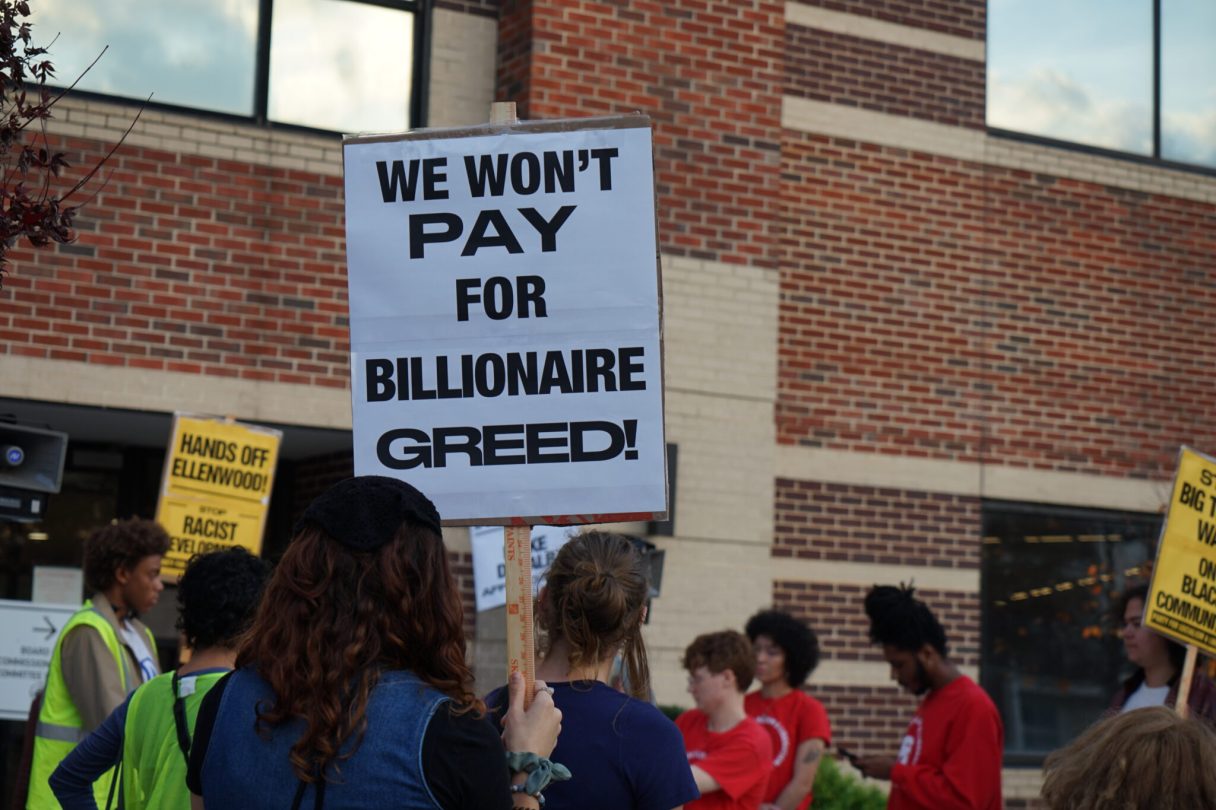
As Georgia becomes a national leader in new data center construction, debate over how to regulate the booming industry has become a hot issue in the race for governor.
The two candidates have proposed contrasting visions for how to deal with the massive, power-hungry facilities that help power and advance artificial intelligence, but voters don’t seem entirely sold on either’s plan. Democratic nominee Keisha Lance Bottoms, the former mayor of Atlanta, is pitching a statewide temporary “pause” on new data center construction to study the strain these facilities place on local communities, the environment and electricity bills, as well as potential benefits they may provide to some communities.
“Let us take a pause, assess fully, assess comprehensively, assess the impact that these data centers are having on our environment, on our utility bills, what it means to have them in communities,” Bottoms said in a recent press conference in Cobb County, where local opposition to data centers has grown.
Her Republican opponent, healthcare executive Rick Jackson, a billionaire who has invested in a data center in Texas that has faced local opposition, has argued that local elected officials should have the authority to welcome or reject these projects. Jackson pitched his plan as an opportunity for local governments to bolster the tax base and decrease – or even eliminate – residential property taxes.
“Every community should decide,” Jackson said at a September press conference in Cobb County. “And every community should get a financial benefit to lower their property taxes or anything else, with the right guardrails on these data centers and making sure that they do everything right, this could be one of the biggest economic benefits to a community if they want one.”