
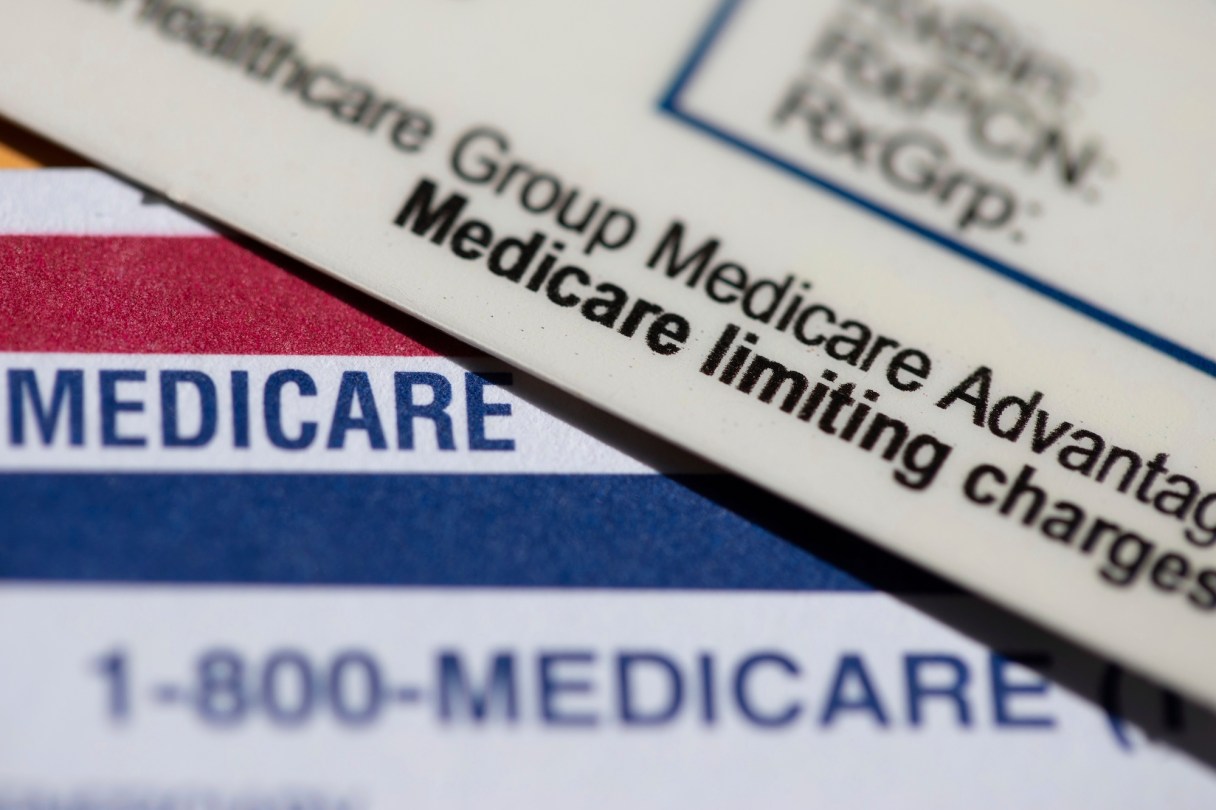
Across the country, candidates are running unapologetically on Medicare for All — and winning.
In just the past several months, three Democratic contenders for U.S. Senate seats clinched primary election wins after making Medicare for All a centerpiece of their campaigns. In Illinois, it was attorney and Lt. Gov. Juliana Stratton; in Michigan, it was former Public Health Director Abdul El-Sayed; and in Florida, the nod went to businesswoman and union organizer Angie Nixon, who, like El-Sayed, identifies as a Democratic Socialist.
It’s been a long time coming. As a policy and legislative specialist in healthcare reform, I’ve seen the evolution in public opinion and policy shifts up close. For decades, advocates of Medicare for All were told to wait our turn. We were told that single-payer healthcare was politically impossible.
That argument no longer holds true. The country is moving toward the position that physicians and patients have been advancing for years. We must seize this moment.
Historically, the fight for universal healthcare in the United States has been defined as much by political skepticism as by policy disagreements. Even as the failures of the private insurance system have gotten harder to ignore, Washington has continued to focus on incremental changes, such as a public option. While a public option could expand coverage for some individuals, it would leave the fundamental problems of the system intact.