
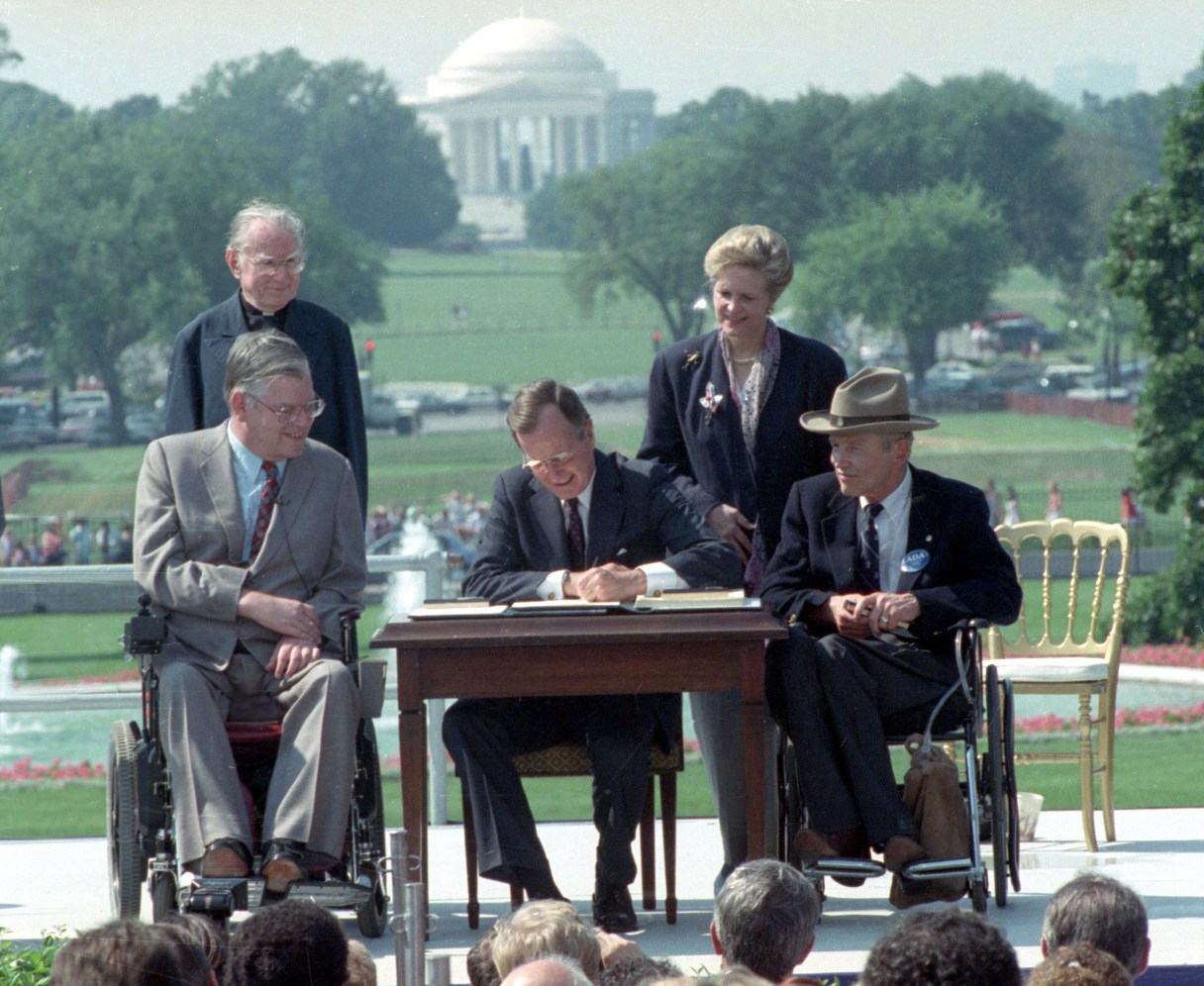
October is National Disability Employment Awareness Month, a time to recognize the talent and value of workers with disabilities, and the contributions of those workers as citizens with disabilities. Workers with disabilities strengthen our workforce, our economy and the social fabric of our communities.
Employment opportunities for people with disabilities have improved significantly in recent years. This progress has been driven by the growth of remote and hybrid work, as well as by stronger evidence that inclusive hiring benefits businesses. Recent U.S. labor data shows record highs in employment and labor force participation among people with disabilities. Remote and hybrid work have reduced commuting challenges and removed many physical workplace barriers, helping employees with disabilities grow faster in the workforce than any other demographic group. Let us be clear, there is still work to be done in these areas.
It is my experience that individuals with disabilities bring strong attendance, lower turnover, persistence, adaptability, critical thinking skills and deep commitment to their organizations. Most workplace accommodations cost little or nothing, and those that do have a modest average cost. Just as important, accommodations designed to improve accessibility for individuals with disabilities often benefit all employees.
Including people with disabilities is a workforce strategy that is not simply the right thing to do — it is also a smart business decision. Hiring people with disabilities can boost productivity, improve morale, reduce turnover and strengthen customer relationships, all of which contribute to stronger organizational performance.
Inclusive hiring of individuals with disabilities is also a civic responsibility. People with disabilities pay taxes, raise families, volunteer, vote, serve their communities and strengthen public life. For a person with a disability, work provides more than income. It offers purpose, independence, connection and dignity.
When a qualified person is omitted because of low expectations or stigma, the company loses productivity and the community loses potential.
While meaningful progress has been made in the United States and in Tennessee, we still have much more work to do. According to the Society for Human Resource Management, individuals with disabilities remain underrepresented in the employed population. At the same time, businesses of all sizes continue to face workforce gaps and unfilled positions. People with disabilities should be recognized as talented, ready and often overlooked resources to help fill those needs.
When we have conversations regarding workplace diversity, hiring people with disabilities should be near the top of the list. This is a group of individuals who are capable, willing, prepared and eager to work.
True inclusion requires us to move beyond sympathy and focus instead on opportunity, shared humanity and respect for all people, regardless of ability. We must tap into this still-untapped workforce resource of people who are willing to get up every day, go to work and do their best at jobs they are fully capable of doing.
My passion for expanding workforce opportunities for individuals with disabilities is both professional and personal. In my role at the Chattanooga Area Employment Consortium, I regularly speak with parents of adult children with various disabilities. Their greatest concern is often the same: They want their loved one to find meaningful work, contribute to society and experience the dignity that comes from being productive.
One example is our adult son, who is on the autism spectrum. My wife and I spent many hours searching for opportunities that would give him the chance to live as independently as possible and find meaning in life as a valued and respected member of his community.
Through employment, our son has gained greater independence, social connection and personal fulfillment. His experience reminds us that inclusive hiring is not only about filling jobs — it is about opening doors to purpose, belonging and a better quality of life.
The Chattanooga Area Employment Consortium will host the 2026 National Disability Employment Awareness Month Luncheon Celebration and Awards Ceremony on Oct. 6 at the Chattanooga Convention Center.
This year’s special guest will be Commissioner Brad Turner of the Tennessee Department of Disability and Aging.
The event will honor an Advocate of the Year, Employer of the Year and Employee of the Year, recognizing their contributions to supporting citizens with disabilities and advancing inclusive employment. For more information about the event, please visit caectn.org or email eoglesbyjr@bellsouth.net.
Erskine Oglesby Jr. is president of the Chattanooga Area Employment Consortium.