
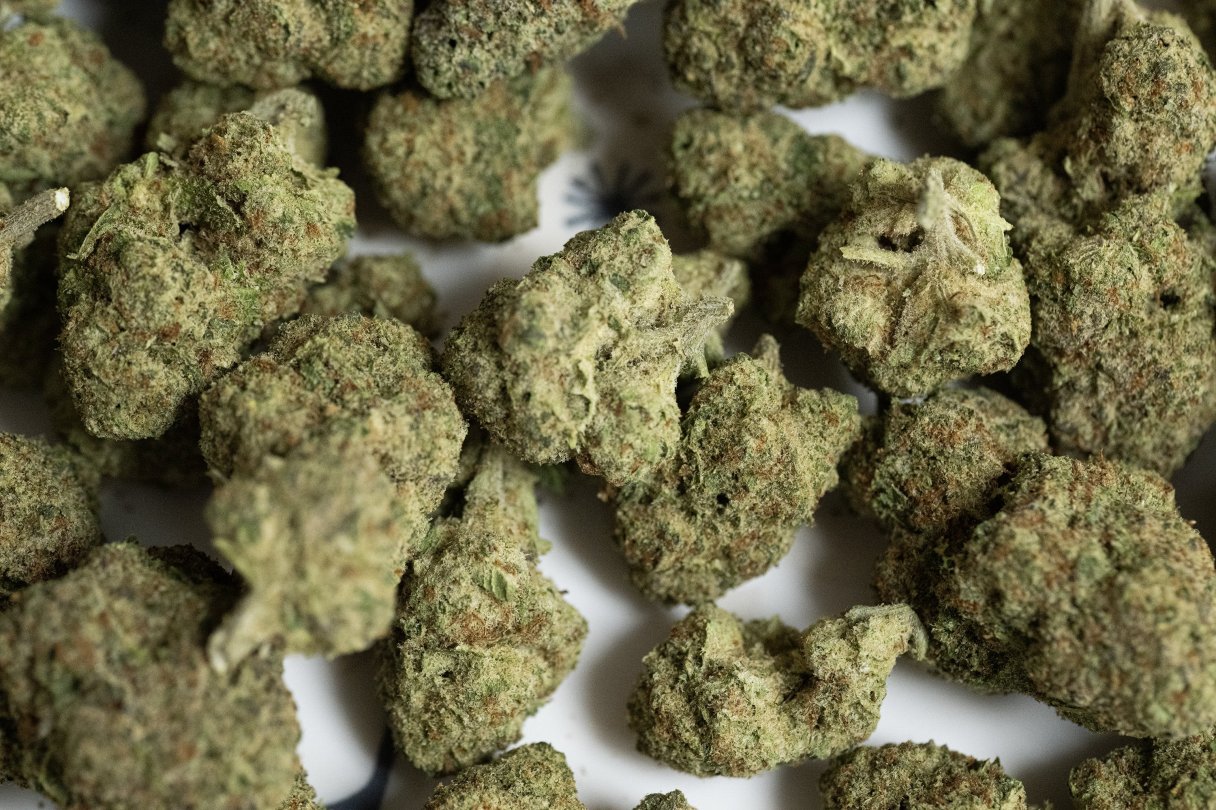
In 1937, Congress passed a law banning the production of hemp. Less than a decade later, during the height of World War II, Congress suspended that decision because the country needed the crop for naval rigging, after export bans from the Philippines cut off the usual supply. As soon as the war ended, Congress reimposed the prohibition, a ban that lasted more than 70 years.
Then, in 2018, Congress did something close to miraculous when it passed a bill allowing the production of this crop again, giving a boost to the nation’s farmers and to the broader economy.
Recent estimates suggest the modern hemp industry supports more than 300,000 jobs, along with a combined $1.5 billion in potential tax revenue across all 50 states.
Since the 2018 Farm Bill let U.S. farmers grow hemp again, the crop has spread across countless industries: as a carbon-negative building material known as hempcrete; as a replacement for fiberglass and plastics in automotive manufacturing; in tinctures and topicals people rely on for pain, inflammation, and sleep; and in a new beverage category that has given millions of consumers a nonalcoholic social drink that still offers a pleasant lift.
Then, last fall, a federal government shutdown dragged on for a perilous 43 days and pressure mounted on all sides to pass a spending bill and get the government funded again.