
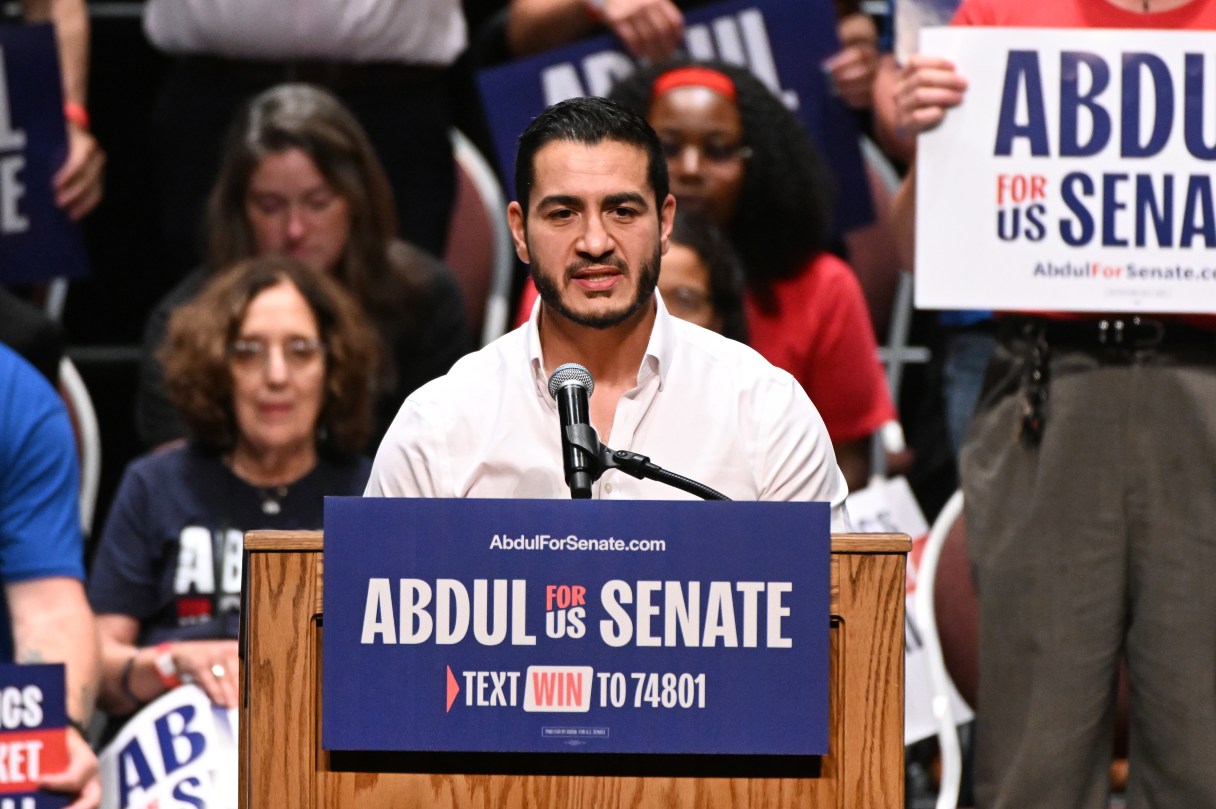
With the 2026 midterm elections now days away, the American political class has once again discovered that the fate of the republic hinges on a series of congressional races in districts most voters couldn’t locate on a map if their Uber rating depended on it.
Campaign consultants have dusted off the same PowerPoint slides from 2022, 2018 and, if we’re honest, the late Paleolithic Era. The only meaningful update is the stock photos of smiling families now include more drone footage and fewer golden retrievers.
Polling continues to provide the comforting illusion that someone, somewhere, knows what is happening.
In the spirit of bipartisanship, both major parties have agreed the other side represents an existential threat to the American experiment. This conclusion was reached after extensive focus-group testing in which the phrase “ordinary policy disagreement” scored lower than “your neighbor is secretly building a guillotine in the garage.”
Candidates are therefore required to spend at least 40% of their airtime explaining their opponent once liked a tweet that didn’t age well. The remaining airtime is reserved for promises to “fight for you,” a formulation that has proven remarkably durable across decades despite the absence of any agreed-upon definition of the word “fight” or the identity of “you.”