
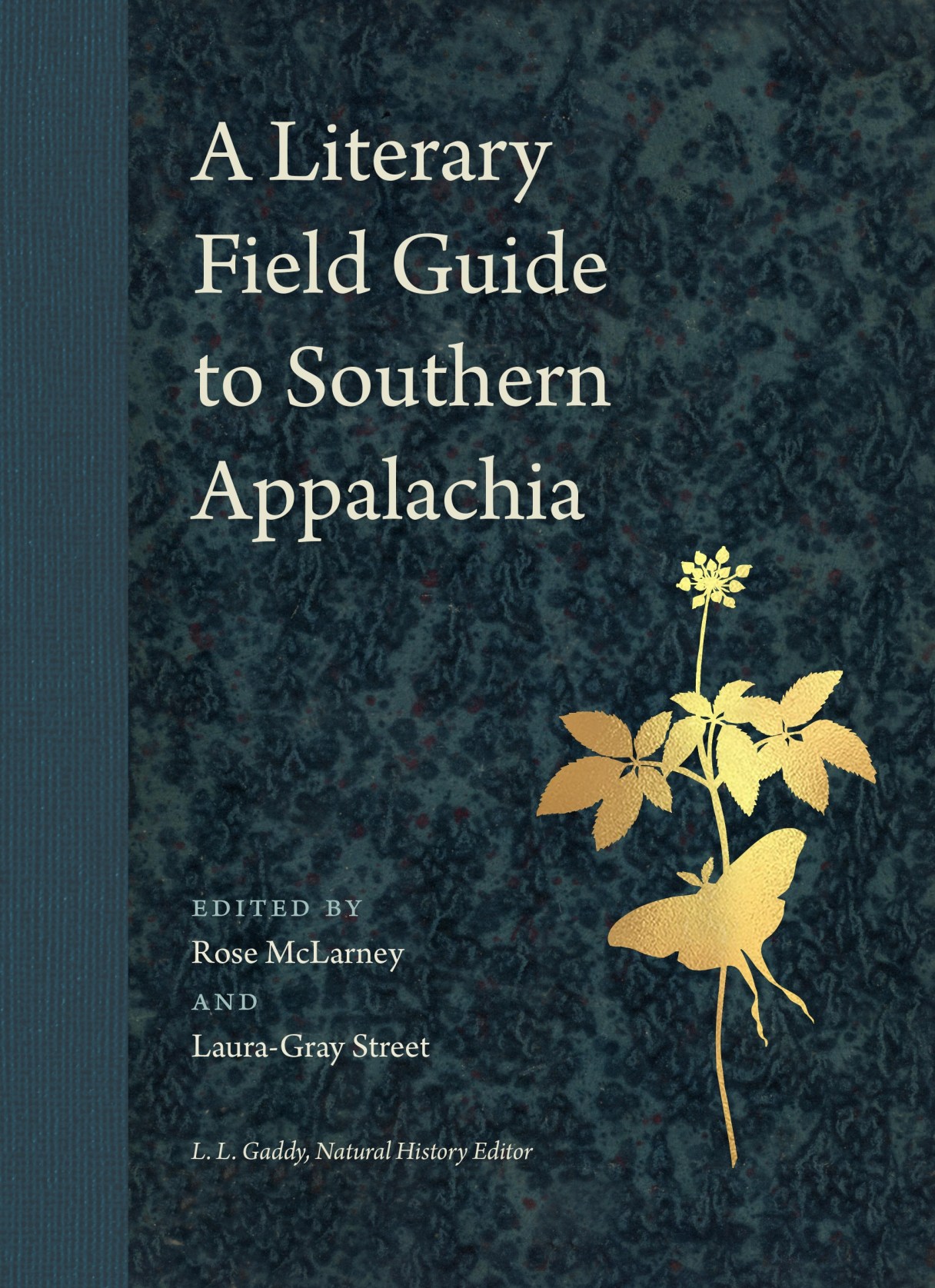
“A LITERARY FIELD GUIDE TO SOUTHERN APPALACHIA,” edited by Rose McLarney, Laura-Gray Street and L.L. Gaddy (University of Georgia Press, 136 pages, $25).
Appreciating poetry and studying the natural world are both contemplative pastimes. The search for subtlety of meaning, whether in Shakespeare’s sonnets or a pileated woodpecker in the Tennessee forest, requires patience and thoughtfulness. It also helps to have a good field guide. Annotated editions of Shakespeare are common, but guides to the natural world usually focus on hard facts about each species, ignoring broader significance. In “A Literary Field Guide to Southern Appalachia,” editors Rose McLarney, Laura-Gray Street and L.L. Gaddy combine science and the arts to prompt reflection on the plants and animals of the Southern landscape.
In the literary introduction, McLarney and Street note that the first field guides, published in the 1800s, were typically “colorful books that might weave quotes from poetry or lively personal anecdotes into factual content.” Their book is very much in this style, with poetry and art, rather than maps and photos, illustrating the selected life forms. Natural history editor Gaddy first describes each species. A poem illuminating the behavior or significance of the plant or animal is then presented, accompanied by artwork featuring the organism’s principal physical characteristics.
 Photo from Chapter16.org / Rose McLarney
The guide is, therefore, not intended to enable the amateur naturalist to distinguish, say, a persistent trillium from some other variety of trillium, but to get a feel for the plant, its habitat and its role in Southern life. Thus, Gaddy introduces the economically valuable, and illegally traded, black walnut as a tree whose “roots carry on their own black-market operations, exuding a natural herbicide – juglone – that kills or stunts certain plants within growing range.” In the following poem, “Black Walnut Tree,” Lesley Wheeler writes, “Tell me your tough- / shelled fruit and I will tell you / mine, as I render the ground / unkind.”
In his introduction, Gaddy summarizes the complicated natural and human history of the Southern Appalachians, defined as encompassing portions of eight states, including the eastern provinces of Tennessee. “The Southern Appalachians,” he writes, “constitute one of the richest regions in North America in total species.” This abundance of life made it difficult for the editors to choose which to include. They ultimately winnowed over 10,000 known species to the 60 presented in the book, comprising a varied array of plants, mammals, birds, reptiles, amphibians, fish, invertebrates and fungi. Some are common, others rare or endangered, but together they ably represent the vast network of living things that help define the region.