
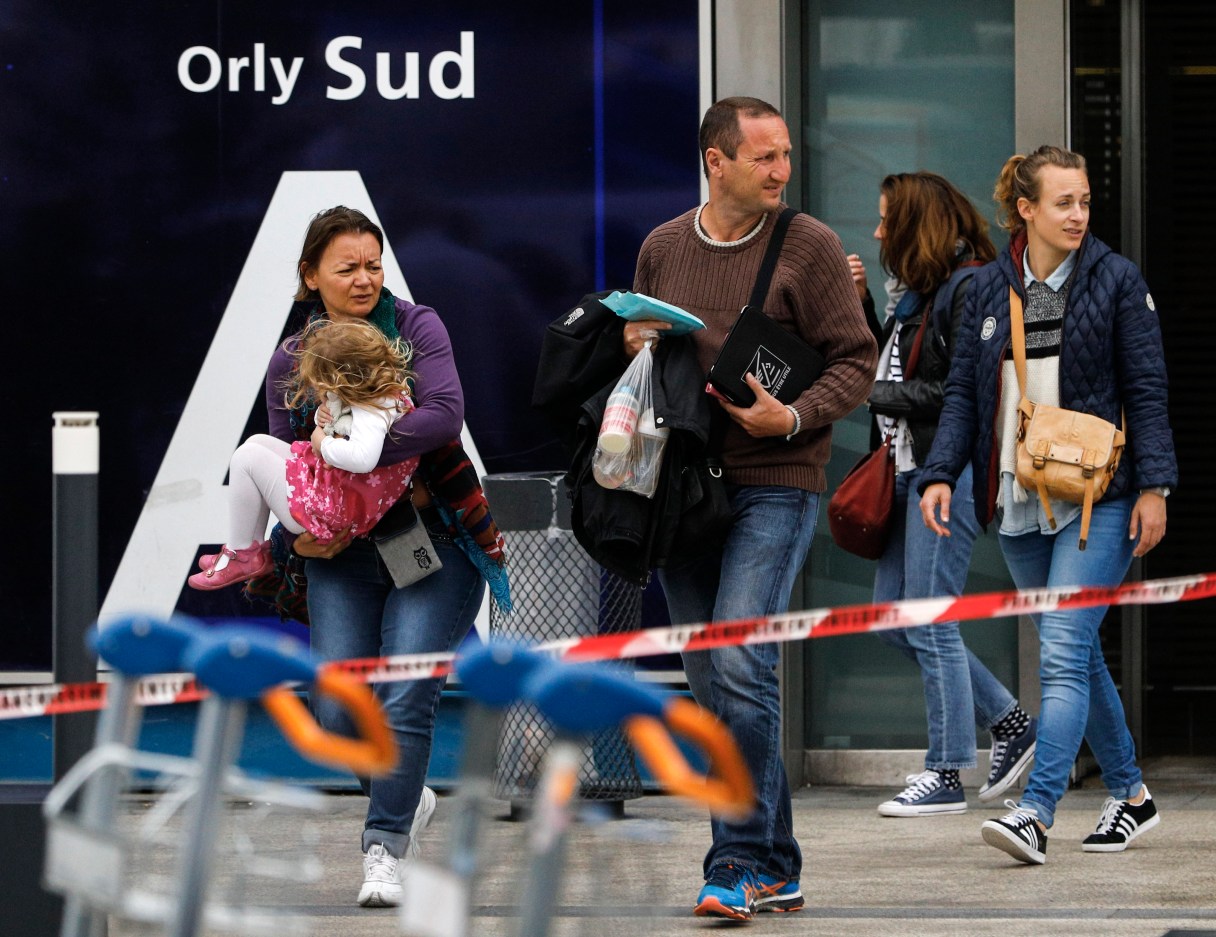
PARIS (AP) – The scars of extremist violence run deep in today’s France, and the threat of new attacks hangs heavy over the upcoming presidential election. Voters will cast ballots under a state of emergency that is increasingly stitched into the fabric of French life.
Yet terrorism is not the No. 1 campaign issue for France’s two-round presidential election on April 23 and May 7; jobs are.
Georges Salines wants to make sure the next president doesn’t forget how extremist attacks have damaged France. His daughter Lola was killed when Islamic State fighters stormed Paris’ Bataclan theater in November 2015, the deadliest of several attacks to hammer this country since French voters last chose a leader in 2012.
“Mr. or Madame President, this question of terrorism is very important, very difficult and we request a comprehensive approach,” he says. “You have to act all the time, from the time when the person is in danger of becoming a terrorist to the aftermath of an attack … you have to act at the international level, the national level, at the local level of the families and even individuals.”
Lola, a 28-year-old who edited children’s books, played the ukulele and adored roller derby, went to the Bataclan for a concert on Nov. 13, 2015, and never came home. In the chaos of the attack’s ensuing hours, her father and brother launched a desperate search for her on social media. Today, she rests in Paris’ Pere-Lachaise cemetery.