
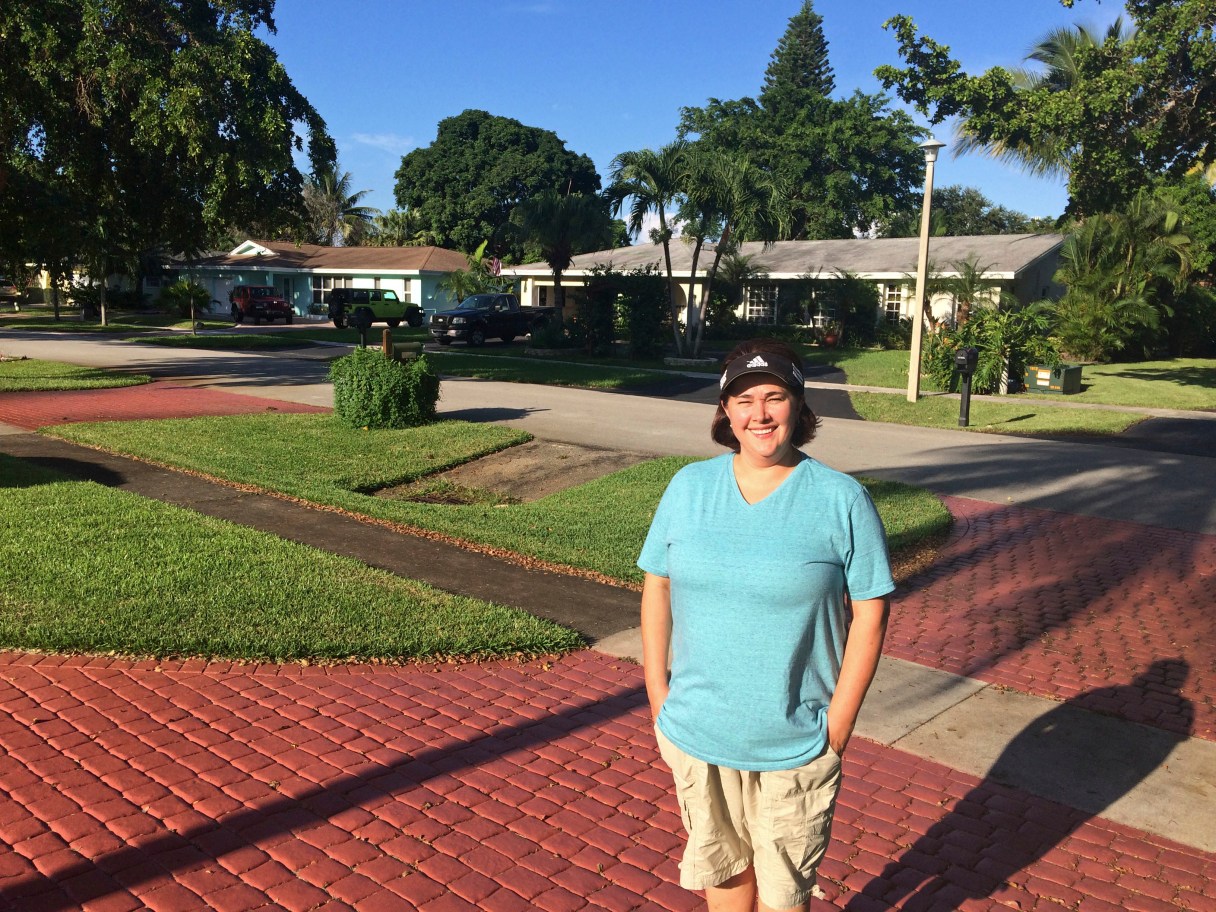
PLANTATION, Fla. (AP) – Amanda Spartz nearly did not renew her home’s flood insurance policy after her first year in Florida. Two hurricanes came close to the Fort Lauderdale suburbs last year, but they didn’t hit and her home isn’t in a high-risk flood zone. She figured she could put the $450 annual premium, due next week, to another use.
Then Harvey hit Houston, its historic rains causing massive floods even in low-risk neighborhoods. Spartz, a business analyst, paid the bill this week.
If Spartz had dropped her policy, she would not have been alone. Far fewer Americans compared with five years ago are paying for flood insurance in coastal areas of the United States where hurricanes, storms and tidal surges pose a serious threat, according to an Associated Press analysis of government data. The center for the problem is South Florida, where Spartz lives. The top U.S. official overseeing the National Flood Insurance Program told AP that he wants to double the number of Americans who buy flood insurance.
“I was talking to my husband and I said that if something like Harvey happens here, I don’t want to be on the hook,” said Spartz, who relocated from Cincinnati. “It isn’t a lot of money to save yourself the heartache if it does happen.”
What’s driving the drop in policies? Congress approved a price hike, making premiums more expensive, and maps of some high-risk areas were redrawn. Banks became lax at enforcing the requirement that any home with a federally insured mortgage in a high-risk area be covered. Memories of New Orleans underwater in 2005 after Hurricane Katrina have faded.