
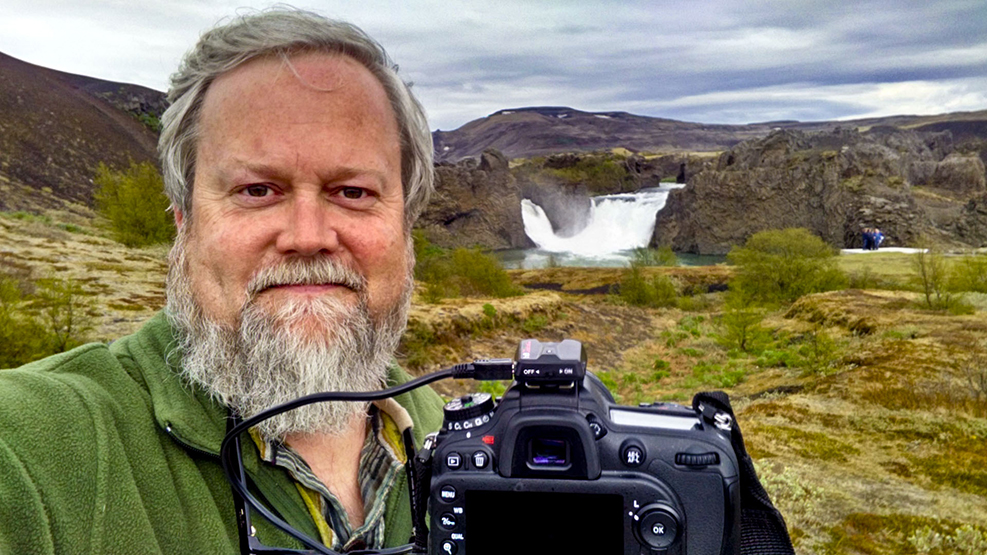
Steve Rogers was far from an old man. He hadn’t even hit 50 yet, and still had a full head of, admittedly graying, hair. However, it seemed he was constantly being stunned by news on social media: Friends and acquaintances from his school days were passing away.
Heart attacks and car accidents lingered on his mind when he thought about how much time he had left, and what he wanted to do.
Rogers had traveled extensively throughout the U.S. when he was younger, completing week-long treks in the Rockies and exploring the rainy forests of the Northwest. More recently, he’d traveled to British Columbia and the Yucatan Peninsula to pursue nature photography. He craved something outside of North America, though; his growing wanderlust demanded he see more of the world.
Browsing online photography forums, he noticed a recurring locale filled with gorgeous waterfalls and remote, pristine glaciers: Iceland.
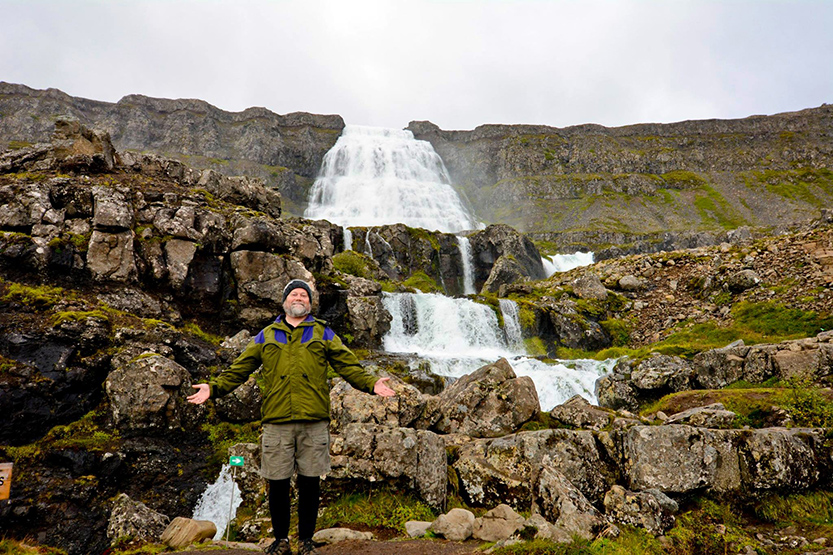
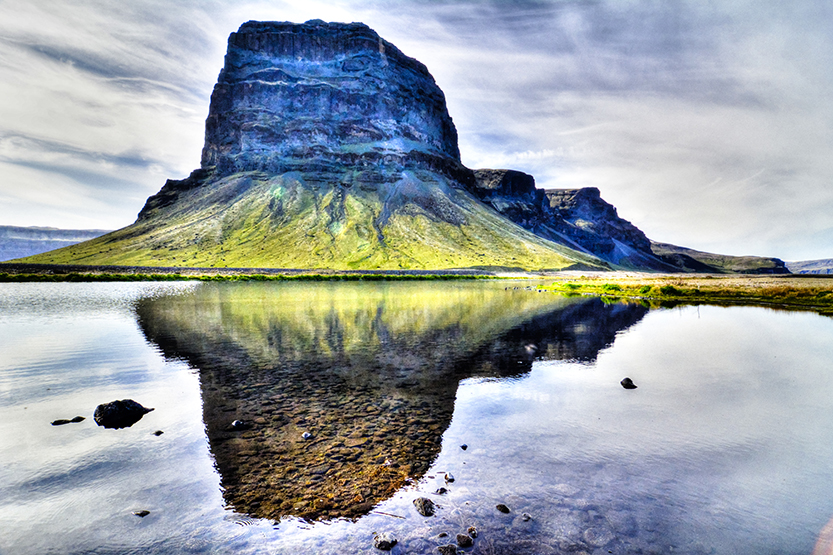
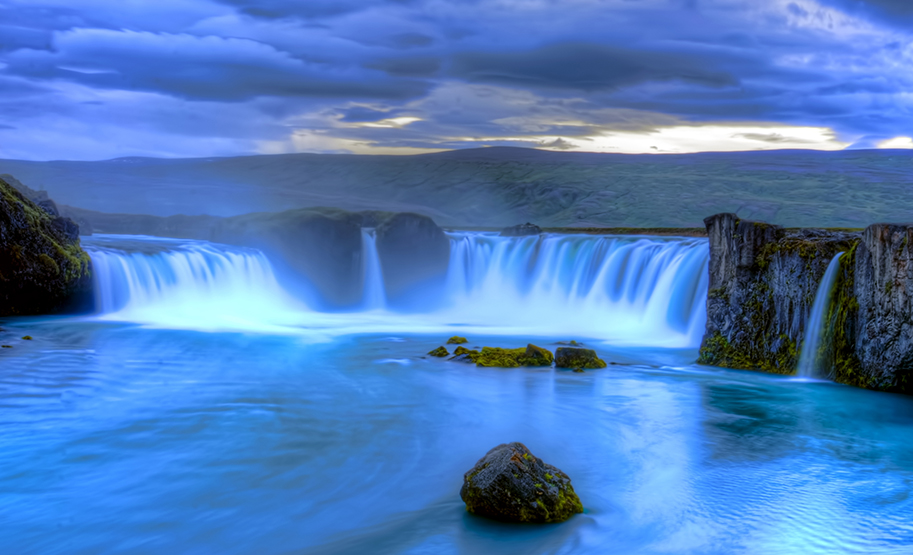
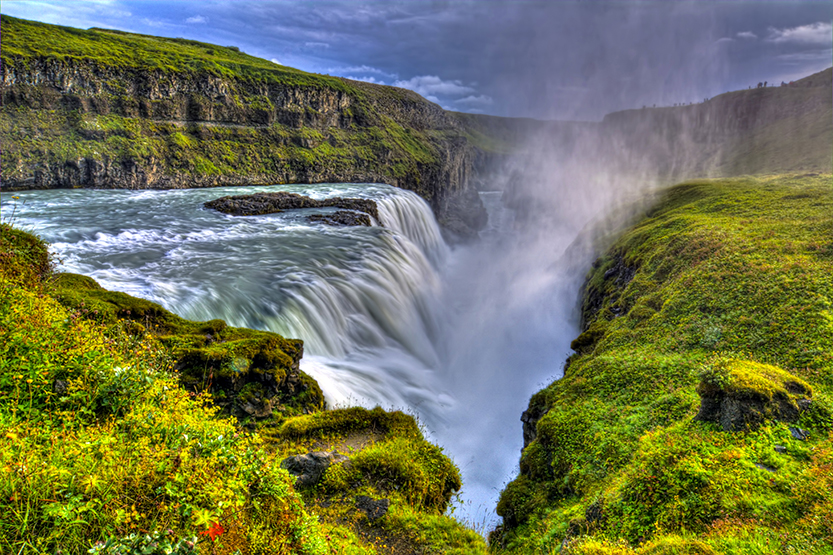
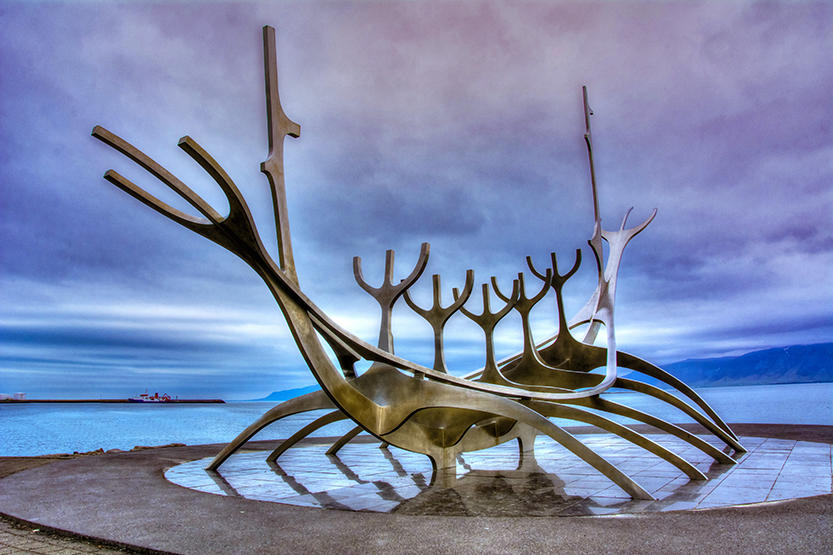
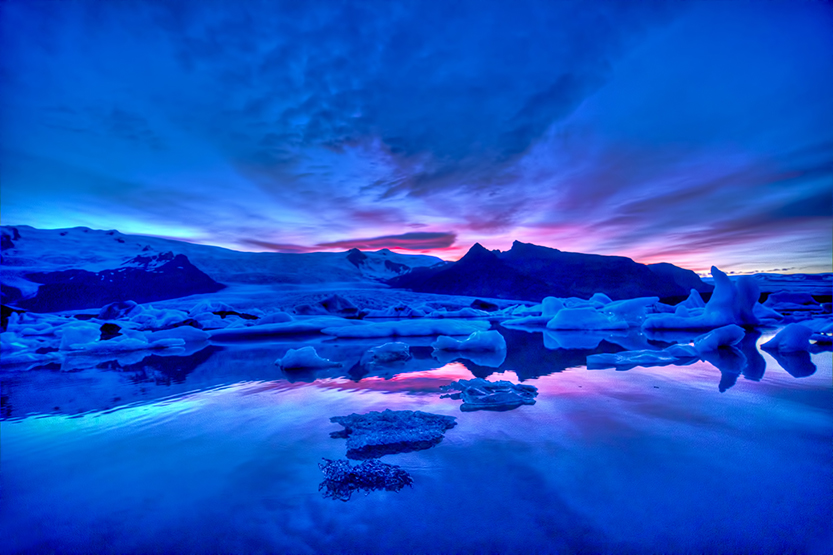
In June 2016, Rogers made his second trip to the remote island nation. The first, in September 2015, was to tour the country, while the most recent was to capitalize on the photographical opportunities found in the stark beauty of the countryside. As Rogers describes it, you can be standing among mossy rolling hills, overlooking a 50-foot waterfall cascading from volcanic floe, but a 20-minute drive down the road will have you in the midst of what he calls “moonscape,” where glaciers have scraped the earth of living matter, leaving behind pockmarked and cratered soil.