
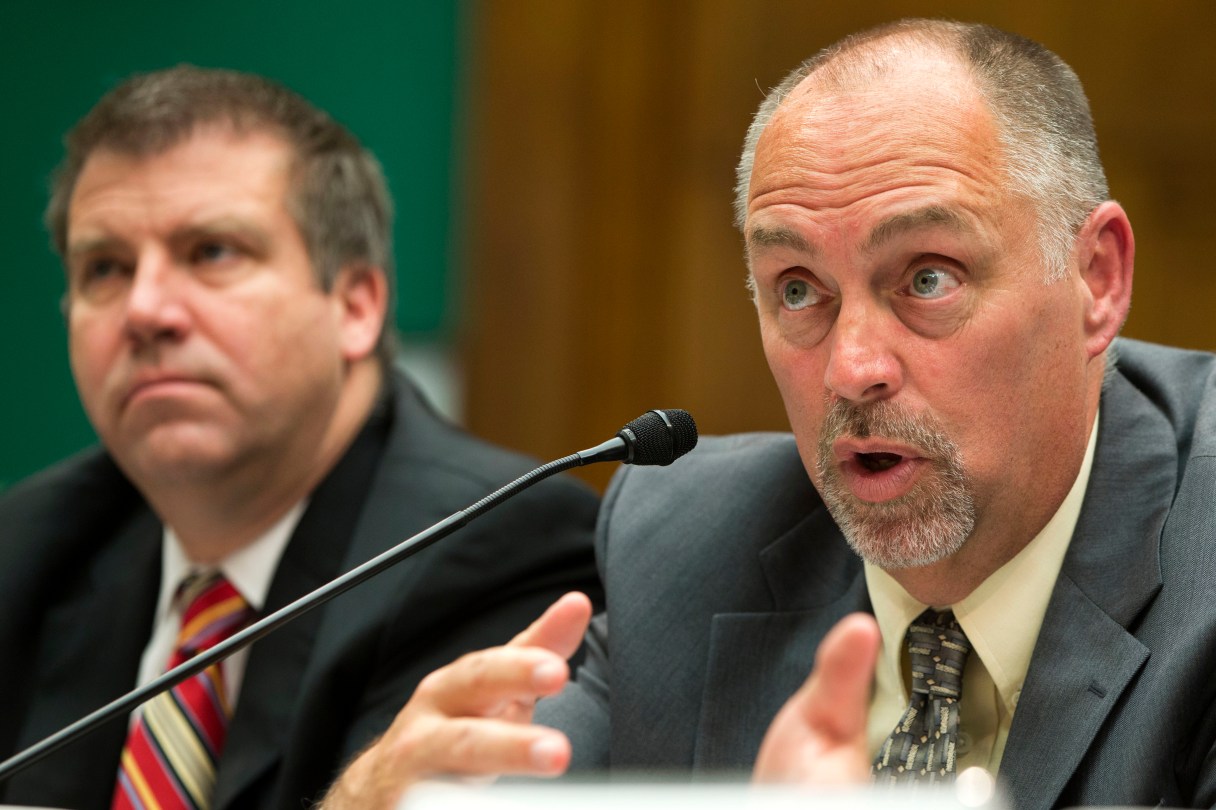
WASHINGTON (AP) – Congress on Wednesday launched a fact-finding mission into the loosely regulated, multibillion-dollar world of fantasy sports games – a multibillion-dollar business that seemingly advertised everywhere during the pro football season.
Lawmakers at a House hearing were generally supportive of the industry as they explored whether federal safeguards are needed to protect players in daily fantasy leagues. Most players ending up losing at the hands of better-informed players who often have a technological edge.
States are beginning to enact a patchwork of laws regulating the industry and its dominant companies, DraftKings and FanDuel.
Fantasy sports games involve choosing an imaginary roster of players from different teams, accumulating a score based on the players’ performances and matching up against one or more opponents. Fantasy games long have been a rec room favorite of friends played out over entire seasons, with the best teams determining shares of a jackpot.
But daily fantasy sports works at a much faster pace, permitting gambling every day or weekend, either in head-to-head matchups against other players or at tournaments offering the promise of bigger payouts. The companies generally make their profits by “raking” a percentage of entry fees.