
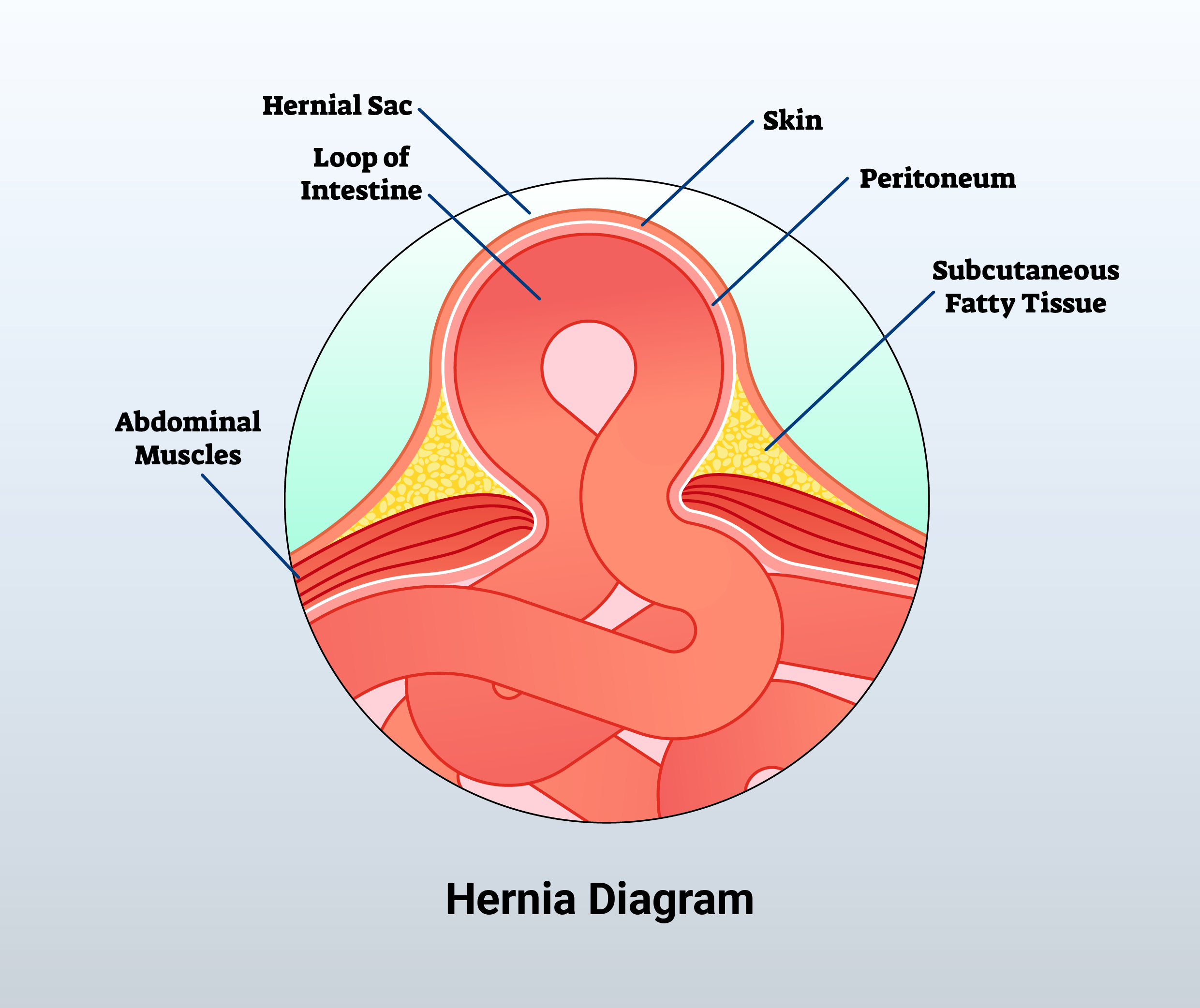
A hernia happens when a weak spot or hole in the abdominal muscle allows fat, tissue or internal organs to bulge through. A hernia can happen to anyone – some occur at birth and some are caused by previous surgery or injury. And if you’ve experienced a hernia, you know they can be painful and uncomfortable. But if left untreated, hernias can sometimes cause life-threatening complications including internal organs becoming twisted, blocked or infected.
“Not all hernias are the same, and there are different methods of treatment based on a person’s unique health history, the size of the hernia and the risk of recurrence. That’s why it’s so important to be evaluated by a surgeon if you suspect a hernia or if you’re experiencing pain or discomfort,” says USA hernia surgeon Robert Jean, MD. “Hernias will not get better on their own, and we have no way of knowing when things could get worse very quickly. Knowing the symptoms to watch out for and making a plan for treatment can help prevent a serious medical emergency.”
While the symptoms for hernia can vary, they are soft to the touch, can be pushed back inside when laying down, and may be uncomfortable but not painful. Seek emergency medical care immediately if you have increased pain or skin discoloration around the hernia, it feels firm or hard to the touch, or you have extreme abdominal bloating or vomiting.
Expert Hernia Care
USA Hernia Center surgeons work with patients to help them understand their hernias and treatment options from the beginning – including hiatal, inguinal, ventral and femoral hernias. USA pediatric surgeons also treat hernias in babies, children and teens. Some hernias are simple to repair, others are complex because of their size, previous surgical incision or because of a person’s genetic predisposition to developing hernias.