
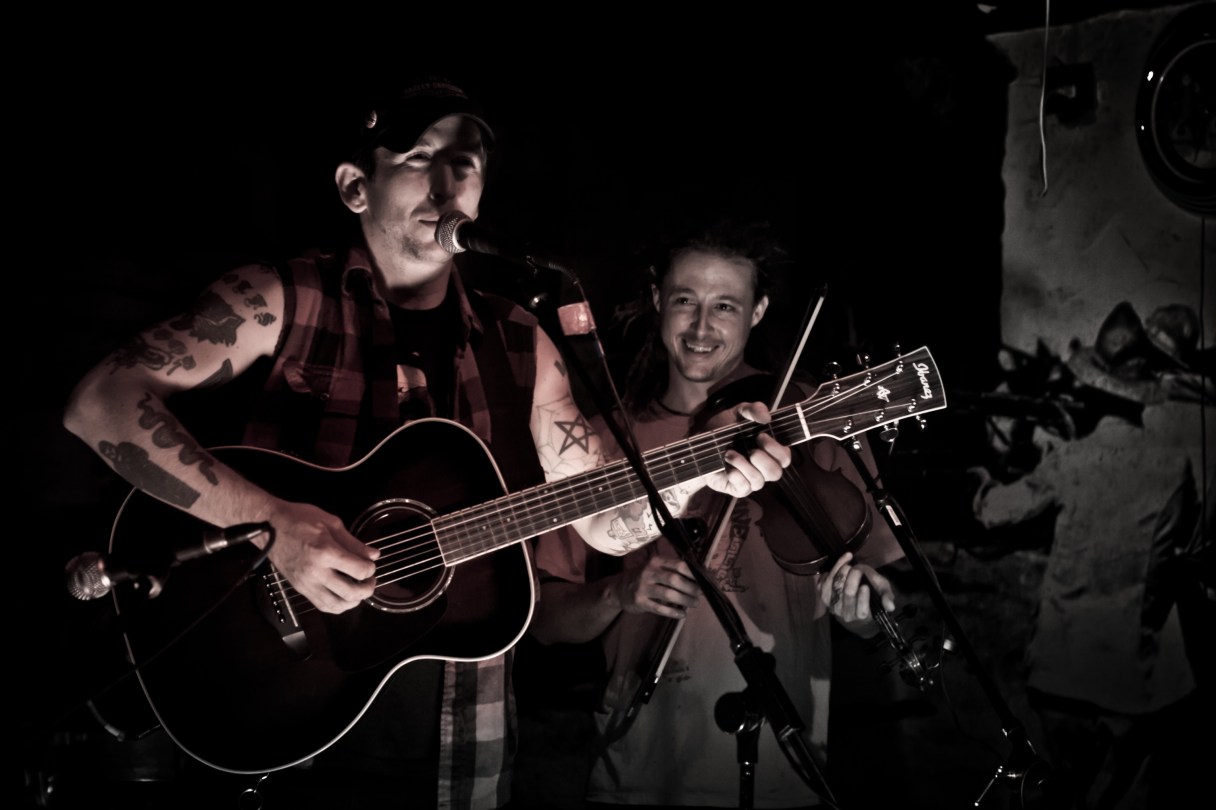
I put the show together because it's important to me, and Jesco is my friend. I think he deserves a chance for people to see him and see his talent for what it is.
If you go
› What: Snake Blood Medicine featuring Jesco White, “The Dancing Outlaw.”› When: 9 p.m. Saturday, July 9.› Where: Revelry Room 41 E. 14th St.› Admission: $20.› Phone: 423-521-2929.› Venue website: revelry room.co.› Artist website: facebook.com/SnakeBloodRemedy.
Whether you call it clogging, flatfoot, jigging or mountain tap, few people are as renowned as Jesco White for their skills in traditional Appalachian dancing.
Better known as “The Dancing Outlaw,” White is the son of D. Ray White, a famed Appalachian buck dancer – yet another common name for the style – from whom he inherited his moves and his shoes. A native West Virginian, Jesco White became a cult celebrity in the pre-internet era through “The Dancing Outlaw,” a documentary made in 1991 by the Public Broadcasting Service and passed from hand to hand via VHS tapes.
The documentary – and a 2011 follow-up, “Wild and Wonderful Whites of West Virginia” – showcased many less than savory aspects of White’s life but also created wider awareness of his “talking feet.”