
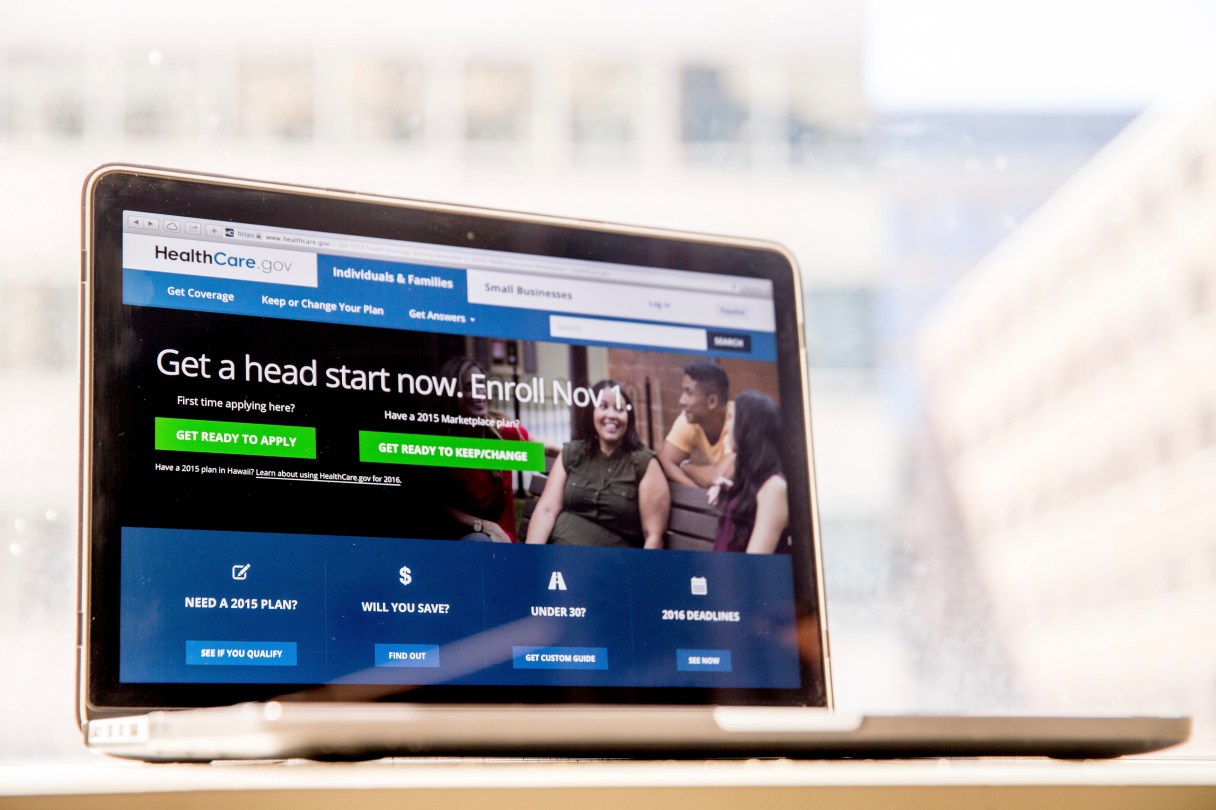
WASHINGTON (AP) – The web portal used by millions of consumers to get health insurance under President Barack Obama’s law has logged more than 300 cybersecurity incidents and remains vulnerable to hackers, nonpartisan congressional investigators said Wednesday.
The Government Accountability Office said none of the 316 security incidents appeared to have led to the release of sensitive data on HealthCare.gov, such as names, birth dates, addresses, Social Security numbers, financial information, or other personal information.
Most of the incidents over nearly 18 months seemed to have involved electronic probing by hackers. HealthCare.gov offers subsidized private health insurance for people who don’t have access to workplace coverage.
Although GAO said the administration is making progress, its report concluded that security flaws “will likely continue to jeopardize the confidentiality, integrity and availability of HealthCare.gov.”
Investigators identified weaknesses protecting sensitive information that flows through a key part of the system, called the data services hub. Operating behind the scenes, the hub pings federal agencies such as Social Security, IRS and Homeland Security to verify the personal details of consumers.