
Monday, November 16, 2026Nov 16

UK bill requiring firms to store Web histories becomes law

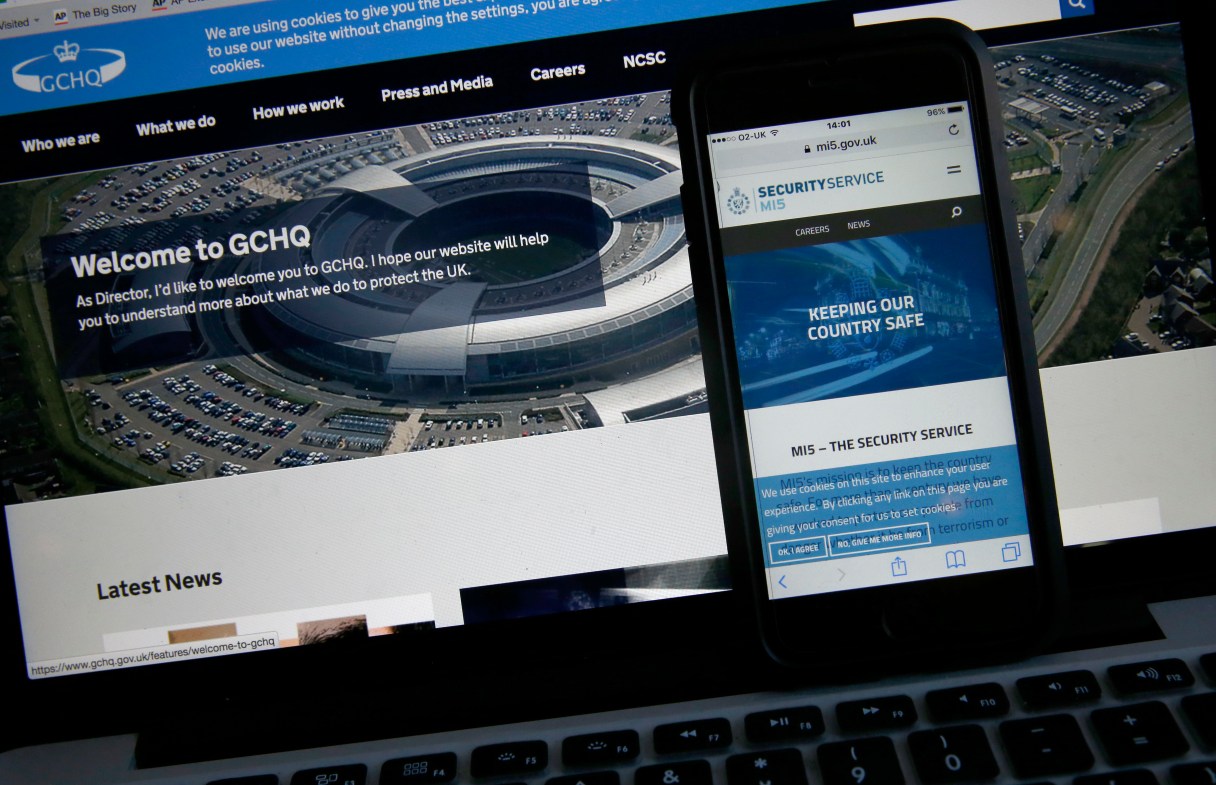
This photo-illustration shows the web flash pages for GCHQ, the British governments communications and electronic surveillance headquarters, and The Security Service (MI5), the governments internal security service, on a computer and smartphone in London, Friday, Nov. 25, 2016. After months of wrangling, Parliament has passed a contentious new snooping law that gives authorities — from police and spies to food regulators, fire officials and tax inspectors — powers to look at the internet browsing records of everyone in the country. (AP Photo/Alastair Grant)

LONDON (AP) – A contentious internet surveillance bill that creates databases of Britons’ online activity has become law – though the government says come of its provisions still need “extensive testing” before taking effect.

House of Commons Speaker John Bercow told lawmakers on Tuesday that the Investigatory Powers Bill had received royal assent, the last formality to becoming law. It was passed by Parliament earlier this month, after a year of argument and amendments.

Civil liberties groups have condemned the bill, which requires telecoms companies to keep customers’ browsing histories for a year. The information includes the websites users visited and the apps and messaging services they used, though not the individual pages they looked at or the messages they sent.

The data will be accessible by the police and intelligence services, government departments, revenue and customs officials and even the Food Standards Agency.

Jim Killock, executive director of digital freedom organization the Open Rights Group, said the legislation was “one of the most extreme surveillance laws ever passed in a democracy.”