
WASHINGTON (AP) – At first, the White House resisted calls from Congress to ban Russian oil imports to the U.S. And then, it did just that.
The administration hit the brakes on legislation that would have revoked Russia’s normal trade status, until President Joe Biden announced the move Friday. The administration persuaded senators to hold off on imposing Russian sanctions, then slapped stiff sanctions itself. It rejected efforts in Congress to stop the Nord Stream 2 energy pipeline, then led allies in halting it.
“What do all those things have in common?” Sen. Rob Portman, R-Ohio, asked after reciting a similar list.
“In each of those cases, the administration said no,” until lawmakers from both political parties put pressure on the White House to change course. “And in each case, the administration did a 180.”
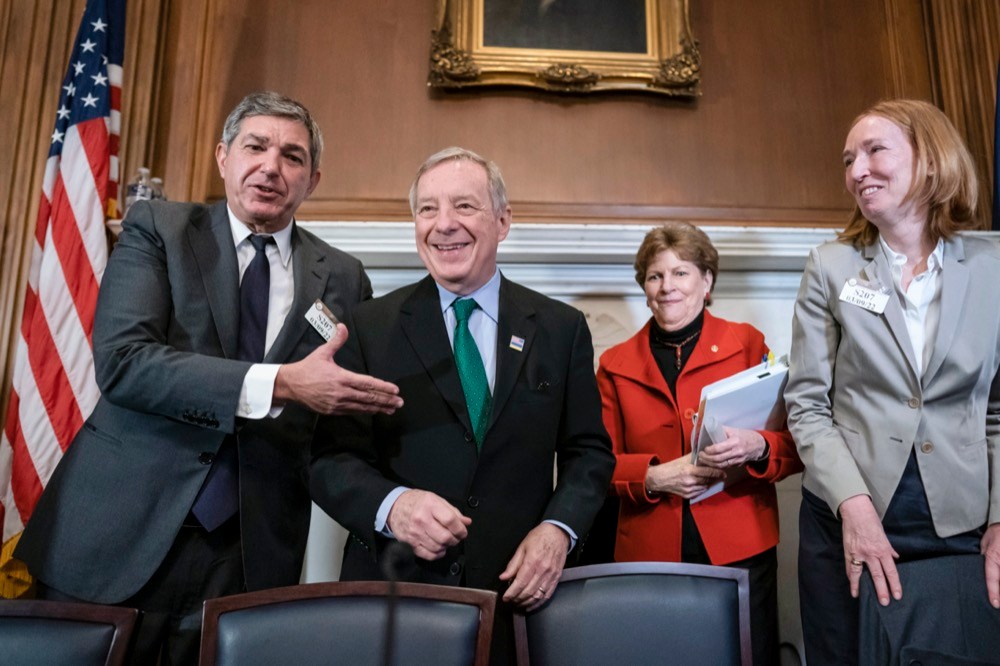
It’s an emerging pattern that has not gone unnoticed during the escalating war in Ukraine: A remarkably unified Congress is out front on foreign policy, pressuring Biden to go further and faster with a U.S. response to a devastating conflict that has no clear endgame in sight.