
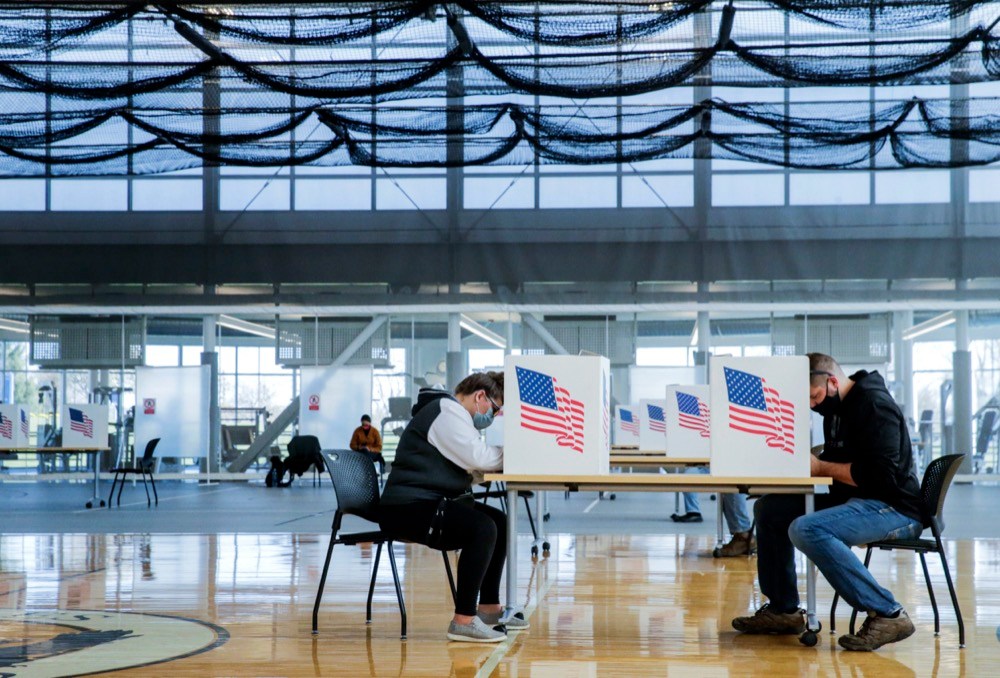
In 2020, election officials tried to make voting easier and safer amid a global pandemic. Next time, they might get fined or face criminal charges.
Republicans are creating a new slate of punishments for the county officials who run elections, arguing they overstepped their authority when they expanded voter access during the coronavirus pandemic.
The new penalties, part of a nationwide Republican campaign to roll back access to the ballot, already have become law in Iowa, Georgia and Florida, and are making their way through statehouses in Texas and elsewhere. The GOP push comes after a presidential contest that saw record turnout and no widespread problems.
Election officials have responded with warnings of a chilling effect on those responsible for administering the vote and counting ballots, raising fears they could be penalized for minor mistakes, get caught up in partisan fights or even leave their jobs.
In Iowa, Republican Gov. Kim Reynolds drew heavy criticism for signing a broad voting bill in March that shortens hours at polling places, narrows the early voting period and imposes new restrictions on mail and absentee ballots. The law also bans sending unsolicited absentee ballot applications to voters, as some officials did before the 2020 election.