
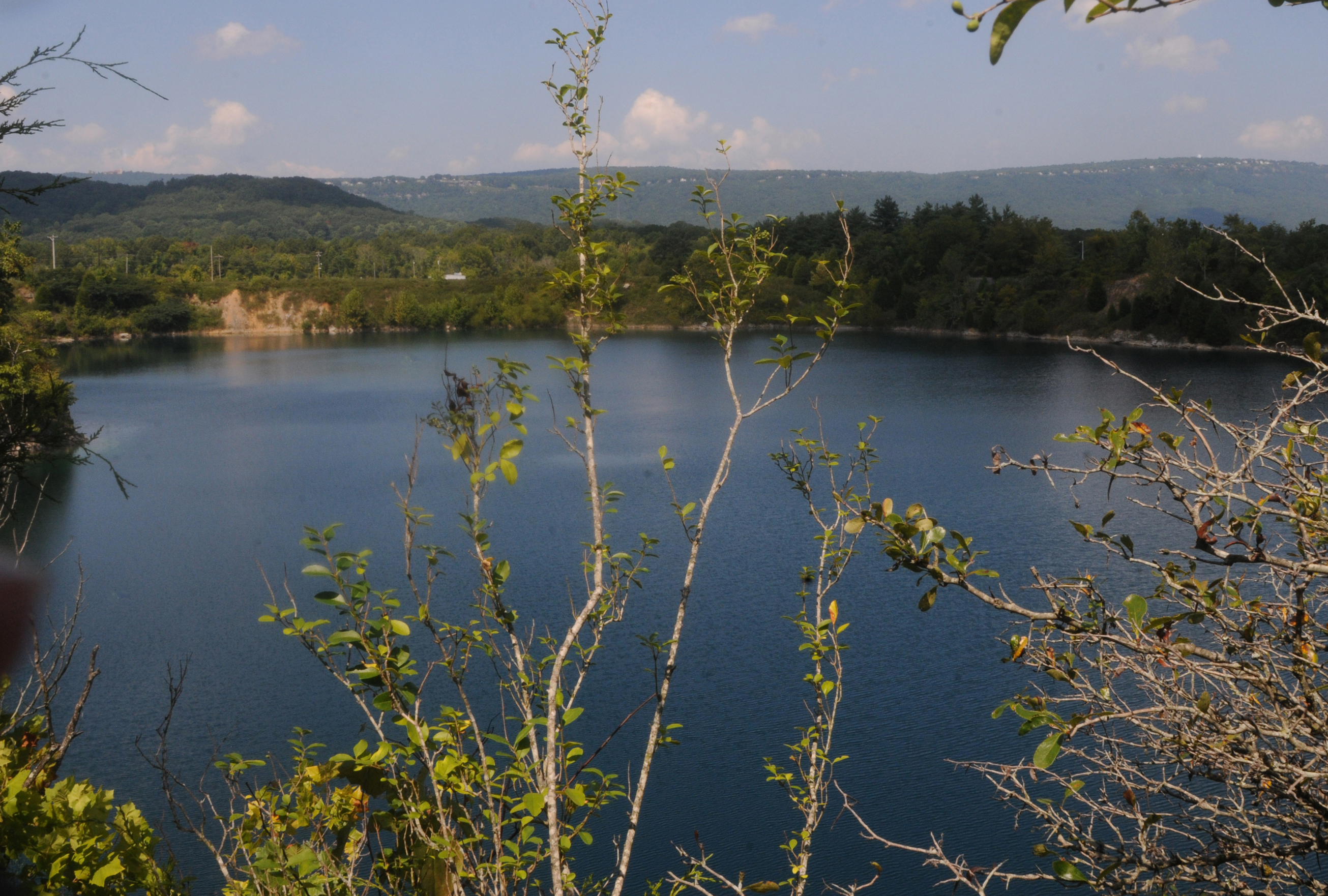
 A former Rossville limestone quarry, owned by Leonard Nixon, holds more than 3 billion gallons of water. Developing the unused quarry to hold Tennessee River water for piping to Atlanta might be the kind of project eyed for funding under a new program in Georgia, officials say.
COOSA-NORTH GEORGIA REGION5,500 square miles18 counties, 52 municipalities2010 estimated population 755,2552050 projected population 1,551,894WATER USAGE NOW AND 2050Demand for water for energy generation, municipal and industrial use is projected to grow between now and 2050 in the 18-county Coosa-North Georgia Region. (Most water used in energy creation is released again into the environment rather than consumed.) Where a gallon of water goes:Use 2010 2050 (projected)Energy: 78 percent 84 percentMunicipal 12 percent 21 percentIndustrial 8 percent 13 percentAgriculture 2 percent 2 percentTotal usage 888 mgd* 982 mgdMillions of gallons per daySource: Coosa-North Georgia Region water management planWATER MANAGEMENT GOALSWater conservation: Implement education and public awareness programs; develop water conservation goals.Water supply: Encourage development of water master plans; consider expansion of existing reservoirs.Wastewater: Consider development of local wastewater master plans to evaluate wastewater treatment and disposal options to meet future demands; consider development and implementation of a local wastewater education and public awareness program.Water quality: Encourage implementation of nutrient management programs; Promote use of forestry best management practices.Source: Coosa-North Georgia Region water management plan
With Gov. Nathan Deal’s OK last week, Georgia towns and counties now have a pool of money they can dip into for projects to expand their water supplies.
State and local officials say the sum — $300 million over four years — isn’t a funding tsunami. But they say a targeted trickle of cash could make the difference for projects from drilling new wells or installing local water lines to building new reservoirs.
The Governor’s Water Supply Program that Deal approved last week will provide funding from bond sales for low-interest loans to local governments and private partners.
If the locals can make a business case for a reservoir, a pumping system or a wastewater treatment plant, they could tap that money, said Kevin Clark, executive director of the Georgia Environmental Finance Authority, which will administer the program.