
When the makers of Little Debbie snacks announced plans three years ago to boost their snack production with a plant expansion, McKee Foods picked Virginia over Tennessee for the $34 million addition, in large measure, because of Tennessee’s unfavorable method of calculating excise taxes on major manufacturing investments.
McKee expanded in Stuarts Draft, Va., rather than its hometown of Collegedale because the Volunteer State then assessed taxes on manufacturers based on a three-factor combination of the company’s property, payroll and sales. Other neighboring states, including Georgia, South Carolina, Mississippi and Virginia, use a single sales factor that exempts state taxes on property and payroll, in favor of taxing only sales, thereby eliminating the tax penalties on local jobs and capital investment.
 Rendering of Nokian Tyres’ planned Dayton, Tenn., plant.
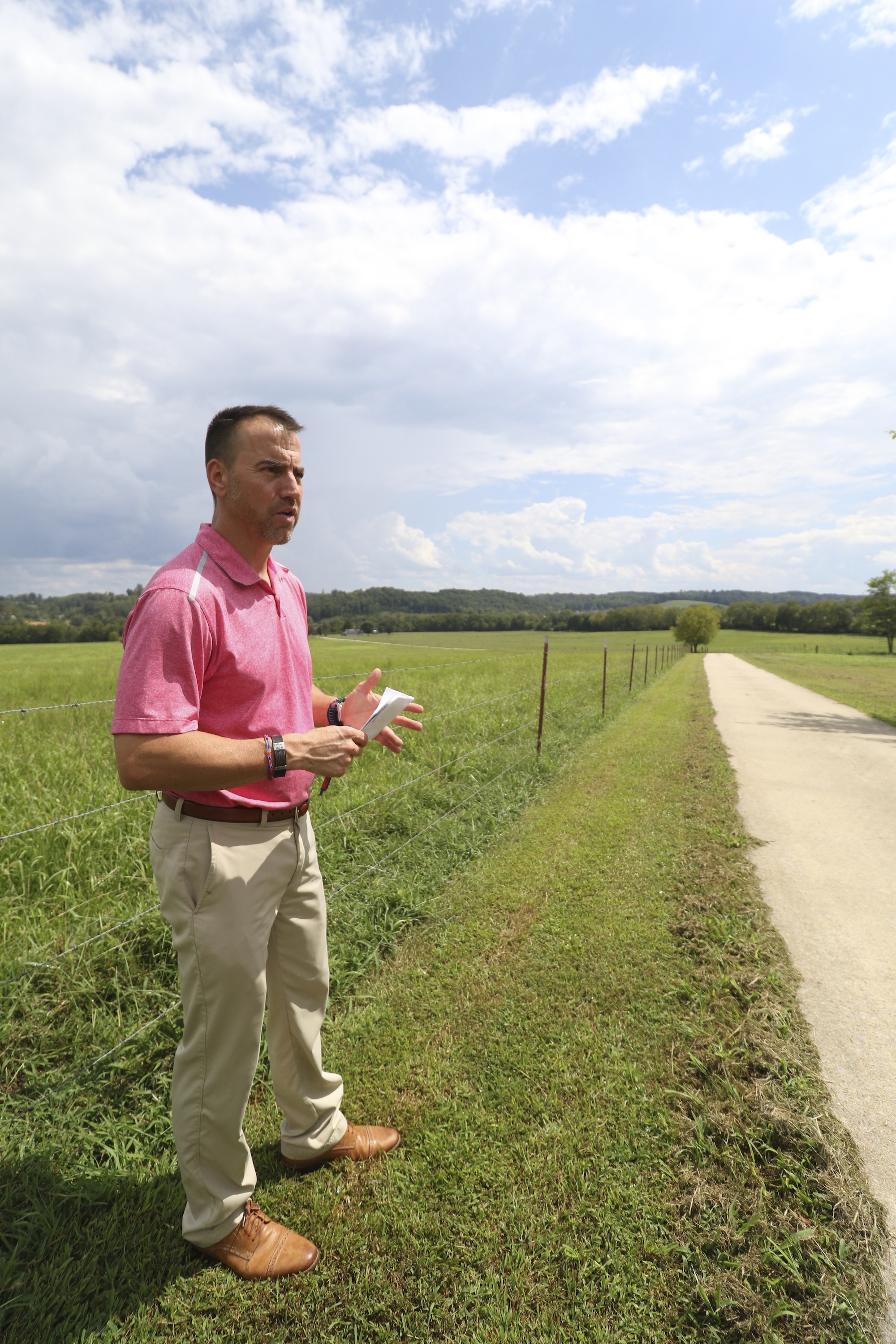 Staff Photo by Dan Henry / The Chattanooga Times Free Press- 8/15/16. Monday, August 15, 2016. Dennis Tumlin speaks about how the Dayton City Council has voted to purchase a piece of property that could potentially expand its existing industrial park.

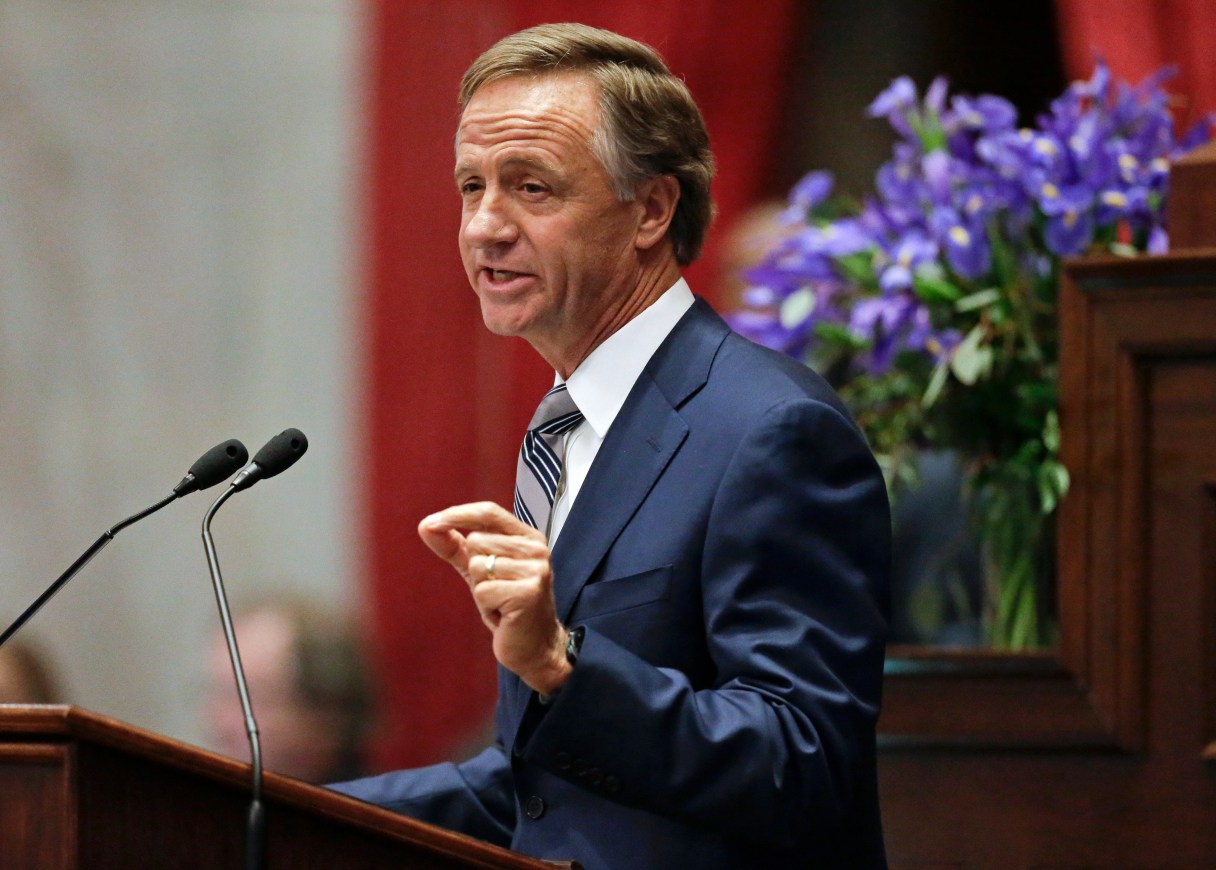
But the passage by the Tennessee Legislature last month of the IMPROVE Act, pushed by Gov. Bill Haslam, changed the way manufacturers are taxed, and that change proved pivotal in landing a $360 million tire production plant in Dayton, Tenn., on Wednesday.
The Finnish tire maker Nokian Tyres picked Tennessee over a competing offer in Georgia for its new 400-employee plant only after Tennessee lawmakers changed the formula the state uses to tax major manufacturing projects in a manner that should save Nokian several million dollars a year in state excise and franchise taxes.
“After all of the negotiations we had with this company over the past year, it came down the change in the single tax factor being done by a certain deadline and hats off to the governor and the legislative leadership that helped make this happen,” said Dennis Tumlin, executive director of the Rhea County Economic and Tourism Council. “This project would not have come to Dayton without the IMPROVE act.”