
What do scientists say about physical appearance and elections?
A 2007 Finnish study of found that beauty is associated with a boost of 17–20 percent more votes than for the average non-incumbent candidate. The relationship is always statistically significant for female candidates, and in most races for male candidates.
Looks count in the race to the White House but in weirdly unpredictable ways.
When a political rival accused Abraham Lincoln of being two-faced, Honest Abe said: “If I had another face, why would I use this one?” But Americans watching the 1960 presidential debates on TV saw the dry, handsome face of Democrat John F. Kennedy and GOP candidate Richard Nixon’s sweat-blotched pancake makeup. Voters told pollsters Kennedy was the winner while those listening on radio favored Nixon.
Time magazine conducted a 2007 analysis of hair’s impact on male political candidates and discovered that bald and bearded candidates have a tougher time getting elected than the norm, but the study did not consider odd hair decisions.
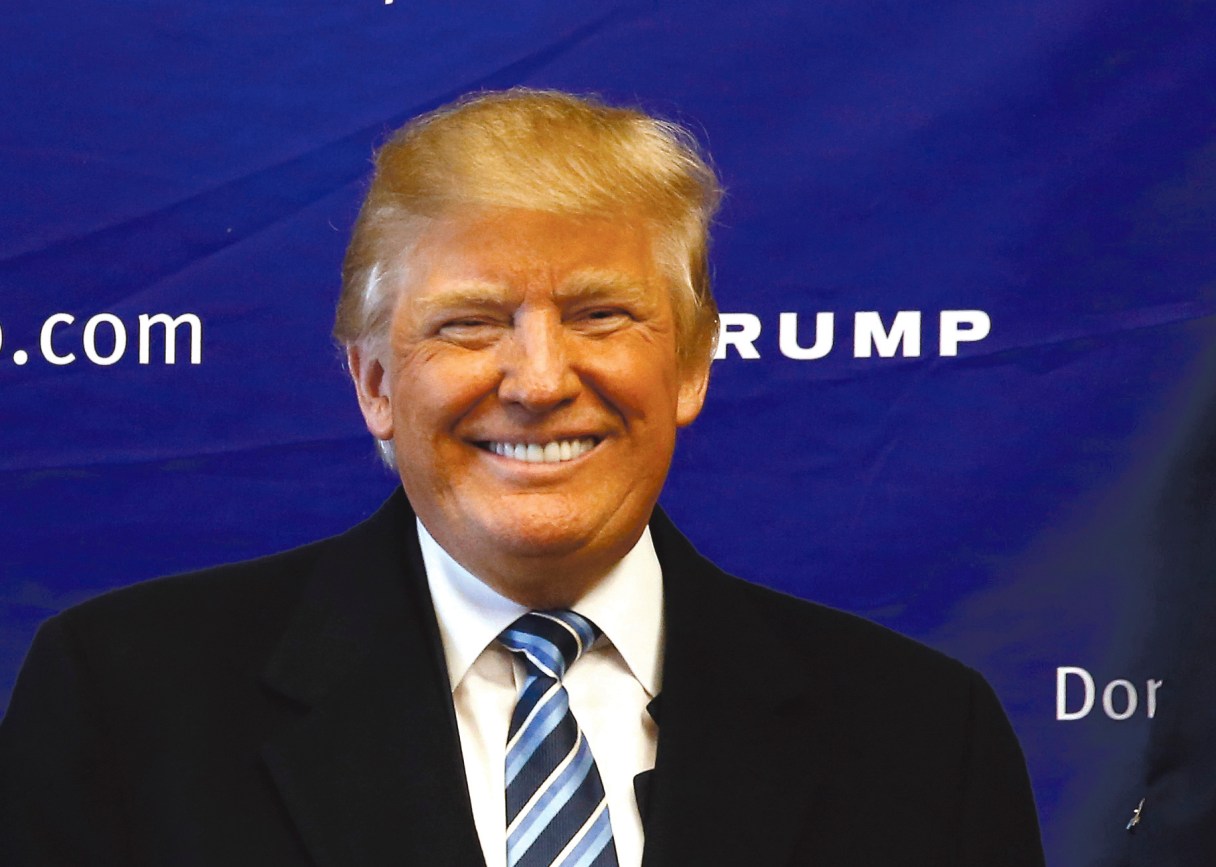
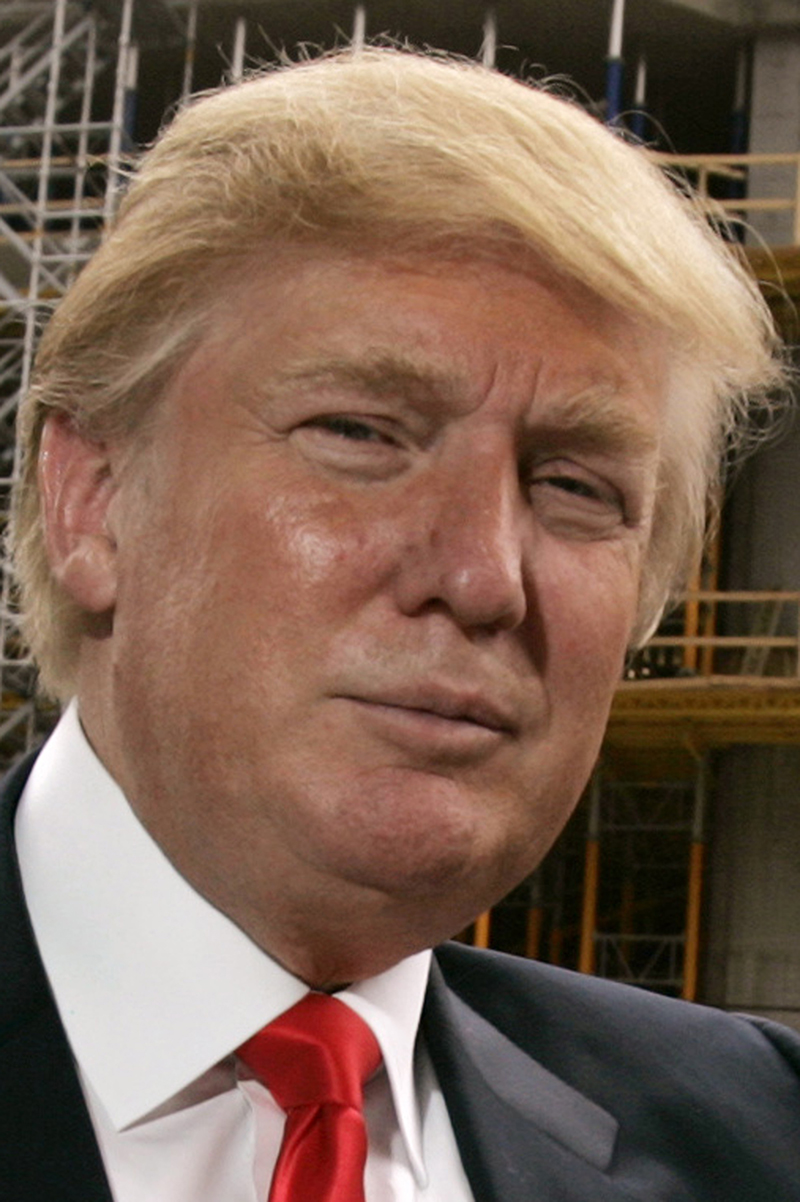
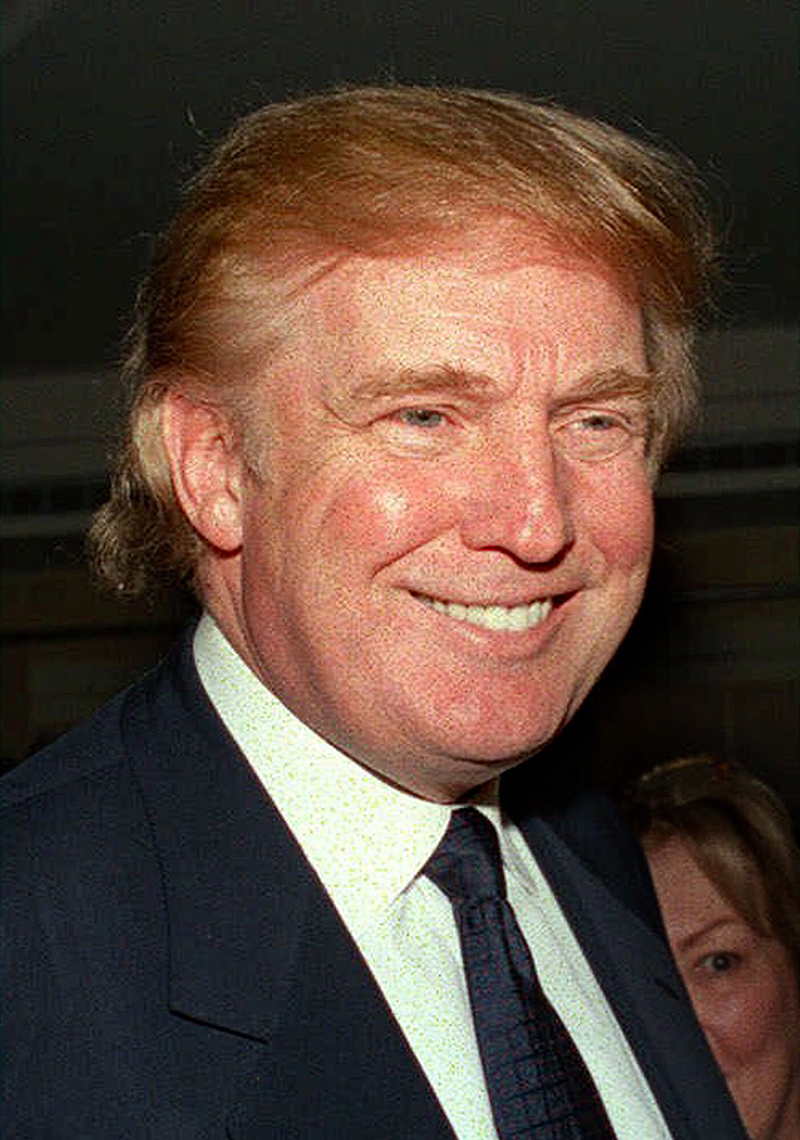
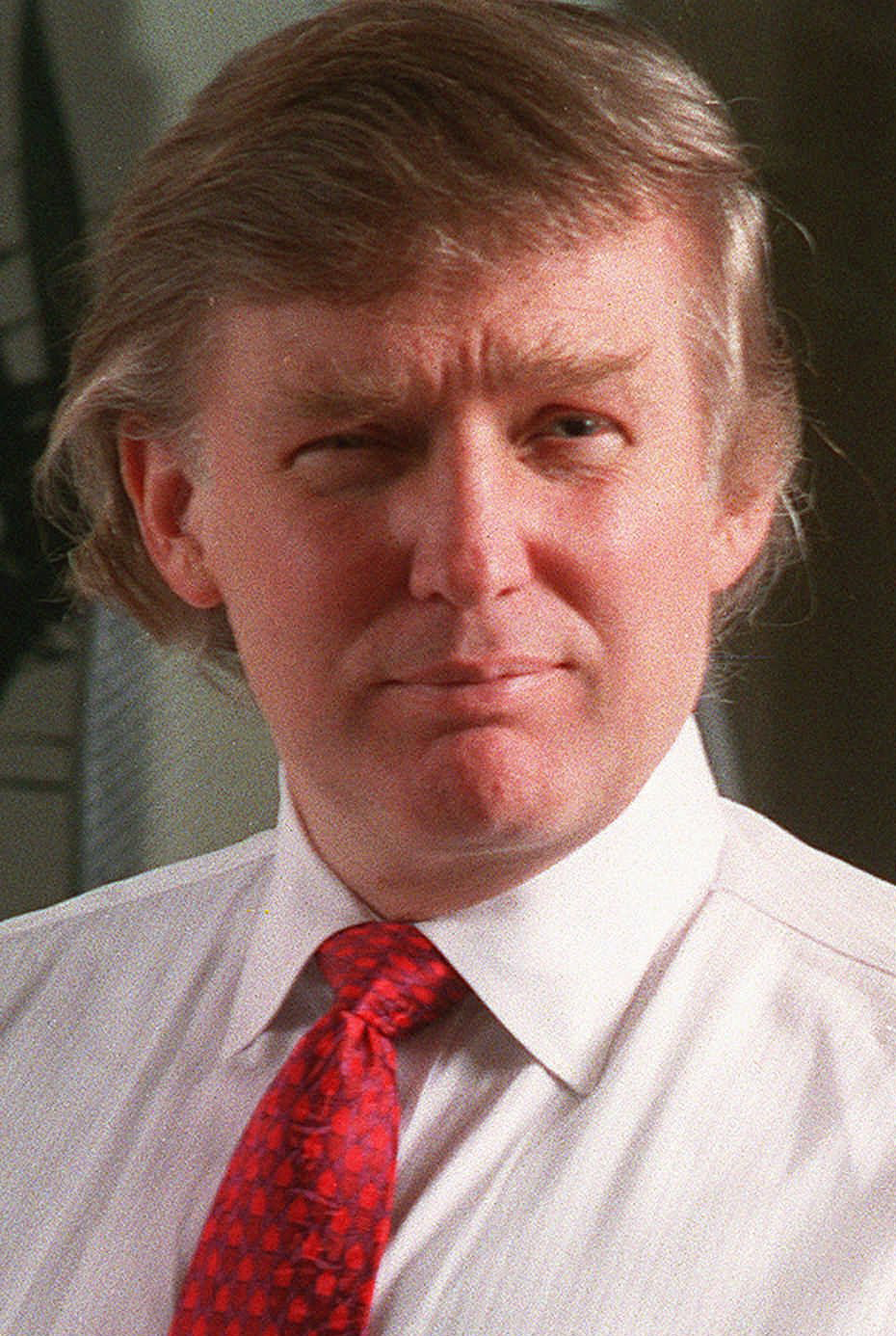
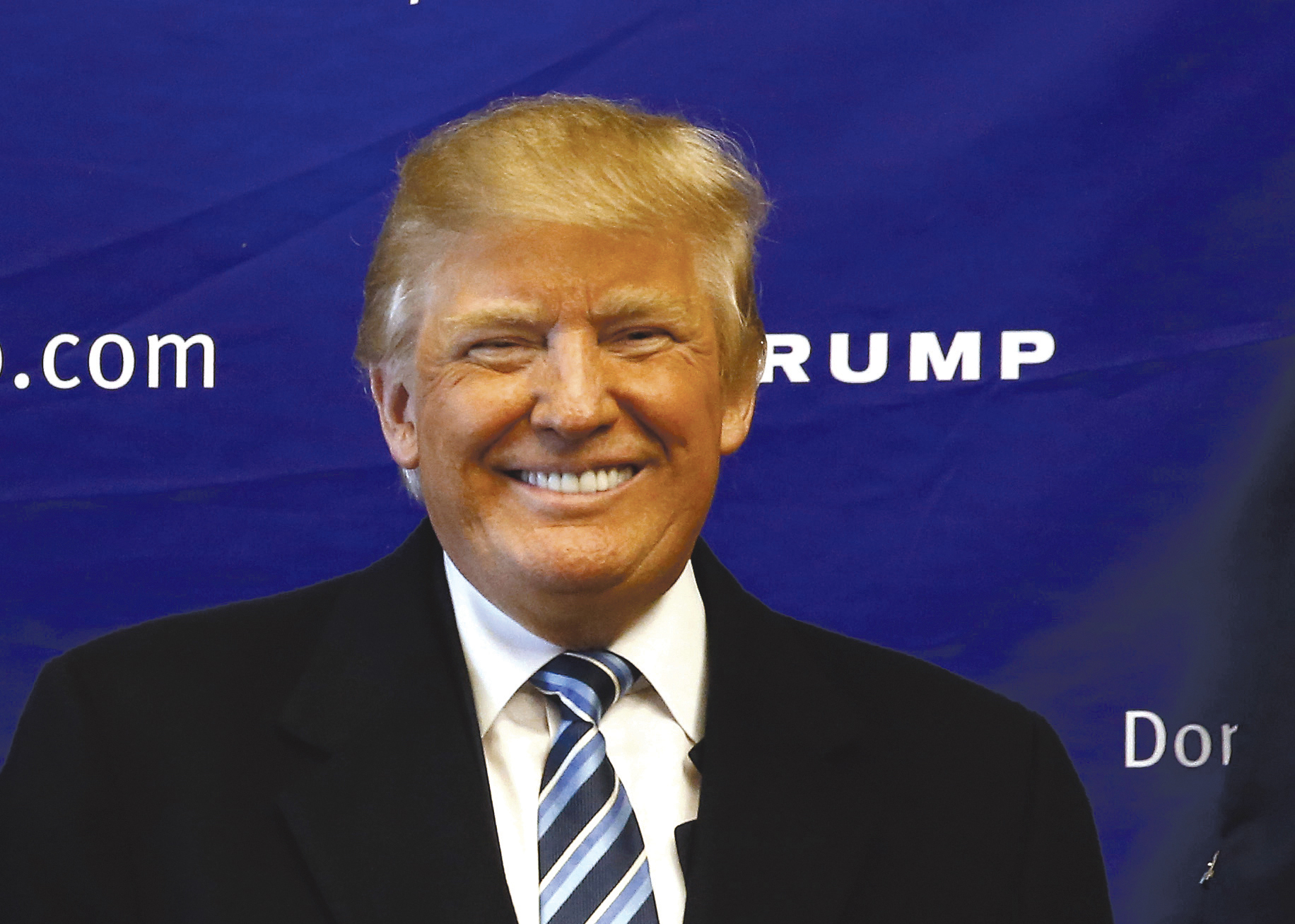
Now the hair of GOP presumptive nominee Donald Trump is being scrutinized. Vanity Fair devoted a slideshow to his hair, noting evidence of scalp-reduction surgery that he allegedly endured in 1989, according to ex-wife Ivanka’s divorce filing. Outside, where wind might be blowing, Trump often wears a baseball cap.