
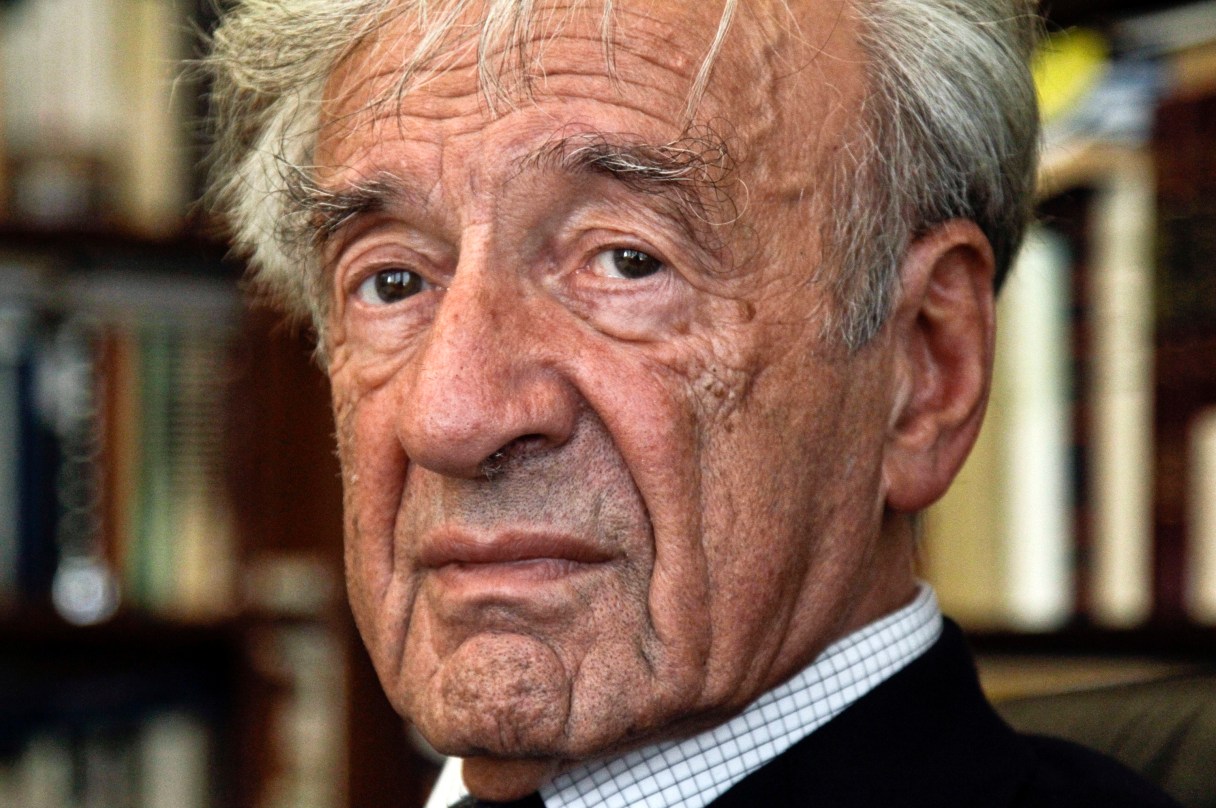
JERUSALEM (AP) – Elie Wiesel never lived in Israel, but on Sunday the country mourned the death of the esteemed author and Nobel peace laureate as though it had lost a national icon.
A frequent visitor who was fluent in Hebrew, Wiesel was a confidant of prime ministers and a towering cultural figure so revered that two premiers considered nominating him to be the country’s ceremonial president.
His unwavering support for Israel proved divisive at times, with critics arguing that he ignored the suffering of the Palestinians and backed Israeli settlements. He also waded into last year’s debate over the nuclear deal with Iran, attending an address by Prime Minister Benjamin Netanyahu to the U.S. Congress that angered the White House.
As perhaps the world’s most famous Holocaust survivor, Wiesel was championed by Israeli leaders as a symbol of the Jewish people’s journey from the depths of despair to the redemption of having a land of their own. His enduring legacy of “Never Again” mirrored the psyche of a nation built on the ashes of the Nazi genocide of 6 million Jews and facing constant strife in the Middle East.
“Your voice will continue to be heard. It is ingrained in our nation,” eulogized Shimon Peres, the former president and a fellow Nobel peace laureate. “Our people have known darkness and terrible danger, but also amazing rebirth. This is what allows us to continue on.”