

Barring coordinated action by national and state governments, the U.S. will face an estimated shortage of physicians, ranging from 50,000 to 120,000, by 2030. The shortage will involve both primary-care physicians (family practitioners, internists, pediatricians and obstetrician-gynecologists) and other specialists. The shortfall needs to be addressed now because medical training is expensive and requires 10 or more years to complete. Associated costs will be substantial. A detailed 2018 update by the American Association of Medical Colleges addresses this issue.
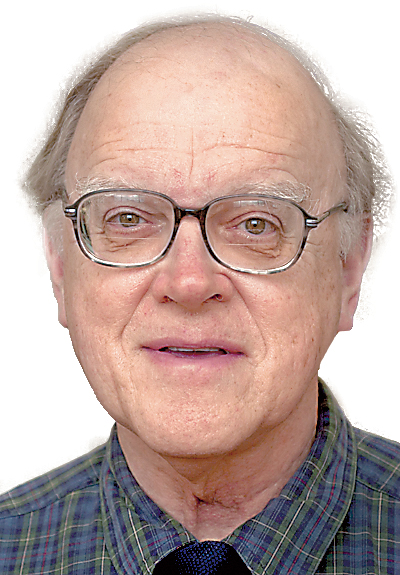 Dr. Clif Cleaveland
Under one projection, medical school enrollment needs to be increased by 3,000 students annually to overcome the shortage. Post-graduate training slots – residency and fellowship training – would have to be increased by a like number to meet the needs of the new graduates. Costs of additional training facilities along with increased faculty would require hefty, new expenditures.
The projected shortage will be driven by several factors, including an aging population, worsening health habits, expansion of care to underserved populations, earlier retirement and shorter hours by current physicians and physician burnout.
The overall U.S. population will increase from 325 million to 360 million during this interval. The population of Americans 65 and older will increase by 65 percent, while the ranks of those 18 and younger will increase by a mere 3 percent. An aging population will require more complex and sustained medical care. Think of joint replacements, heart procedures, cancer therapy and needs for long-term care.
Poor health habits pose another challenge. Increasing rates of obesity will lead to larger numbers of people suffering from diabetes, high blood pressure, cardiovascular and neurovascular disease. Tobacco use along with alcohol and drug abuse show no signs of abating. An expanding, sicker population will require more caregivers for acute and chronic disorders.