
WASHINGTON (AP) – The White House on Tuesday threatened to veto the first piece of legislation introduced in the Republican-controlled Senate, a bill approving the much-delayed Keystone XL oil pipeline, in what was expected to the first in many confrontations over energy and environmental policy.
Hours after supporters of the bipartisan bill, sponsored by all 54 Republicans and six Democrats, announced its introduction, the White House said for the first time that President Barack Obama would veto it.
White House press secretary Josh Earnest said Tuesday he does not expect Obama would sign any Keystone legislation that reaches his desk. He said legislation should not undermine a “well-established” review process being run by the State Department or circumvent a lawsuit still pending in Nebraska over the pipeline’s route.
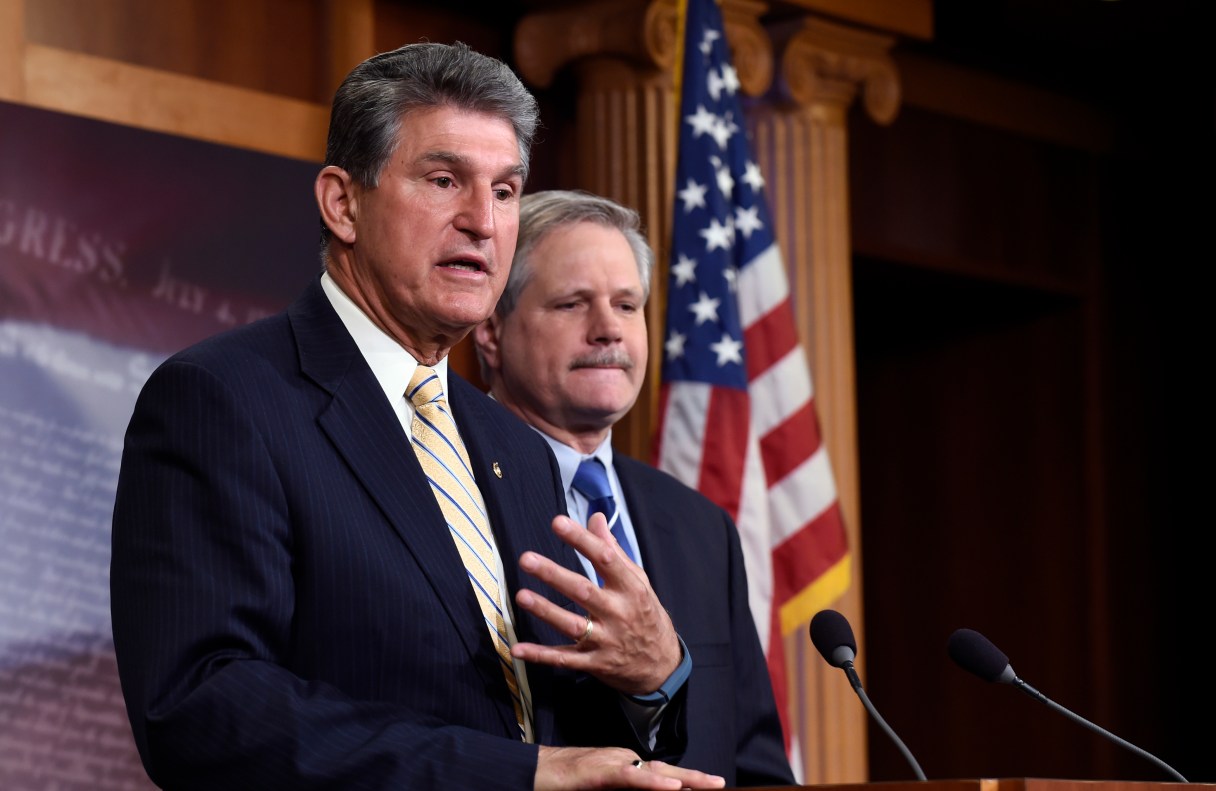
The two main sponsors, Sen. Joe Manchin, D-W.Va., and Sen. John Hoeven, R-N.D., said Tuesday morning they had enough votes to overcome a filibuster of the bill but not a presidential veto. The House is expected to vote and pass a bill approving the $5.4 billion project, which was first proposed in 2008, on Friday.
“The Congress on a bipartisan basis is saying we are approving this project,” said Hoeven, the chief Republican sponsor. He said if the president chooses to veto the bill, he would work to attach it to a broader energy package or must-pass spending bills.