
WASHINGTON (AP) – The Federal Reserve has taken a wait-and-see stance since raising interest rates from record lows in December – waiting and seeing whether the U.S. economic picture warrants another rate hike.
After ending its latest policy meeting Wednesday, the Fed is widely expected to wait further. For how long, no one knows.
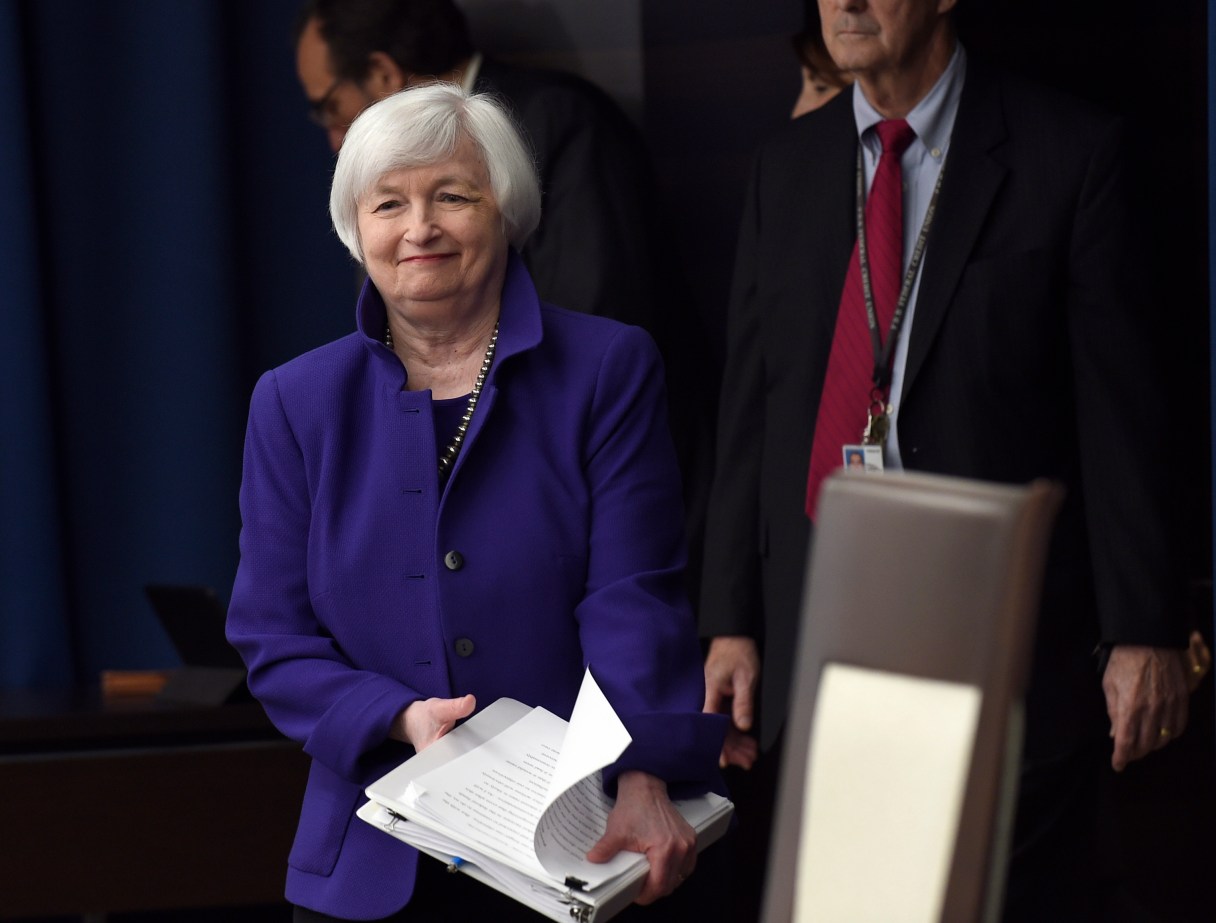
But investors will have more information to parse once the Fed issues a statement when its meeting ends and updates its economic forecasts and Chair Janet Yellen holds a news conference. The Fed’s characterization of the U.S. and global economies and financial markets could provide clues to the timing and pace of future rate hikes.
In December, the Fed raised its benchmark short-term rate for the first time in nearly a decade – from near zero to a range of 0.25 percent to 0.5 percent. The increase signaled that Yellen and her colleagues felt the U.S. economy had finally strengthened enough 6½ years after the Great Recession ended to withstand higher loan rates.
But in the ensuing weeks, stocks and oil prices tumbled and China struggled to manage a sharp slowdown. Now, with stocks having regained most of their losses and with the U.S. job market improving and major overseas economies still-weak but stable, the Fed may be inching closer to raising rates again.