
Friday, November 13, 2026Nov 13

Indonesia’s new president faces tough early tests

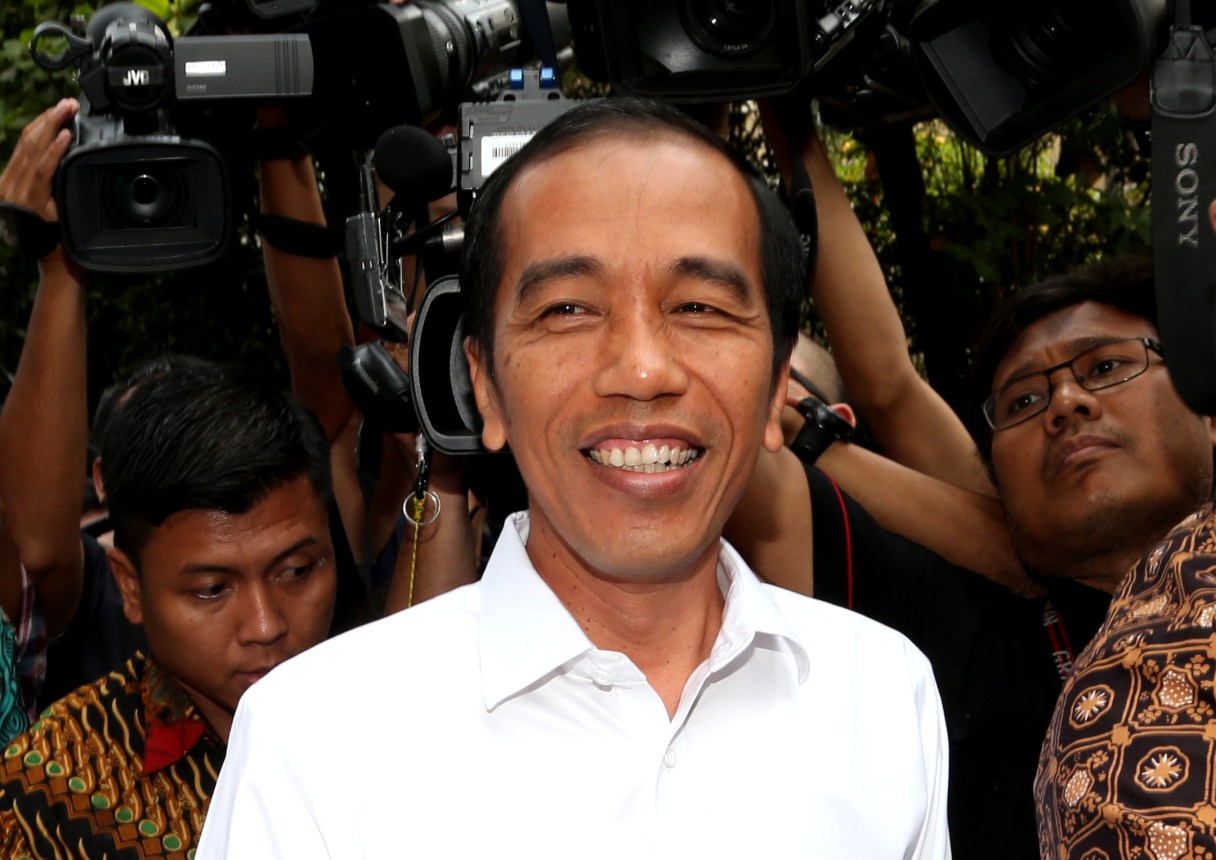
In this Oct. 17, 2014 photo, Indonesian President-elect Joko Widodo is mobbed by the media after his meeting with defeated candidate Prabowo Subianto in Jakarta, Indonesia. Widodo, popularly known as 'Jokowi', will be inaugurated as the country's new president on Oct. 20 and will have to quickly take steps to tackle major challenges, rebooting a slowing economy in a nation of 250 million where inequality is rising, a looming decision on raising fuel prices and also finding a way to work with a powerful and well-funded opposition that could block his moves. (AP Photo/Tatan Syuflana)
In this Oct. 17, 2014 photo, Indonesian President-elect Joko Widodo is mobbed by the media after his meeting with defeated candidate Prabowo Subianto in Jakarta, Indonesia. Widodo, popularly known as 'Jokowi', will be inaugurated as the country's new president on Oct. 20 and will have to quickly take steps to tackle major challenges, rebooting a slowing economy in a nation of 250 million where inequality is rising, a looming decision on raising fuel prices and also finding a way to work with a powerful and well-funded opposition that could block his moves. (AP Photo/Tatan Syuflana) In this Oct. 17, 2014 photo, Indonesian President-elect Joko Widodo is mobbed by the media after his meeting with defeated candidate Prabowo Subianto in Jakarta, Indonesia. Widodo, popularly known as 'Jokowi', will be inaugurated as the country's new president on Oct. 20 and will have to quickly take steps to tackle major challenges, rebooting a slowing economy in a nation of 250 million where inequality is rising, a looming decision on raising fuel prices and also finding a way to work with a powerful and well-funded opposition that could block his moves. (AP Photo/Tatan Syuflana)

JAKARTA, Indonesia (AP) – Rebooting a slowing economy in a nation of 250 million where inequality is rising, a looming decision on raising fuel prices and vulnerability to any U.S. interest rate hikes would be enough to tax any incoming president.

But Indonesia’s Joko “Jokowi” Widodo, who takes office Monday, must also find a way to work with a powerful and well-funded opposition that could block moves to address the challenges holding back the country’s rise as an emerging market powerhouse.

At least eight heads of state and U.S. Secretary of State John Kerry will attend the inauguration, a sign of Indonesia’s regional and international clout. After years of dictatorship, the country was convulsed by unrest in the late 1990s and turned to democracy amid the upheaval of the Asian financial crisis. It is the biggest economy in Southeast Asia and home to more Muslims than any other nation.

In a positive sign for the minority government that Jokowi will lead, the head of the opposition and losing presidential candidate Prabowo Subianto met with him Friday for the first time since the polls, finally conceding defeat and offering qualified support. Many analysts still fear that Subianto could play an obstructive role, but the meeting offered at least some hope that the rancor of the bitterly contested polls might be subsiding.

Jokowi is taking over from Susilo Bambang Yudhoyono, who has overseen consolidation of Indonesia’s young democracy and steady economic growth, albeit now at just over 5 percent, its slowest pace in five years. Slowing demand in China for Indonesia’s natural resources has dulled exports. High interest rates to rein in a yawning current account deficit have also taken the steam out of the economy.