
Monday, November 16, 2026Nov 16

NY investigates mortgage firm’s $86 million sale

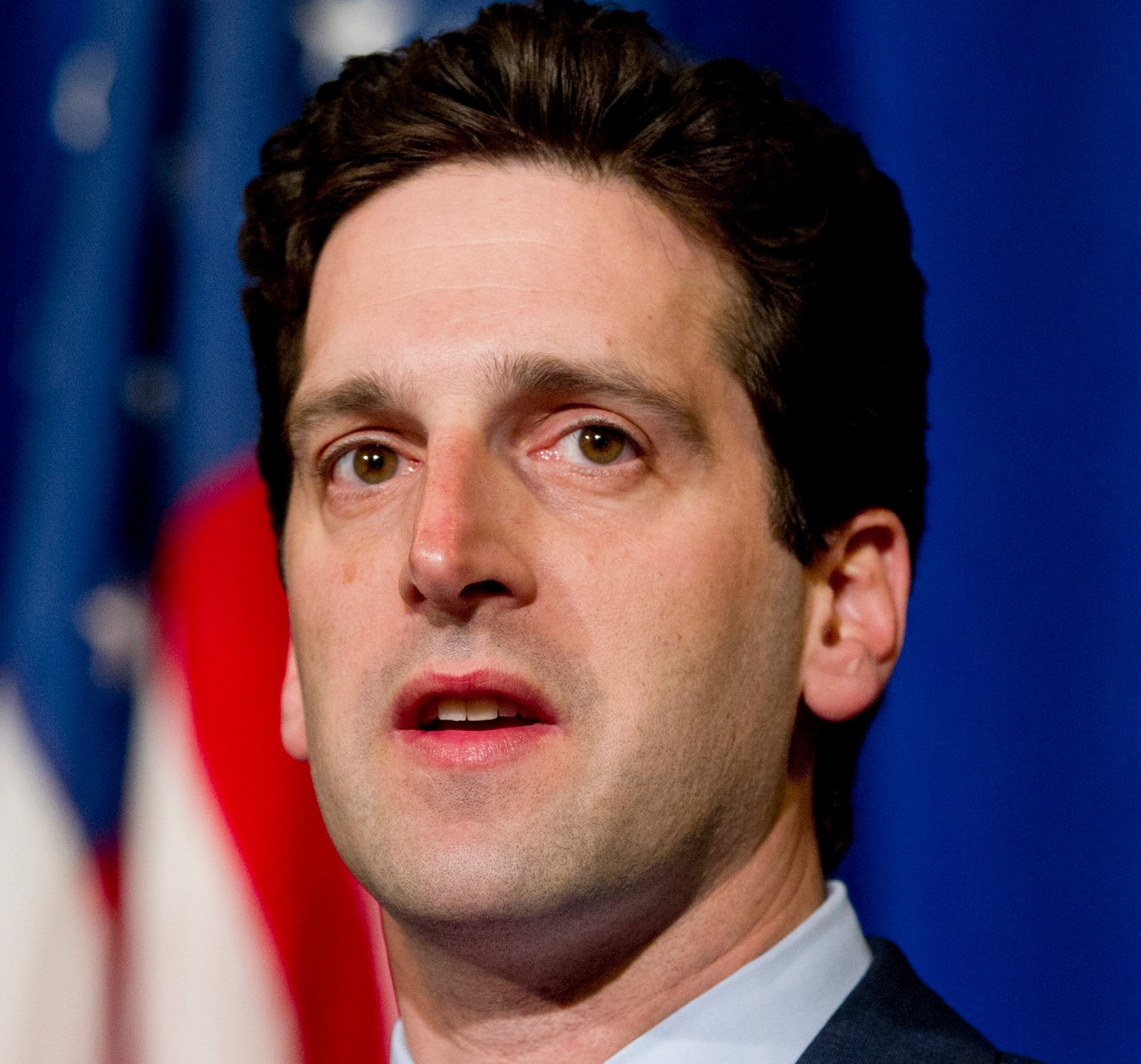
FILE - This march 7, 2012 file photo shows New York Financial Superintendent Benjamin Lawsky speaks in Albany, N.Y. New York’s top financial regulator is investigating whether the nation’s largest overseer of troubled mortgages, Ocwen Financial Corp., is overcharging struggling homeowners on insurance. In a letter Monday, New York Financial Superintendent Benjamin Lawsky said Ocwen created complex business arrangements to funnel as much as $65 million to Altisource Portfolio Solutions S.A., a company led by former Ocwen executives, and partially owned by Ocwen’s executive chairman, William Erbey.  (AP Photo/Mike Groll, File)
FILE - This march 7, 2012 file photo shows New York Financial Superintendent Benjamin Lawsky speaks in Albany, N.Y. New York’s top financial regulator is investigating whether the nation’s largest overseer of troubled mortgages, Ocwen Financial Corp., is overcharging struggling homeowners on insurance. In a letter Monday, New York Financial Superintendent Benjamin Lawsky said Ocwen created complex business arrangements to funnel as much as $65 million to Altisource Portfolio Solutions S.A., a company led by former Ocwen executives, and partially owned by Ocwen’s executive chairman, William Erbey. (AP Photo/Mike Groll, File)

WASHINGTON (AP) – New York’s top financial regulator is investigating whether the nation’s largest overseer of troubled mortgages, Ocwen Financial Corp., is overcharging struggling homeowners on insurance.

In a letter Monday, New York Financial Superintendent Benjamin Lawsky said Ocwen created complex business arrangements to funnel as much as $65 million to Altisource Portfolio Solutions S.A. That company is led by former Ocwen executives and is partially owned by Ocwen’s executive chairman, William Erbey.

Lawsky said the extra expense of policies imposed by Ocwen “can push already struggling families over the foreclosure cliff.”

The Associated Press reported last week that some mortgage companies appeared to be selling or had sold nearly nonexistent insurance subsidiaries to skirt new federal rules banning commission payments from subsidiaries.