
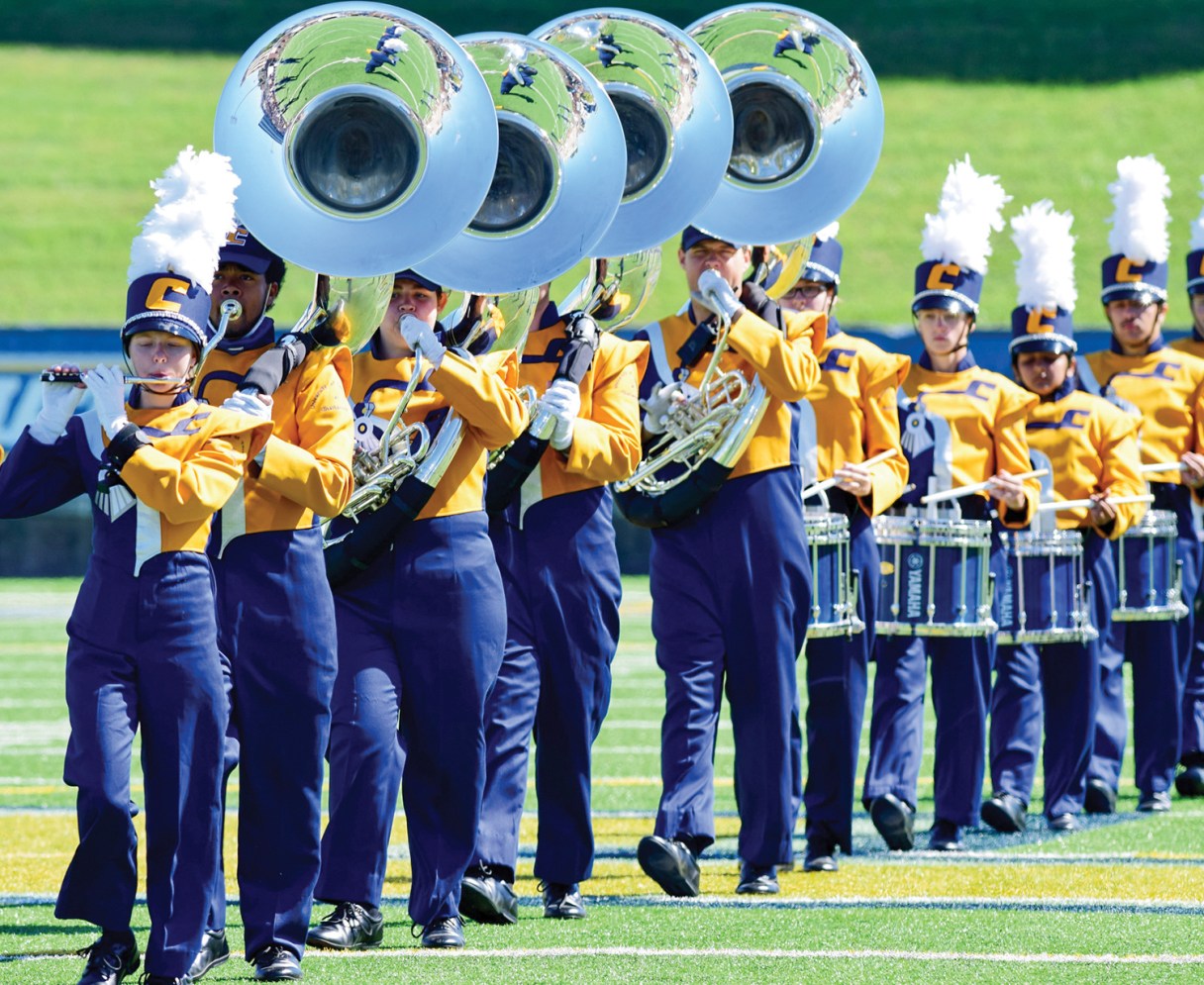
Before superstars like Michael Jackson, Usher, Madonna, Prince and others headlined the Super Bowl halftime show, it was college marching bands who entertained the nation during professional football’s biggest game. Beginning with the first Super Bowl in 1967, marching bands were the stars of halftime, but as the years went on, their prominence in the performances waned. But all is not lost.
Around the country, you’ll find that college marching bands are still upholding a legacy of spirit and spectacle, and here in the Scenic City, there’s no better example of this than the University of Tennessee at Chattanooga’s Marching Mocs.
The Marching Mocs are just one of many ensembles housed within the university’s music department, but the marching band is often what the public sees first, according to the department’s Director of Bands Randall Coleman. Whereas a choral ensemble or concert band may have a couple performances during the semester, the marching band can have perhaps a dozen and has to be performance-ready mere weeks into the start of the semester, Coleman says.
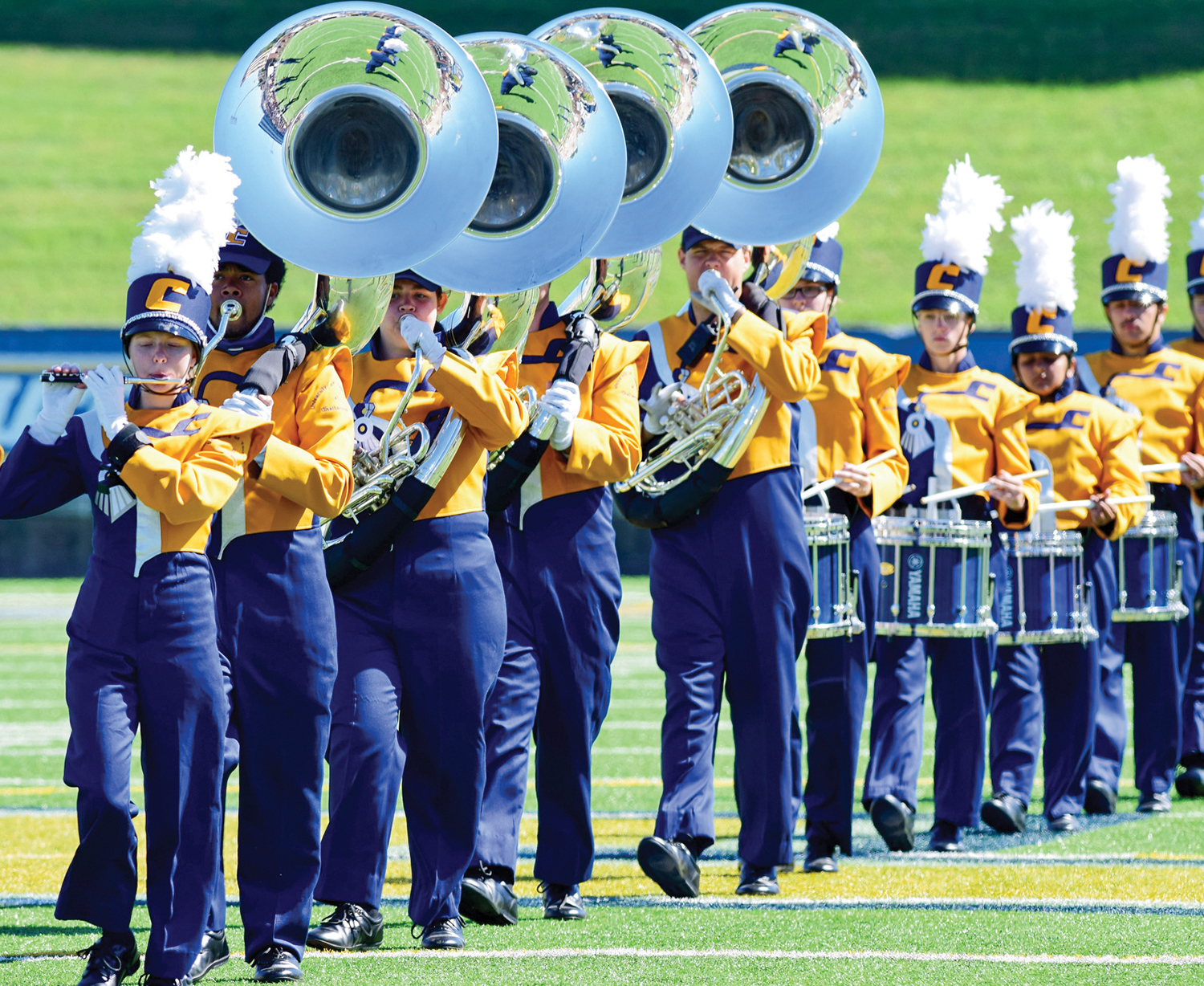
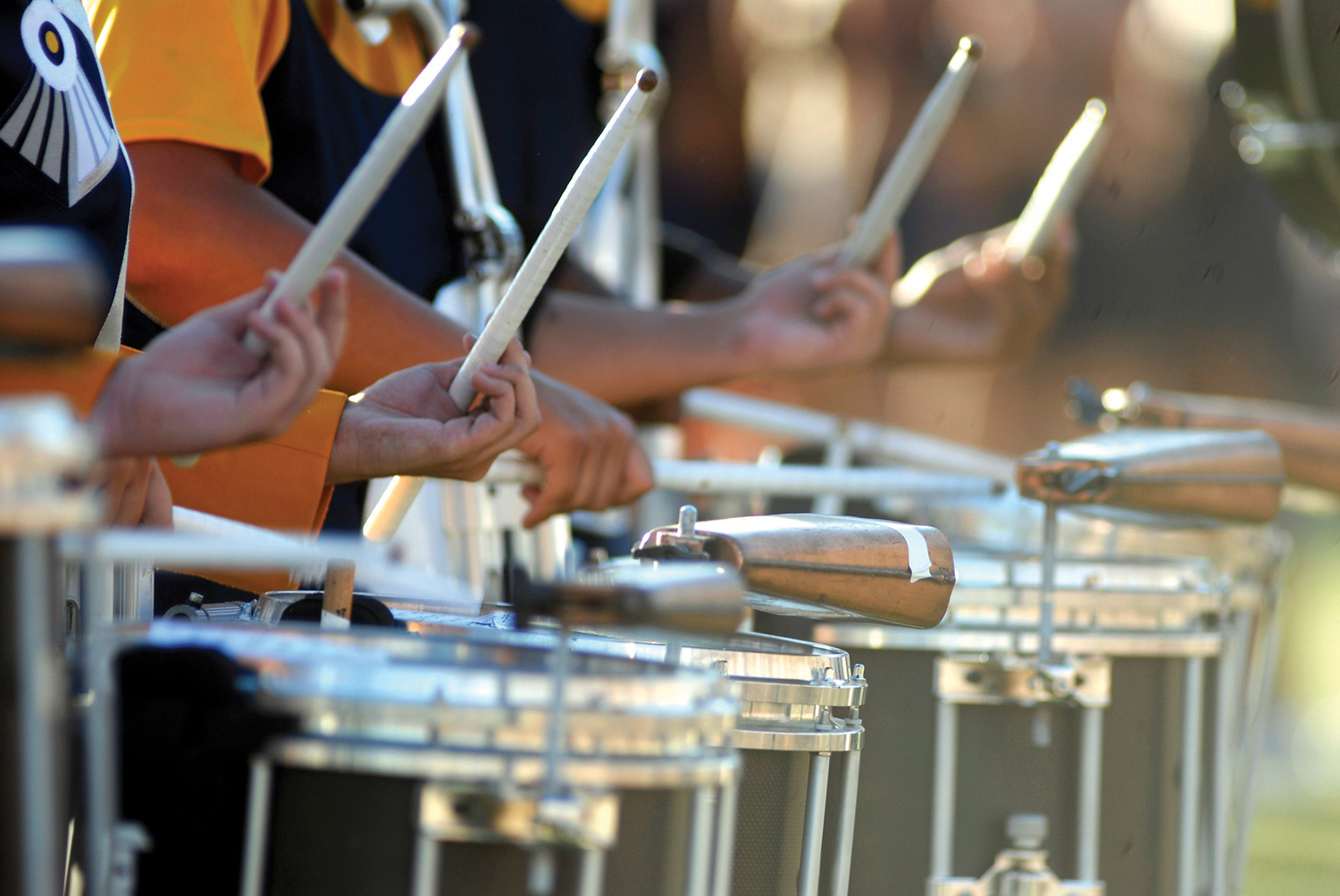
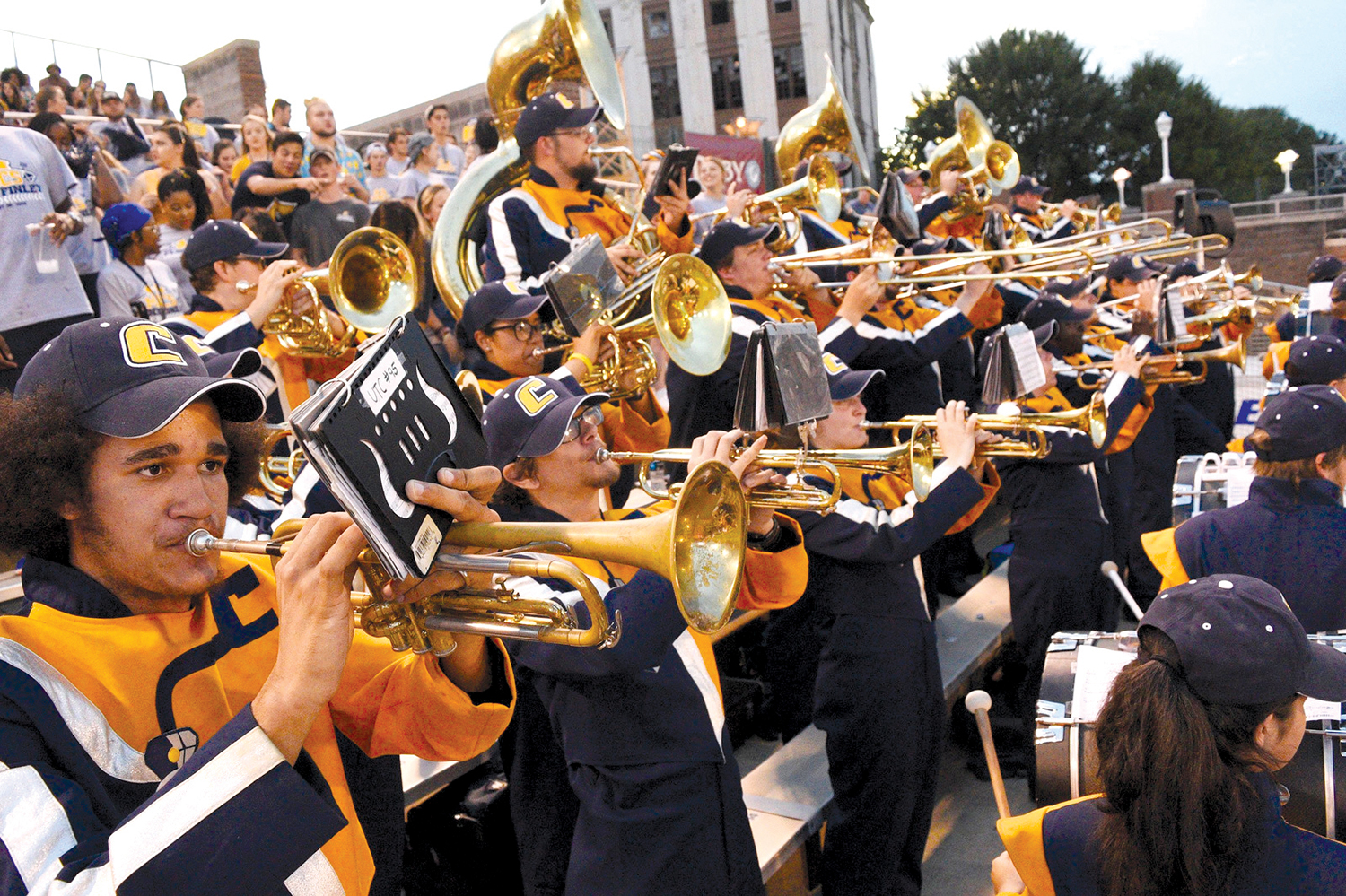
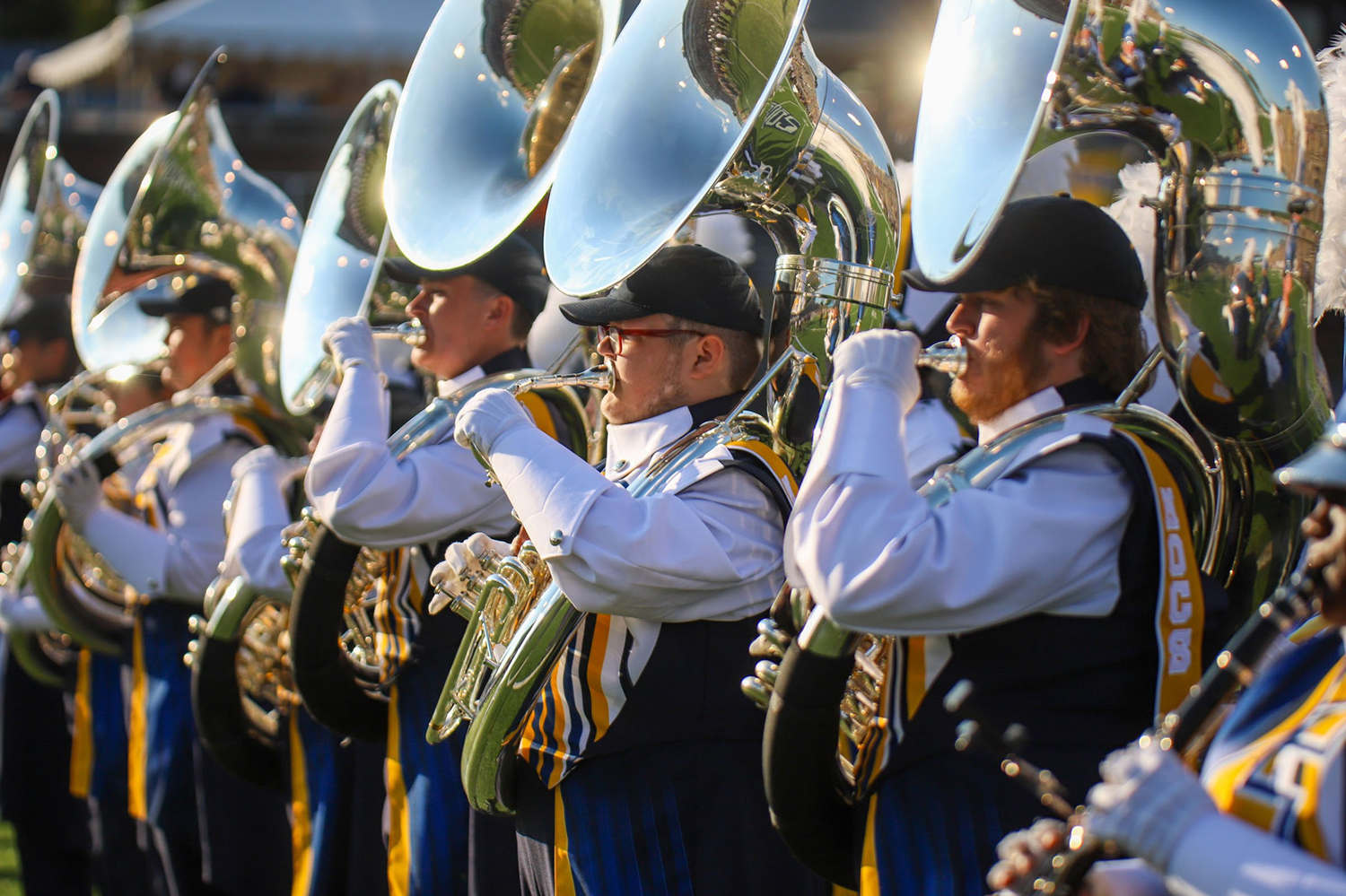
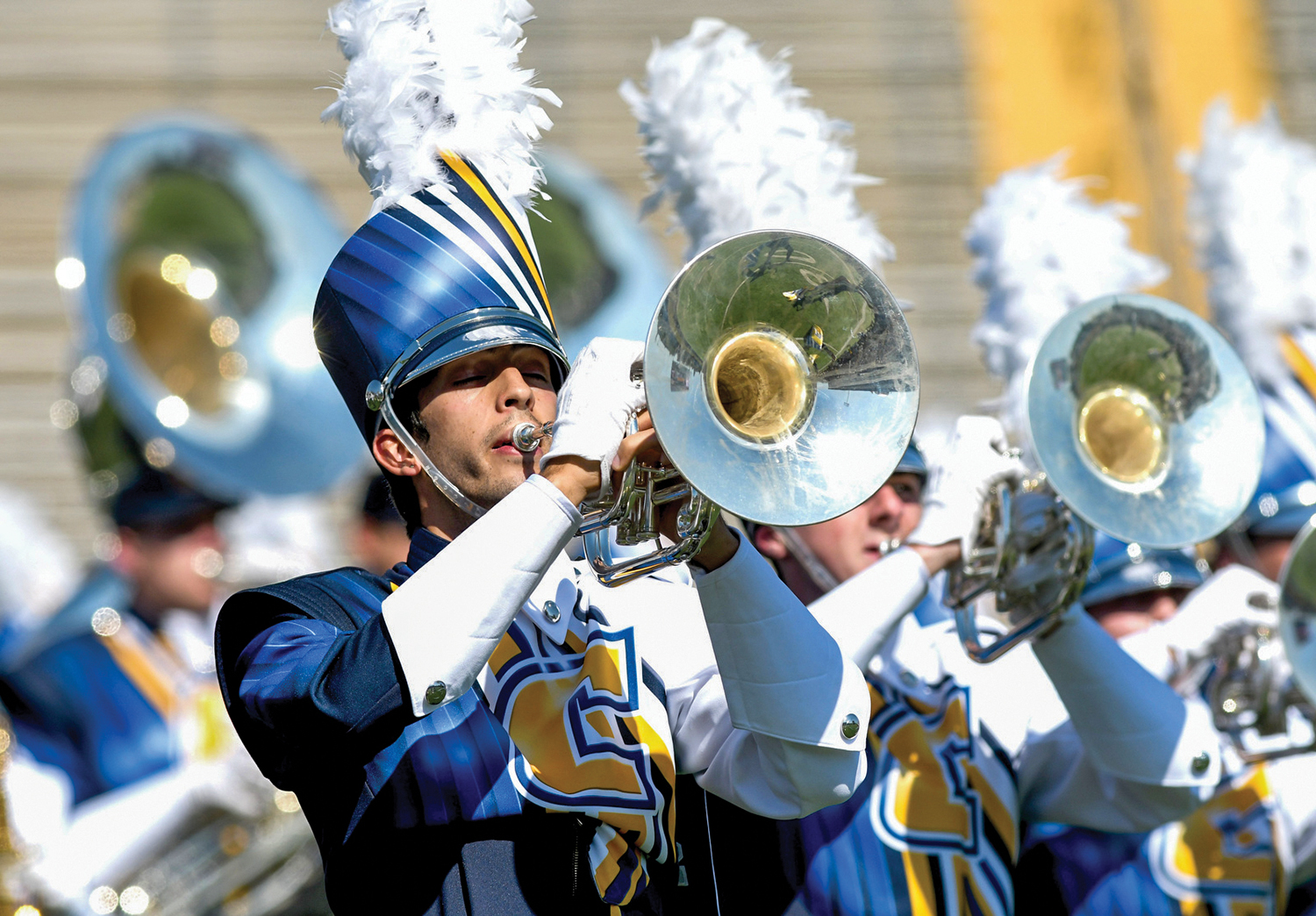
He explains that there are plenty of factors that go into creating a halftime show for the marching band. One factor is choosing music that will be “attractive to a lot of different age groups,” he says. Another thing to consider is what will be enjoyable and educational for students in the ensemble to play.
This year’s show, “Uncaged,” is bird-themed — how apropos for a university whose mascot is a mockingbird (Tennessee’s state bird, in fact) — and features such avian tunes as Nelly Furtado’s “I’m Like a Bird,” The Beatles’ “Blackbird” and Lynyrd Skynyrd’s “Free Bird.”
Having a live band, which plays not just at halftime but also for the pregame and in the stands during the game, generates energy and excitement for the football team, Coleman says. Without that, the game-time experience wouldn’t be the same.
“I think one of the unique things about college athletics is the marching band part of it,” he says. “You don’t have that at professional football; you just have more of a DJ atmosphere … The fan base really likes that live music being there and being a part of that experience.”
Those outside of the music department judge the program based upon the health of the marching band, says Kenyon Wilson, head of music at UTC. Considering that the marching band’s membership has grown from 33 in 2021 to about 160 this year, it’s clear that the program is quite healthy. A rebuke of pandemic-era isolation perhaps has contributed to this health.
“[Incoming] freshmen hate [online classes] for the obvious reasons. They were robbed of a chunk of their high school [experience], and so as they come to university, they’re looking for that college experience,” Wilson says. “And what are your best memories from college? It’s not algebra at 7:30 in the morning; it’s the participation in the arts … University-wide, we’re seeing that is what the students are wanting.”
For Dylan Campbell, a rising junior, third-year Marching Moc and second-year drum major, the UTC marching band wasn’t always part of his college plans, despite participating in the activity from eighth grade through high school. However, a visit by Director of Bands Coleman to his high school convinced Campbell it was “the perfect time to join and hop on the train.”
To be in marching band is a commitment, but it is manageable along with other academic responsibilities, Campbell says. As an environmental science major with a minor in music performance, he says it’s possible to do other things while still having music in one’s life.
“I remember the sun was in my eyes,” Campbell says, recounting one of his first performances, a friends and family show, with the Marching Mocs. “It was like 7:00 at night, heat of the summer. We were in uniform — our brand new uniforms — for the first time. And when we got done, it felt awesome, and my family just couldn’t stop talking about how it was just more fun to be there compared to high school. It was just a different environment. The energy was there, and they were excited for me.”
Seeing over 100 people come together, wearing the same uniform, presenting the musical performances they’ve worked so hard on — all of that attracts people, Campbell says of the marching band.
So the next time you find yourself at Finley Stadium on game day, even if you came for football, tune in. You may just become one of the many who are marching to the beat.
For a schedule of Marching Mocs performances, visit the “Ensembles” page at utc.edu/music.