
Monday, November 16, 2026Nov 16

Same-sex couples updating legal status after abortion ruling

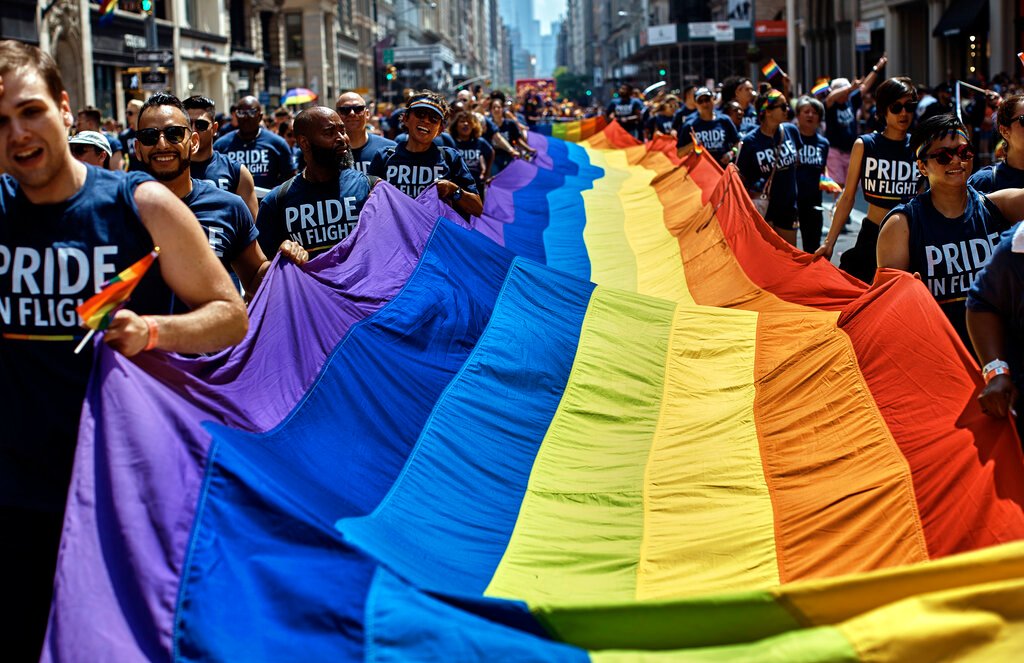
Reveler carry a LTBGQ flag along Fifth Avenue during the New York City Pride Parade on Sunday, June 24, 2018, in New York. Parades celebrating LGBTQ pride kick off in some of America's biggest cities Sunday amid new fears about the potential erosion of freedoms won through decades of activism. The annual marches in New York, San Francisco, Chicago and elsewhere take place just two days after one conservative justice on the Supreme Court signaled, in a ruling on abortion, that the court should reconsider the right to same-sex marriage recognized in 2015. (AP Photo/Andres Kudacki, File)

BIRMINGHAM, Ala. (AP) – Emails and phone calls from same-sex couples, worried about the legal status of their marriages and keeping their children, flooded attorney Sydney Duncan’s office within hours of the Supreme Court’s decision eliminating the constitutional right to abortion.

The ruling last week didn’t directly affect the 2015 decision that paved the way for same-sex marriage. But, Duncan said, it was still a warning shot for families headed by same-sex parents who fear their rights could evaporate like those of people seeking to end a pregnancy.

“That has a lot of people scared and, I think, rightfully so,” said Duncan, who specializes in representing members of the LGBTQ community at the Magic City Legal Center in Birmingham.

Overturning a nearly 50-year-old precedent, the Supreme Court ruled in a Mississippi case that abortion wasn’t protected by the Constitution, a decision likely to lead to bans in about half the states. Justice Samuel Alito said the ruling involved only the medical procedure, writing: “Nothing in this opinion should be understood to cast doubt on precedents that do not concern abortion.”

But conservative Justice Clarence Thomas called on his colleagues to reconsider cases that allowed same-sex marriage, gay sex and contraception.