
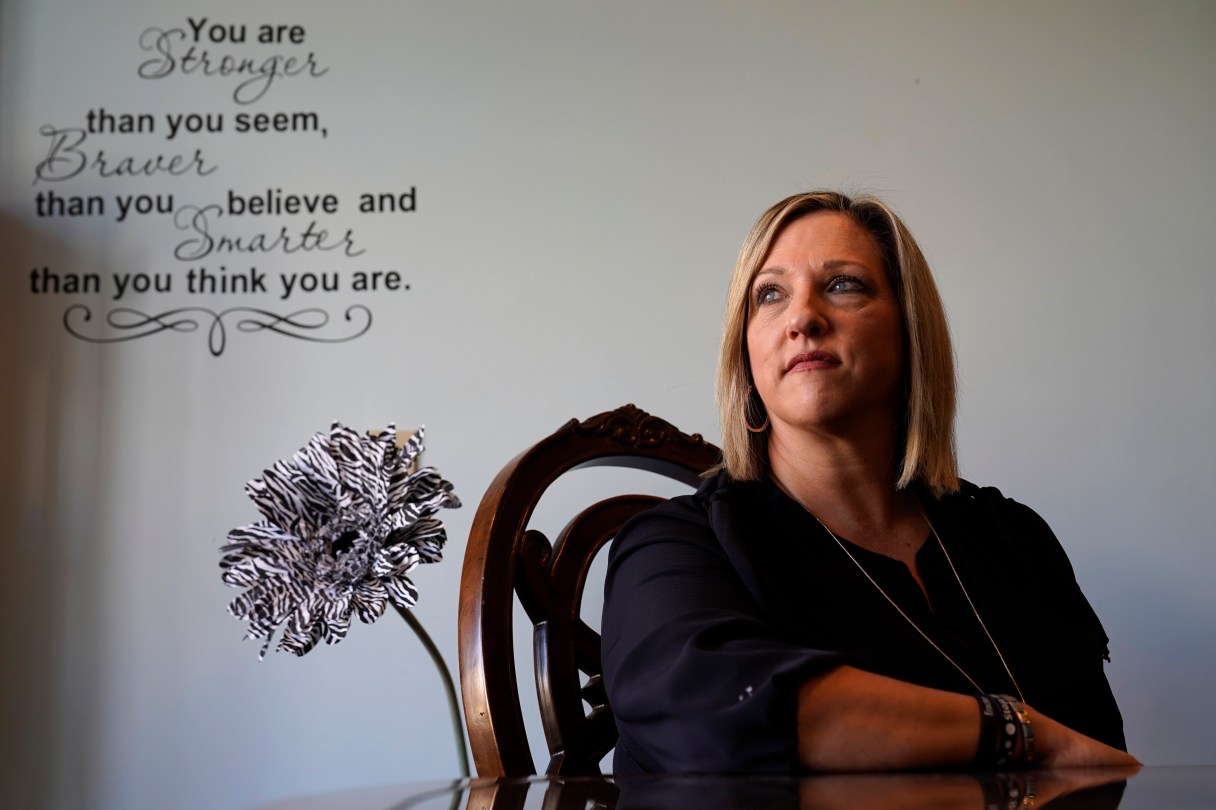
PROVIDENCE, R.I. (AP) – It should have been a time of celebration: Brittan Heller would soon graduate from college and head to one of the nation’s top law programs.
But when a classmate with unrequited feelings for Heller wasn’t admitted to that same school, he turned his rage on her. He wrote a manifesto titled “A Stupid B—h to Attend Yale Law School” and posted it on a site popular with anonymous trolls. The man urged them to do their worst.
Soon strangers were making derogatory, sexualized comments and posting her pictures online. They made threats. Posted her personal information. At one point, FBI agents escorted Heller to class for her protection.
“People say, ‘Oh, just log off. Don’t read it. Turn off the computer,'” said Heller, who turned her personal experience from 15 years ago into a legal specialty as a leading expert on online harassment. “This the 21st century, and people have a right to use the internet for work, for pleasure or to express themselves. Telling people not to read the comments is no longer enough. We don’t talk enough about this problem, and we need to.”
Online harassment has become such a familiar part of the internet that it can be hard to imagine the web without it. From teen cyberbullying to authoritarian governments silencing dissent, online toxicity is a fact of life for everyone, with women, teens and religious and racial minorities the most likely to be targeted.