
MEXICO CITY (AP) – Burnt-out vehicles. Road blockades. A raging gun battle between armored marines and gang members that left eight dead.
Such scenes have been common in border cities like Reynosa and Nuevo Laredo during Mexico’s decade-old drug war, but residents of the capital were stunned this week to see that kind of mayhem in their own city, long considered something of an oasis from the violence wreaking havoc elsewhere.
Together with the recent emergence in a working class neighborhood of an apparent group of “vigilantes,” styled after self-defense militias that rose up against a drug cartel in the western state of Michoacan, Mexico City authorities have been left scrambling to maintain their long-held claims that there are no drug cartels operating in the capital.
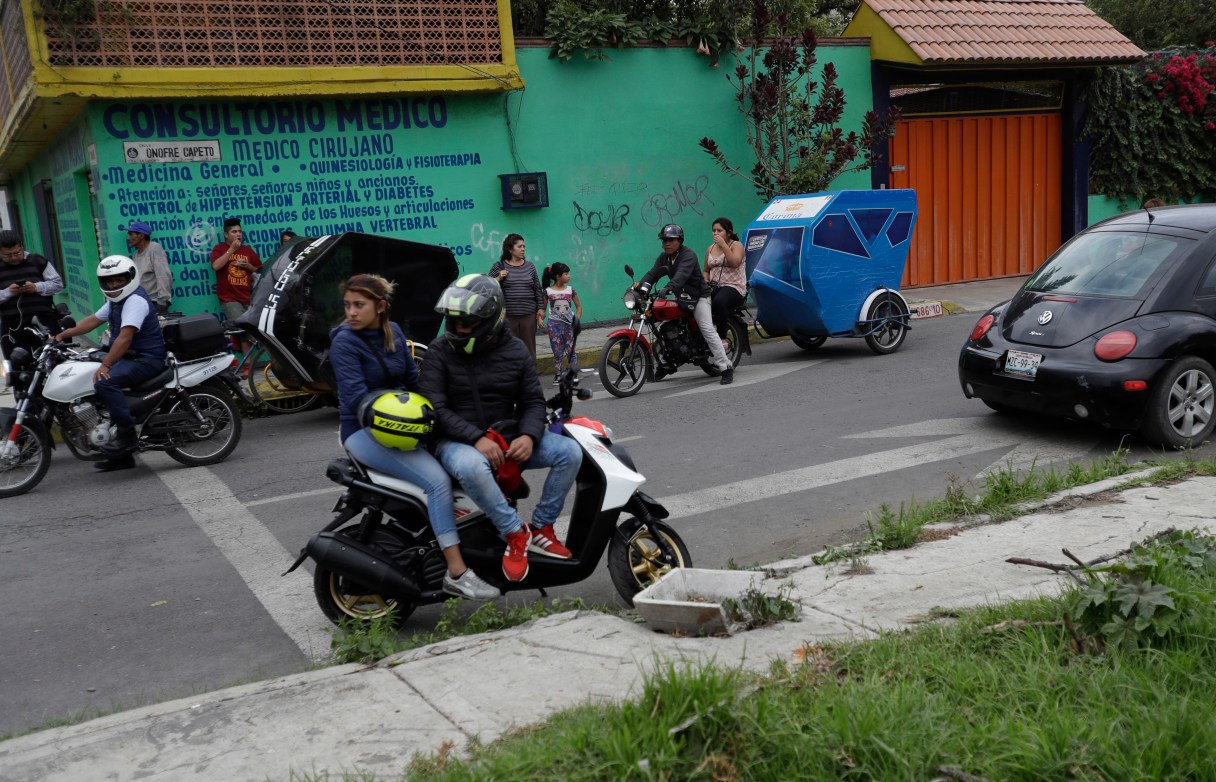
Thursday’s shootout saw some 1,300 police and marines deployed on the streets of Tlahuac, a poor borough on the southeastern outskirts that was a rural area until a few years ago. Photos from the scene showed the slain suspects were carrying assault rifles instead of the pistols usually used in most armed crimes in Mexico City.
Perhaps most shocking was the appearance of organized roadblocks put up by gang members or sympathizers to impede the movements of police. City officials said gang members hijacked about five buses or trucks, and video images showed teams of motorcyclists parking their vehicles to shut down an expressway and then setting fire to a bus after the passengers fled.