
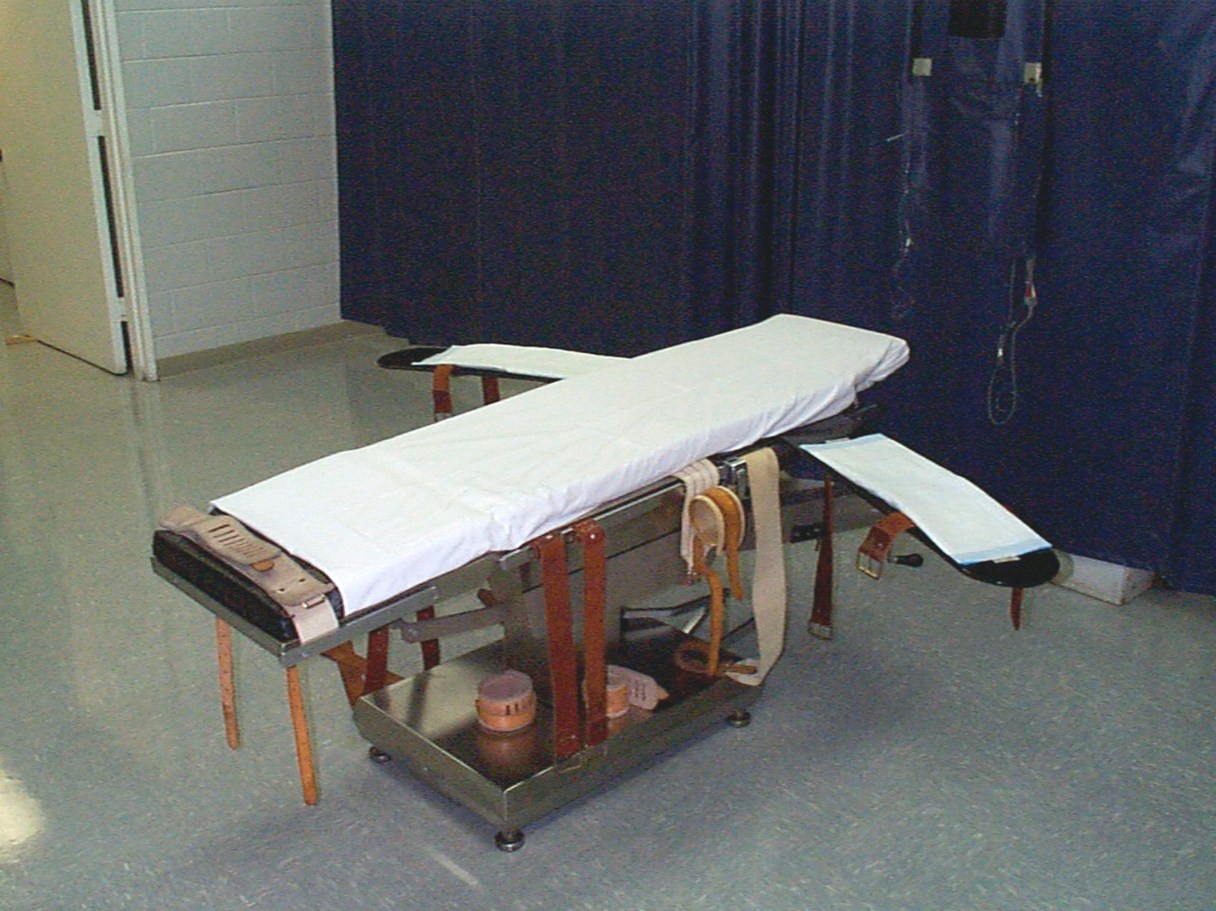
RICHMOND, Va. (AP) – Only a few months ago, the condemned men on Virginia’s death row left their tiny cells just three days a week for showers, and an hour a day five days a week for recreation in a fenced outdoor cell. A sheet of glass separated them from family during visits.
Now, the seven men awaiting execution get an extra half-hour of recreation each day, and officials are building a new yard with a basketball court and exercise equipment. They can hang out with up to three other death row inmates for an hour daily, and the state is building a room where they can watch TV, make phone calls, play games and send emails. They can hug and hold hands with relatives when they visit.
“Those kinds of things are meaningful when so very little is granted to the inmates,” said Victor Glasberg, an attorney who represents several of the condemned men challenging Virginia’s restrictions, which for years effectively held the inmates in solitary confinement and were among the most stringent in the U.S.
Those policies were quietly overhauled recently after months of legal challenges, the first of which was filed by a man convicted of three murders who was executed Oct. 1. Alfredo Prieto first won more privileges when a federal judge agreed that Virginia can’t automatically place death row inmates in solitary confinement, but an appeals court later overturned that ruling.
The U.S. Supreme Court dismissed Prieto’s appeal this week, but another lawsuit filed by other death row inmates before the overhaul is still moving through the courts. They argued they were entitled to the same privileges as Prieto and said their isolation amounted to cruel and unusual punishment.