
BRUSSELS (AP) – Six countries in Europe’s document-free travel area now have wide-ranging border checks in place following Denmark’s decision on Monday to tighten controls on its southern border with Germany.
Denmark made the move after Sweden imposed ID checks for rail passengers traveling between the two. Others to reintroduce checks to cope with mass flows of migrants are Austria, Germany and Norway, which is not a European Union member. France has them in place due to the attacks in Paris.
The security measures have raised doubts about the future of free movement within the 26 nations that make up the Schengen area – named after the Luxembourg town where it was set up in 1985.
WHY THE NEED FOR ROUTINE BORDER CHECKS?
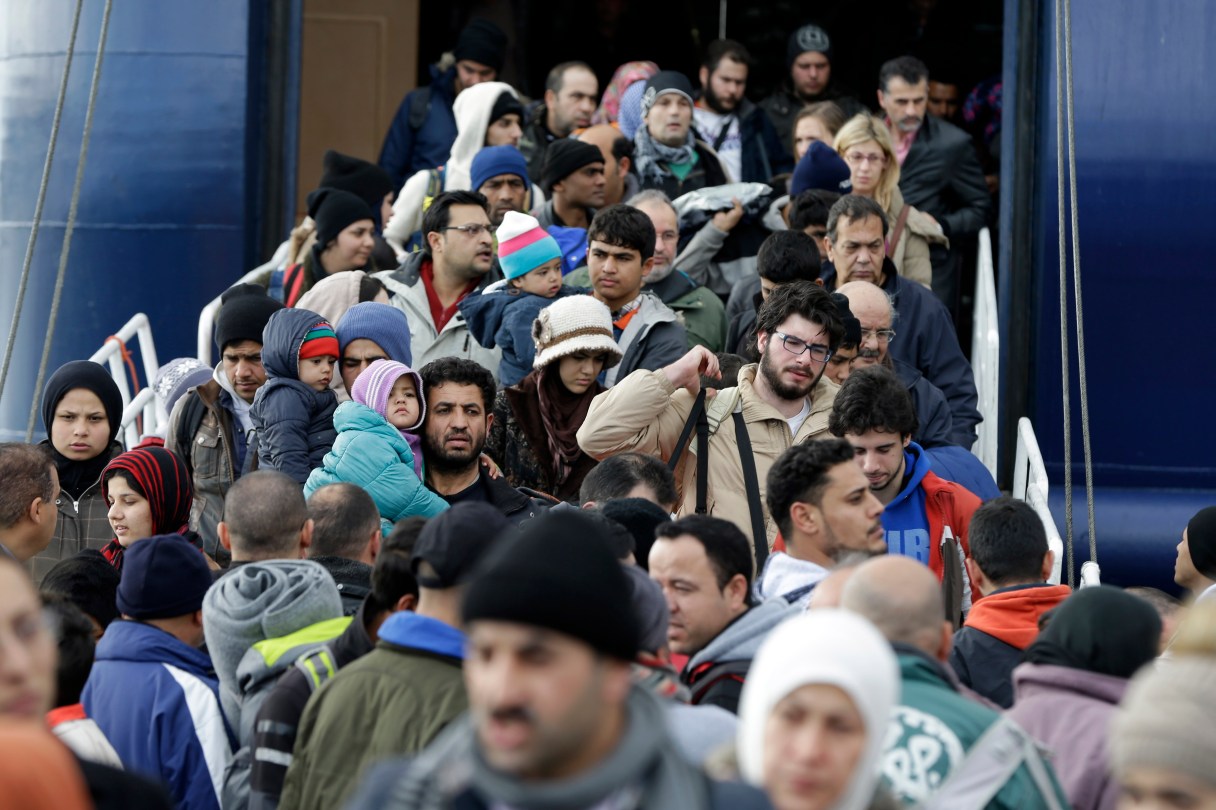
The EU estimates that more than 1.5 million people crossed Schengen area borders in an “irregular” way last year. The arrival of hundreds of thousands of people in Greece and Italy totally overwhelmed their border authorities, leaving many free to try to move further north to preferred destinations like Germany and Sweden. As those nations feel the pressure, they have sometimes tightened their southern borders, creating a domino-like effect back down the line.