
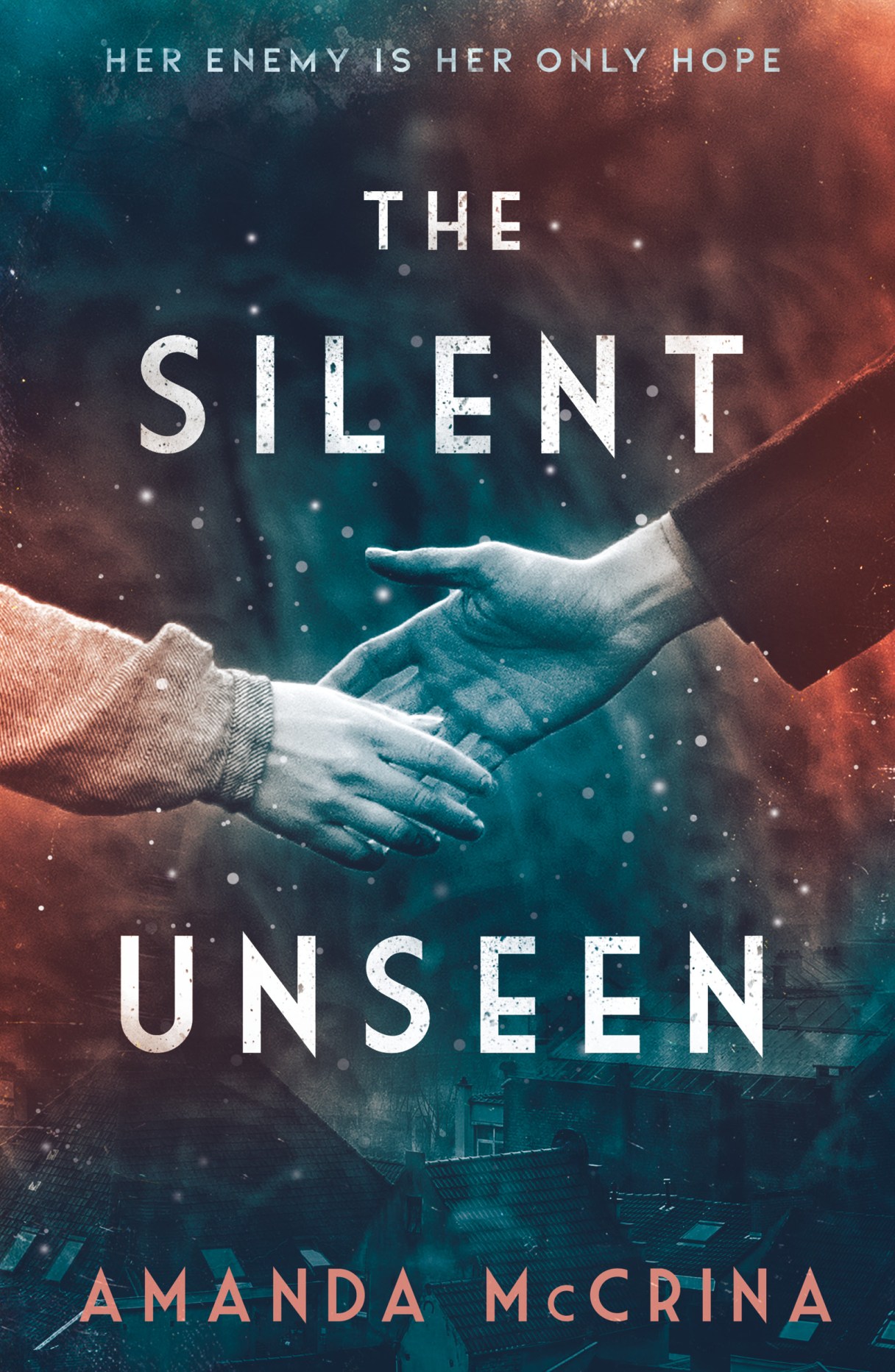
“THE SILENT UNSEEN” by Amanda McCrina (Farrar, Straus and Giroux, 320 pages, $19).
Franklin, Tennessee, writer Amanda McCrina’s “The Silent Unseen” grew out of the research for her previous World War II novel, “Traitor,” and a burning question it inspired. In an author’s note for the new book, she writes, “After ‘liberation,’ what happened to the millions of Eastern Europeans – many of them children, some as young as 10 – who were taken by the Germans for use as a massive slave labor force in German factories and on German farms?” McCrina set out to find the answer.
“The Silent Unseen” takes place in late July 1944. By that time, the war in Europe has been raging for nearly five years. According to the historical note at the front of the book, “German forces are being pushed back on both fronts. Britain and the United States have gained a foothold in France. The Soviet Red Army, with the help of the Polish Resistance, is advancing through Poland.” The Germans retreat west, and the Soviets consolidate power in Poland by disarming and arresting Polish Resistance soldiers while also beginning a brutal campaign on the Ukrainian Insurgent Army, known by the Ukrainian acronym UPA.
The novel centers on two main characters: Maria, who is Polish, and Kostya, who is Ukrainian.
Maria Kaminska spent two and a half years as an Ostarbeiter, a slave worker forced to perform labor for Germany in Rüsselsheim. Now, she is making her way home to Bród, Poland, to find her parents and her brother Tomek. She has no proof that anyone in her family is still alive, nor does she know if Bród still exists as it once did, but she has nowhere else to go and she has to know what happened.