
Friday, November 13, 2026Nov 13

Project aims to mark dozens of American slave trade ports

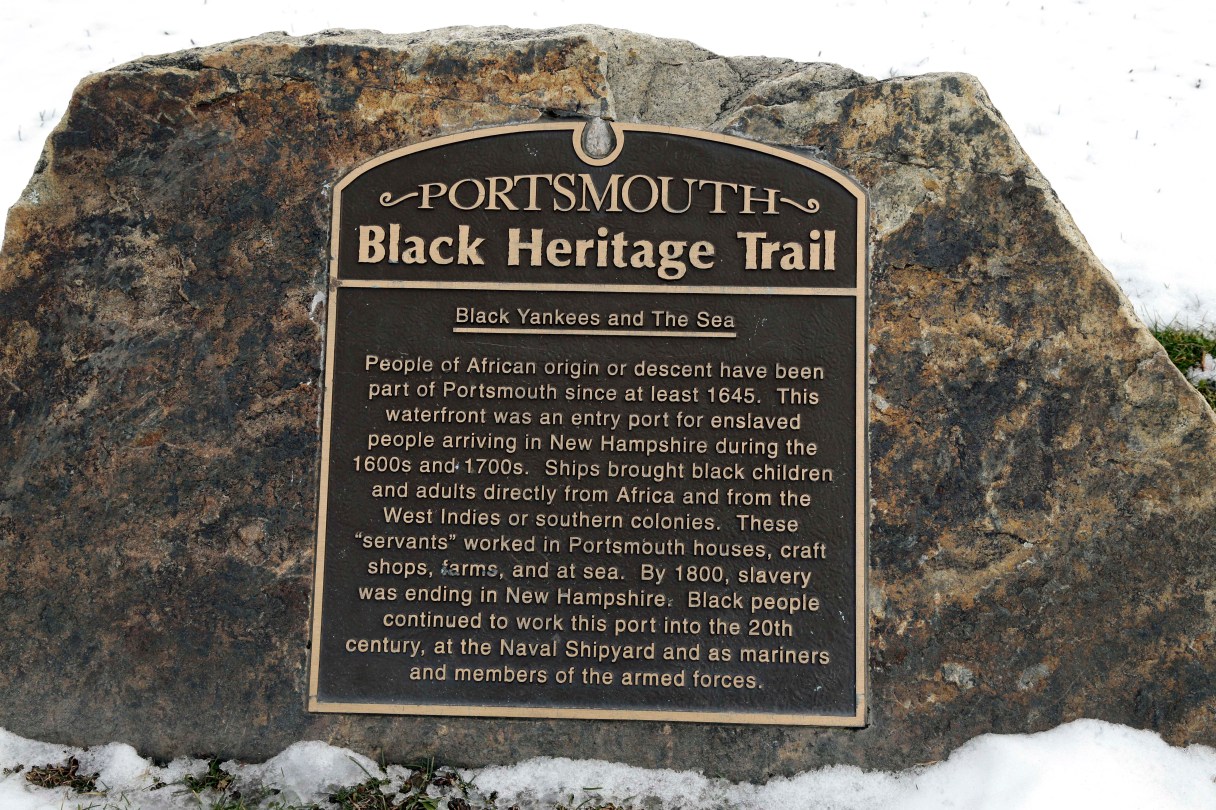
In this Tuesday, Jan. 26, 2016 photo, a slavery port marker sits along the shore in Portsmouth, N.H.,  identifying a port where slaves arrived or where ships were sent to be used in the trade. A project aimed at bringing the little-known history of some of America’s most prolific slave-trade ports to the public is moving to its next target: Rhode Island, where some 1,000 slave-trading voyages were launched. (AP Photo/Elise Amendola)
In this Tuesday, Jan. 26, 2016 photo, a slavery port marker sits along the shore in Portsmouth, N.H., identifying a port where slaves arrived or where ships were sent to be used in the trade. A project aimed at bringing the little-known history of some of America’s most prolific slave-trade ports to the public is moving to its next target: Rhode Island, where some 1,000 slave-trading voyages were launched. (AP Photo/Elise Amendola) In this Tuesday, Jan. 26, 2016 photo, a slavery port marker sits along the shore in Portsmouth, N.H., identifying a port where slaves arrived or where ships were sent to be used in the trade. A project aimed at bringing the little-known history of some of America’s most prolific slave-trade ports to the public is moving to its next target: Rhode Island, where some 1,000 slave-trading voyages were launched. (AP Photo/Elise Amendola)

PROVIDENCE, R.I. (AP) – A project aimed at memorializing America’s slave-trade ports is moving to Rhode Island, where some 1,000 slave-trading voyages were launched.

The Middle Passage Ceremonies and Port Markers Project has been working to place markers at 40 ports along the Atlantic and Gulf coasts where slaves arrived or where ships were sent to be used in the trade. The Middle Passage refers to the forced migration across the Atlantic Ocean of more than 10 million Africans, many of whom died on the way.

“We’re just simply saying mark the place where it began,” said Ann Chinn, who founded the Middle Passage project. “In the same way, people marked Plymouth, they marked Jamestown, they marked St. Augustine. Well, in each of those places, Africans were there too.”

The project is rolling out as places around the country have been coming to grips with their roles in the slave trade, including the North, where the region’s history of fighting against slavery is more widely known than its less noble roots of trading and profiting from slavery.

It uses the Voyages Trans-Atlantic Slave Trade Database at Emory University and other historical records to identify ports where slaves arrived or those that sent off ships used in the slave trade. Then, it works with local historical groups, churches and others to gain support to erect markers that note a city’s role in the slave trade.